
Wools of New Zealand Calls for India FTA to Boost Farmer Returns
Wools of New Zealand is joining calls for New Zealand to urgently ratify a Free Trade Agreement with India.




 increase font size
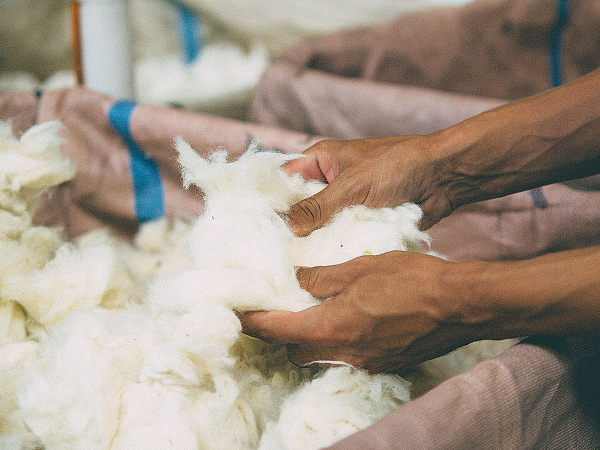 Demand for wool carpets is on the rise, say retailers.
Wools of New Zealand (WNZ) is reporting more demand for wool carpets.
The wool company says in the past year there has been a 50% rise - 350 tonnes - in local wool sales through its retailers - resulting in higher demand and higher prices for strong wool.
Last year, WNZ partnered with FlooringXtra and other independent retailers to launch wool carpets to the NZ market.
"Wool-based flooring now accounts for a significant part of our sales revenue and we couldn't be happier," says FlooringXtra chief executive Tony TeAu. "In the last six months, we have seen consumers consistently walking into our stores asking specifically for carpets made from wool."
TeAu told Rural News that his company's wool carpet sales had increased by 50% in the past 18 months.
Meanwhile, WNZ chief executive John McWhirter says come May, it will be welcoming additional independent and retail chains to market wool carpets in NZ.
"The feedback from retailers we are getting is that consumers are seeking sustainable, renewable and biodegradable carpet made from wool grown right here in New Zealand. Wool's lower carbon footprint is increasingly in step with consumer expectations."
He adds that one of the key barriers to increasing sales of wool carpets in the past has been affordability. However, McWhirter claims that with WZ carpet priced competitively with synthetic carpets, New Zealanders now have a genuine choice between a synthetic product or a natural product direct from farmer-growers.
"Our goal is to grow the consumption of strong wool in the market by making wool carpet affordable to the majority of Kiwis," he says. "We can achieve this by utilising modern high volume manufacturing operations without impacting on quality."
Wools of New Zealand is joining calls for New Zealand to urgently ratify a Free Trade Agreement with India.
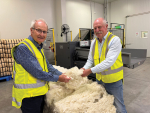
Keratin biomaterials company Keraplast and Wools of New Zealand have signed a new superpremium wool contract which is said to deliver a boost to wool growers.
Wool farmers are hoping that efforts by two leading companies to develop a more efficient supply chain would eventually boost farmgate returns.
Wools of New Zealand has signed a partnership agreement with a leading Chinese manufacturer as the company looks to further grow demand in China and globally.
Chinese textile company Saibosi has partnered with Wools of New Zealand to put the 'farm to floor' story of New Zealand wool rugs on screen for its customers.


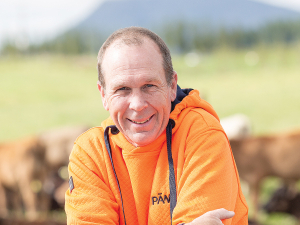
Pāmu has released its FY26 Integrated Annual Report, reporting a Net Operating Profit of $113 million, more than double the $49 million recorded in FY25.

Meat Industry Association data, released alongside the Red Meat Sector conference in Wellington, shows export value climbing across the US, China, UK and Canada.
Applications are set to open for the 2027 Zanda McDonald Award, a trans-Tasman award recognised for identifying and fast-tracking talented young leaders in agriculture and agribusiness.
The Royal New Zealand College of General Practitioners (the College) and Hauora Taiwhenua Rural Health Network are calling for investment in a proposed new training pathway for rural GPs, warning that many rural practices are struggling to recruit while a large share of the existing workforce nears retirement.
Federated Farmers has called on Central Otago District Council (CODC) to drop or vote down a plan to truck sludge from Alexandra and Cromwell to farmland near Lauder, warning it would compound an "outrageous" situation created by a separate council's decision weeks earlier.
Synlait has swung to second-half profit as operations stabilise, but the dairy processor still posted a $75.4m annual loss.




OPINION: The same mainstream media muppets that brought you Jacindamania in 2017 have been flat out pimping for the Opportunities…
OPINION: Your old mate reckons the atrocious way farmers in the UK are treated by their lords and masters in…




