Labour Supports NZ/India FTA
National's decision to ‘dribble’ information about the NZ/India to Labour contributed to the delay in it deciding to supported the FTA.




 increase font size
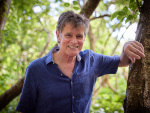
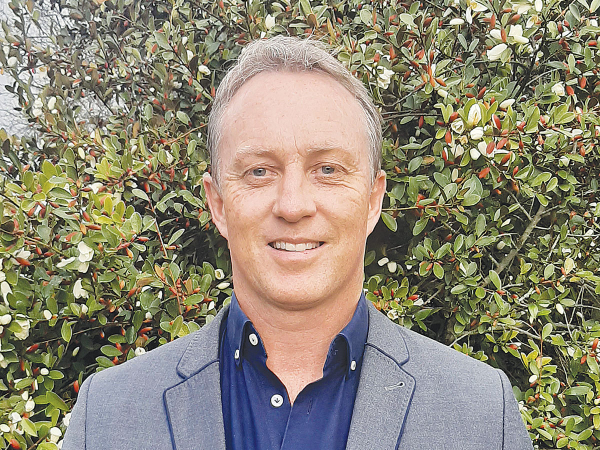 Tom O’Sullivan says rather than be complicit in decisions he was not comfortable with, he resigned.
A new strong wool industry body has run into trouble before it was even officially announced, with the resignation of a key board member.
On February 21, the Strong Wool Action Group (SWAG) and Minister of Agriculture Damien O'Connor officially announced the establishment of Wool Impact NZ, which is haughtily described as "a new industry model to drive growth for New Zealand's strong wool sector".
However, the new wool body's drive was instantly taken off road with the resignation on February 18 of one of its transition board members, Campaign for Wool New Zealand (CFWNZ) chair Tom O'Sullivan.
This is the latest upset in the NZ strong wool sector's long and troubled history. SWAG was somewhat controversially established in September 2020 with the support of O'Connor and significant government backing from the Ministry for Primary Industries' Sustainable Food and Fibre Futures fund. While its members came from across the wool sector and the group's aim was to accelerate value and create demand for New Zealand strong wool, it was always a volatile combination.
Although SWAG was disbanded at the end of 2021, it made the recommendation to establish Wool Impact NZ - based on feedback from interviews with industry participants, including New Zealand farmers, growers, manufacturers and exporters. The new wool body's task is to work alongside existing and new commercial partners "as a catalyst, establishing a wool fibre innovation incubator and accelerator programme to support start-up brands and new product initiatives through design, development and commercialisation".
Wool Impact NZ is due to officially launch in mid-2022 with a 'skills-based' board of up to six members - including an independent chair. Once established, it will move to being funded by the sheep-related industry, including meat companies and a variety of participants from within the strong wool value chain, and ultimately wool growers.
In the lead up to Wool Impact NZ's launch, an interim board, made up of Rob Hewett, John Rodwell (director of Landcare Research NZ) and David Ferrier (director of NZ Wool Scours) and O'Sullivan, was retained as the transition board tasked with appointing a board for the new wool industry organisation, and providing "strategic counsel to ensure Wool Impact NZ drives a unified voice for the strong wool sector".
However, O'Sullivan's resignation over issues about the setup of the new body's board has put the unified voice for the sector in jeopardy again.
"I am a huge proponent or an independent and transparent recruitment process for this new board," O'Sullivan stated in announcing his resignation.
"Unfortunately, I feel the process and candidate selection for Wool Impact does not go far enough to recruit for new ideas and independent thinking."
He says, rather than be complicit in decisions he was not comfortable with, he resigned.
"Resigning wasn't an easy decision, but I feel my efforts are better served focusing squarely on the Campaign for Wool NZ strategy as we look to roll it out into global markets."
O'Sullivan says he genuinely wishes the very best to the new Wool Impact board.
"I hope their appointments will support the delivery of better results for New Zealand wool. Our Campaign for Wool NZ trustees look forward to opening discussions with the new team in due course."
National's decision to ‘dribble’ information about the NZ/India to Labour contributed to the delay in it deciding to supported the FTA.
When it comes to international trade, politicians from all sides of the aisle are united, says Labour's trade spokesman Damien O'Connor.
Federated Farmers have reiterated their support for the coalition Government to abolish the present ban on the live export of animals.
As the coalition Government mulls new regulations to reinstate the export of live animals, debate is heating up between supporters and opponents.
OPINION: Your canine crusader was truly impressed by the almost unanimous support given by politicians of all stripes in Parliament to the recent passing of legislation for the NZ/EU free trade deal.


The primary sector is leading New Zealand's economic recovery, according to economist and researcher Cameron Bagrie.
Dairy industry leader Jim van der Poel didn't make much of the invitation he received to the recent New Zealand Dairy Industry Awards in Rotorua.
Farmers around the country are going public big time, demanding their local district, city and regional councils come up with amalgamation plans that meet the needs of rural communities and don't allow urban councils to dominate.
The battle for the rural vote is on and parties are securing high profile names to try and bolster their chances at the general election.
Horticulture New Zealand says proposed changes to the Plant Variety Rights Act 2022 will drive innovation, investment and long-term productivity.
More than 1200 exhibitors will showcase their products and services at next month’s National Fieldays, with sites nearly sold out.


OPINION: It's been an eye-opener watching the big media companies behaving exactly like the powers-that-be who the crusading hacks from…
OPINION: Town and country find themselves on the same page when it comes to anger over price hikes from NZ…