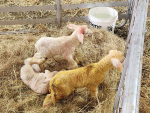
Beef + Lamb NZ's Lambing Kit Checklist for a Tough Season
With lambing underway in many regions, Beef + Lamb New Zealand is encouraging farmers to put together a wellequipped lambing kit to help minimise lamb losses, particularly in bad weather.




 increase font size
 Primary wool chair Janette Osborne.
The wool industry continues to face challenges with depressed wool prices for a third year in a row, says Primary Wool Cooperative chair Janette Osborne.
“Combined with increased shearing and associated costs this now means a net loss on wool for many farmers,” she says in the co-op’s annual report
“We are also seeing an overall gradual decline in total wool volumes with both lambs and ewes going to the works woolly and lower grade oddments including dags being used on farm for environmental work.”
Osborne told Rural News the wool industry is definitely at a low point after three years of low prices.
“A lot of strong wool farmers are getting close to giving up on wool - it has now moved to an expense item for many and will end up on a downhill spiral unless we keep pushing forward.”
She says what is needed is:
• Innovation (such as wool and hemp like NZ Yarn/CP Wool or wool deconstruction like Wool Research of NZ),
• Promotion of environmental and natural attributes,
• Educating the general public about wool,
• Encouraging and showing farmers how they can maximise the value of their wool – providing good quality pricing information and advice so they can make decisions on shearing cycles, timing and shed preparation.
She says they are getting some great feedback from shareholders from our monthly newsletters and have had some fantastic suggestions which they will incorporate into future plans.
Osborne says they took a strategic refocus last year.
The forward focus needs to be on collaboration, innovation, promotion, advocacy, and good governance.
Under collaboration shareholders want to see a broken industry work towards becoming whole.
Primary Wool Cooperative will work with other organisations both within and outside the wool industry. This collaboration may include strategic relationships with organisations like Wool Working Group, Campaign for Wool, Cooperatives NZ and the Sustainable Business Network.
In regards to innovation it will encourage, promote and partner with others to bring innovative ideas to life. Osborne says this includes, but is not limited to, unique and niche yarns being manufactured by NZ Yarns, wool/hemp products, wool interior design products.
Primary Wool Cooperative wants to be recognised as a proactive promoter of wool both inside and outside the wool industry.
“In an effort to avoid duplicating what others are doing and create the most effective promotion we will work to seek out promotion opportunities with existing promoters,” the cooperative says.
Under advocacy, Primary Wool Co-Operative says it offers growers a seat at the CP Wool table.
“We are a strong sheep farmer voice representing our members and representing farmer interests. We will advocate to the public.
“Primary Wool Co-Operative will be available for people when they want to talk to wool farmers. As a board, we take this representation seriously and work to represent with integrity and honesty.”
With lambing underway in many regions, Beef + Lamb New Zealand is encouraging farmers to put together a wellequipped lambing kit to help minimise lamb losses, particularly in bad weather.

New Zealand wool is reaching new heights as air filtration companies move away from synthetic products to biodegradable alternatives.
Will a stronger, more coordinated voice help rebuild confidence and improve returns in the wool sector?
OPINION: Confidence in the wool sector is rebounding as prices hit levels not seen in more than 15 years.
The recently signed free trade agreement with India is an invitation to strengthen relationships between the New Zealand and Indian strong wool industries, says Wool Impact chief executive Andy Caughey.


Federated Farmers has welcomed new rural policies released by ACT, saying they align closely with its own election priorities.

Rural Contractors NZ says proposed changes to land transport rules for agricultural vehicles are a welcome response by the Government to out of date regulations which have seen members hit with huge fines.
Alliance is calling for final applications for its 2027 Graduate Programme, with applications closing on Sunday 25 October.
Decades piloting planes has ensured vet and farmer David Hayes is focused on safety. So, after a serious accident while welding on farm, he is sharing his experience so others can learn from it.
Canterbury milk processor, Synlait Milk has confirmed Leon Fung as its chief executive officer.
OPINION: Making it easier to collect rainwater and use it to grow crops and livestock is a no brainer.

OPINION: The same mainstream media muppets that brought you Jacindamania in 2017 have been flat out pimping for the Opportunities…
OPINION: Your old mate reckons the atrocious way farmers in the UK are treated by their lords and masters in…




