A Bugger's Muddle
OPINION: Jacqueline Rowarth opined in Rural News, January 19, "Confusion abounds about agricultural greenhouse gases (GHGs) and misinformation is rife".




 increase font size
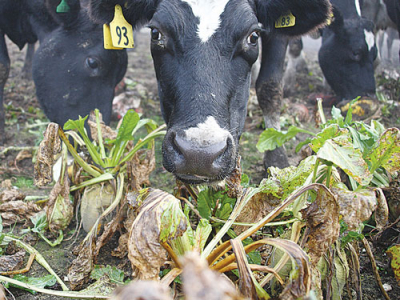 Fodder beet was a standout, although its impact on methane emissions was less dramatic and consistent.
Can changing what New Zealand livestock eat reduce the country’s emissions of methane and nitrous oxide?
Scientists are studying this as part of NZ’s aim to lower its greenhouse gas emissions to internationally agreed targets.
To help people understand the complexities in reducing agricultural greenhouse gas emissions, the farmer-supported Pastoral Greenhouse Gas Research Consortium (PGgRc) and NZ Agricultural Greenhouse Gas Research Centre (NZAGRC) have published fact sheets including one on low greenhouse gas emitting feeds.
Nearly 30 studies measuring methane emissions have been made of 17 different NZ feeds: pasture and various crops including brassicas, chicory, fodder beet, lucerne, maize and clovers.
Only two had noteworthy impacts on methane emissions. Brassica rape was the crop most rigorously tested. Compared to a traditional ryegrass/white clover pasture diet, a 100% brassica rape diet reduced emissions by an average of 30%.
Fodder beet was the other standout, although its impact on methane emissions was less dramatic and consistent. Trial results to date indicate it can reduce methane emissions by about 20%, but only when it makes up at least 70% of the diet.
A potential issue with brassica rape and fodder beet is the amount of nitrous oxide emissions created through urine leaching in NZ’s typically wet winter soil. More work is needed to see whether the decreases in methane emissions from these crops are sufficient to offset increases in nitrous oxide emissions.
Regardless, the research shows that large changes in diet are needed to effect much change in methane emissions from livestock.
The researchers conclude that there are no definitive, easy or dramatic ways to reduce emissions through diet alone.
Visit the PGgRC website to download a pdf of the fact sheet: http://www.pggrc.co.nz/
OPINION: Jacqueline Rowarth opined in Rural News, January 19, "Confusion abounds about agricultural greenhouse gases (GHGs) and misinformation is rife".

Farmers are happy to play their part in reducing greenhouse gas emissions but the Government has to come to the party.
Two new information sources to help farmers understand their agricultural greenhouse gas emissions are now available.
Climate change affects all of us and reducing greenhouse gas emissions must be a priority, writes Bala Tikkisetty.
New research indicates NZ’s sheep and beef greenhouse gas emissions have been overstated.


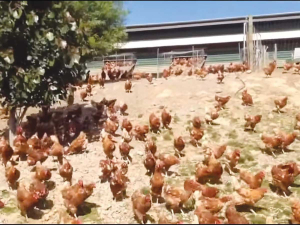
Mainland Poultry has confirmed new ownership of its vertically integrated agribusiness with Pacific Equity Partners Gateway (PEP Gateway) now joining current shareholders Navis.
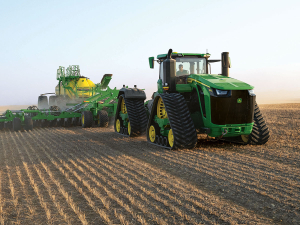
The recently published State of the Industry -Tractors and Machinery 2025 from the Australian Tractor and Machinery Association (TMA), the equivalent of New Zealand’s TAMA, gives an interesting perspective of the industry.
Strong competition and tightening supply have seen wool reach its highest prices paid at auction since 2011.
The Government is funding a feasibility study to investigate what would be required for a successful farmer-led purchase of the McCain Foods' vegetable processing site in Hastings.
A young man just five years out of his Lincoln University degree already has his foot in the door of farm ownership, as equity manager of a large new dairy conversion now taking shape in Mid- Canterbury.
Visitors to the LIC stand at this year’s Fieldays can expect practical farm conversations, specialist drop-in sessions and exclusive shareholder events.





OPINION: The old saying 'a new broom sweeps clean' doesn't always hold up, if you ask the Hound.
OPINION: This old mutt went to school to eat his lunch, but still knows the future of the country, and…