Cows’ misery portrayed
PETA is at it again. It has rolled out Carly the cow to US schoolchildren, telling them of the complex emotional lives of cows and their suffering at the hands of dairy farmers and the wider industry.




 increase font size

Three Gisborne residents have been sentenced in Gisborne District Court for wilfully ill-treating and neglecting horses and cattle in their care.
Rua, Teresa, and Matthew Brown had a range of sentences imposed on them including an order to de-stock their property within the next 14 days. If they fail to destock their property, the animals will be forfeited to the Crown. The Browns were also ordered to pay equal shares in veterinary costs totalling $2766.
Rua Brown was sentenced to three months community detention on each charge, and banned from owning or exercising control over horses, cattle, sheep or pigs for the next 10 years. Teresa Brown was sentenced to 250 hours community work and was banned from owning or exercising control over horses, cattle, sheep or pigs for 10 years.
Matthew Brown has previous convictions and has been disqualified from owning or exercising authority over farm animals for very similar offending on the same property. This was taken into account by Judge Aitken and he was sentenced to five months home detention and banned from owning or exercising control over horses, cattle, sheep or pigs for the next 15 years.
The Ministry for Primary Industries (MPI) laid a range of charges against the Browns under the Animal Welfare Act 1999 for the wilful ill-treatment and neglect of animals in their care.
An investigation into the Browns' farm ran from late June to late August 2009. Investigators found thin and starving cattle and horses, and no signs of adequate available feed or proper management of the animals.
The Brown family was given instructions on a number of occasions to provide adequate feed for the animals or de-stock to a more manageable number. These instructions were ignored which lead to seven of the 22 horses on the farm being humanely euthanised because of their poor body condition and the distressing state they were in.
MPI regional districts compliance manager, Ross Thurston says that it's disappointing when people don't take their animal welfare responsibilities seriously.
"Every farmer and farm worker has a duty of care to provide animals with the core basics — food, water, shelter where necessary, medical care, and freedom from pain and suffering. The humane treatment of animals is vital to animal husbandry," says Thurston.
Under the Animal Welfare Act 1999 the ill treatment of animals carries penalties of up to of six months' imprisonment and/or a maximum fine of $25,000. Disqualification from owning or exercising authority over animals is also a possible penalty.
"If you are struggling to take care of your animals, speak up. There are many people including your local farm representatives that can help and provide advice on managing your stock. Don't leave it to the last minute when things can become unmanageable and animals begin to suffer," says Thurston.
"Our animal welfare inspectors cannot be everywhere. The public, industry, and on-farm service providers also play a vital role to by reporting cases of animal ill-treatment."
MPI strongly encourages the public to report cases of animal ill-treatment to our Animal Welfare hotline – 0800 00 83 33. All calls are kept confidential.
PETA is at it again. It has rolled out Carly the cow to US schoolchildren, telling them of the complex emotional lives of cows and their suffering at the hands of dairy farmers and the wider industry.
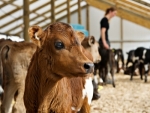
The eight organisations that formed a Bobby Calf Action Group at the end of 2015 are well advanced on a range of initiatives ensuring best practice handling and management of bobby calves.
The Ministry of Primary Industries has begun an advertising campaign encouraging people to let it know if they come across the mis-treatment of livestock.
FEDERATED FARMERS wants the Primary Production Select Committee to consider tweaking the Animal Welfare Amendment Bill so privacy laws don’t prevent getting help to suffering animals and farmers.
An Ashburton dairy herd manager has been convicted in the Ashburton District Court on serious animal welfare offences after the Ministry for Primary Industries (MPI) brought charges against him under the Animal Welfare Act 1999.
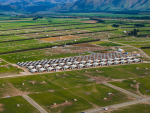

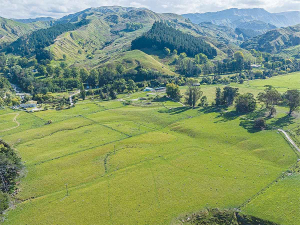
OPINION: Alistair Carmichael raises some interesting questions about striking a balance between profitability in farming and preserving the character of rural communities.
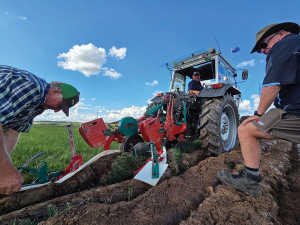
Ploughing champions Mark Dillon and Malcolm Taylor earned the right to represent the country at the World Ploughing Championships in Osijek, Croatia, on 5 and 6 September, after winning their titles at the New Zealand Ploughing Championships in Middlemarch in 2025.
The man appointed to lead Gallagher's global Animal Management business through the next stage of growth believes the wearables boom is here.
Horowhenua organic dairy farmers Ange and Wayne Moxham have taken their business to a new level.
Federated Farmers' new vice president Sandra Faulkner says the issue of adverse events emergency management and infrastructure needs to be taken out of the three-year political cycle.
Building a strong team is one of the biggest drivers of a successful sheep and beef business, but it can also be one of the tougher parts to get right.



OPINION: It really is getting harder to lampoon government bureaucrats when they do such a good job of it themselves.…
OPINION: After all the criticism that Winston Peters leveled at the India/NZ FTA, it seemed just a trifle ironic to…