
PGG Wrightson Revenue Tops $1.1b as Profit Jumps 46%
After delivering a strong financial year, rural trader PGG Wrightson says the coming months will depend on customer confidence and weather.




 increase font size
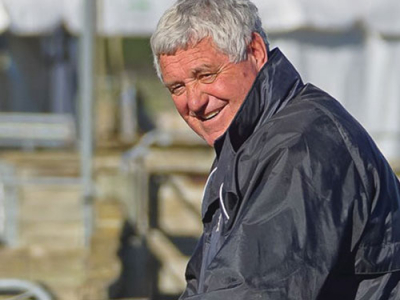 PWA managing director Peter Walsh.
Traceability is the big question for stock traders as the campaign to eradicate Mycoplasma bovis gears up, says PGG Wrightson general manager livestock, Peter Moore.
“It’s in early days, as far as the impact on trading is concerned, but I think we will see quite a change in New Zealand agriculture,” he says.
“One of the things we’ve seen already is buyers of stock asking a lot of questions about where stock have come from, what their history is.”
He says saleyards are already practising good hygiene, but the industry as a whole is still working though the controls to be put in place.
Moore says there had been no great change in the numbers of animals going though the saleyards, noting that infected herds under movement control go nowhere except straight to the works.
“But we’ve also continued to see spread of the disease around the country, or have done to date, so we can only rely on the information provided by our sellers that the farms are clear and the animals are clear.”
Moore says a change for PGG Wrightson is that all staff who go onto farms are being issued with hygiene kits to carry in their cars and are expected to clean their boots going on and off every farm.
“This is not a stock and station problem, this is an industry problem and we all need to work very closely together to eradicate this disease.”
Moore believes the whole industry supports eradication.
“We should have a real crack at doing it. New Zealand has been clear of all these diseases virtually forever so it’s important that we try to eradicate it and give it our best shot.
“One thing we have to be mindful of is the farmers who are affected and are losing their herds.
“We need to have empathy with those people; it is going to be a very tough time. As a community we have to look after those people,” said Moore.
Stock agent Peter Walsh, of Peter Walsh Associates, Timaru, says his agents are waiting to hear from MPI what protocols might now be put in place.
“We need to have clear direction on what is accepted for shifting cattle around properties, from one property to another, into saleyards, into freezing works,” he told Rural News.
“What is the accepted process now to do that? If we’re going to eradicate it... we’ve all got to be on board with it.”
Saleyards already practise good hygiene by washing out the pens between sales, Walsh says. At MPI’s suggestion the Temuka yards have also been putting bactericide in the water troughs since March.
“But of course, we’re not absolutely sure of the wider picture and what we should and shouldn’t be doing, so we were just doing that ourselves.
“With the latest announcement, one needs to wait and see what the process is for selling and moving cattle. That must come from MPI saying ‘these are the rules’.”
Walsh says MPI had been good to deal with, but is in a difficult position in not knowing what the end result will be.
“Now they’ve got a clear direction, so everyone associated in New Zealand – farmer or stock agent or truck driver or whoever – must now become familiar with whatever is the accepted process for moving stock.”
After delivering a strong financial year, rural trader PGG Wrightson says the coming months will depend on customer confidence and weather.
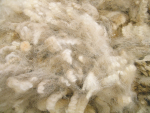
Strong competition and tightening supply have seen wool reach its highest prices paid at auction since 2011.
A firm belief in the agricultural sector has kept the PGG Wrightson business going for 175 years, says chief executive Stephen Guerin.
Strong farmgate milk price is helping boost investment on farms, says PGG Wrightson chief executive Stephen Guerin.
Booming primary sector exports are helping lift earnings for farm service providers.



Supply chain problems, growing protectionism and a move to greater food security are some of the key challenges facing New Zealand exporters, according to our top trade negotiator, Vangelis Vitalis.
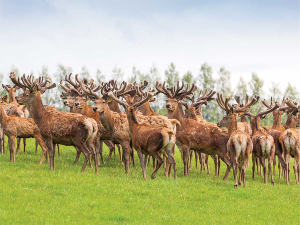
A spat within the ranks of the New Zealand Deer Farmers Association has resulted in the suspension of outspoken North Canterbury farmer Barry Cuttance.
After delivering a strong financial year, rural trader PGG Wrightson says the coming months will depend on customer confidence and weather.
Beef+Lamb New Zealand and the Ag Emissions Centre have launched a new research project aimed at helping beef farmers reduce methane emissions without impacting productivity or profitability.
The apple sector is working with the Government to unlock access to two key markets that could bring millions in revenue for apple growers.
Celebrating 50 years in the rural landscape of Central Canterbury and beyond, Ashburton-based Carrfields, has been the exemplar for all aspects of modern agriculture via its extensive range of services including supply, growing, agronomic advice and marketing.




OPINION: The same mainstream media muppets that brought you Jacindamania in 2017 have been flat out pimping for the Opportunities…
OPINION: Your old mate reckons the atrocious way farmers in the UK are treated by their lords and masters in…