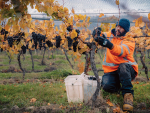
SWNZ Strengthens People Pillar for Global Markets
With ethical employment practices a "hot topic" in key markets, Sustainable Winegrowing New Zealand (SWNZ) is strengthening its People Pillar.




 increase font size
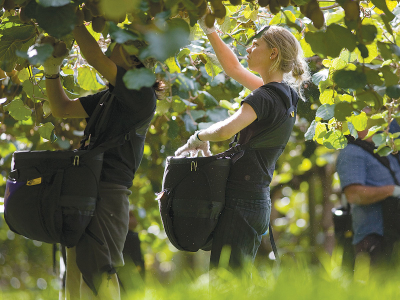
Regional New Zealand will benefit most from changes to employer assisted visa settings, says BusinessNZ chief executive Kirk Hope.
He joins a chorus of primary industry sector organisations welcoming changes to temporary work visa rules.
Significant changes will be made to current immigration settings, says Hope.
Access to migrants to regions with low unemployment will be improved and sector agreements will be put in place.
Federated Farmers says the Government has indicated the dairy industry is a likely early target group for a sector agreement containing specific terms and conditions for recruiting foreign workers.
The Meat Industry Association also says the meat processing sector has been invited to negotiate with the Government for one of the first sector agreements for immigration. The sector is now short of about 2000 employees, representing about 8% of its workforce.
“Labour shortages have been an ongoing issue for the meat processing sector, affecting our ability to run our plants to the desired capacity and fully process all products,” said MIA chief executive Tim Ritchie.
“That deprives processors and farmers of revenue and rural communities of income.”
He says the sector is committed to training and employing New Zealanders but it must recruit people from overseas to fill immediate gaps.
A sector agreement is likely to include how the meat industry will attract NZers, improve productivity, offer training and uphold employment standards, says Ritchie.
“Meat processors are mainly based in the regions, so residential accommodation is available for people coming from overseas. Enabling meat processors to operate at full capacity for the season will provide additional money to the communities in which they operate.”
Horticulture NZ chief executive Mike Chapman says the changes will make it more straightforward to hire skilled workers from overseas.
“At the same time, the changes recognise the need to employ NZers wherever possible, but we appreciate this is not always possible.
“The changes will take effect over the next couple of years as the detail is worked out with industry input.”
DairyNZ chief executive Dr Tim Mackle says a consistent message from farmers is that they are struggling to get good staff on farm.
“Filling skill shortages is of critical importance to our agricultural sector,” Mackle said.
“We will now work with dairy farmers to ensure they understand what these changes will mean for them from 2021 when the policy comes into place, and also what it might mean in the period before then.”
DairyNZ says it will seek clarity about what the changes mean for existing migrant employees.
Federated Farmers is confident the simpler and streamlined process will deliver for the regions.
Feds employment spokesman Chris Lewis says by ditching the ANZSCO skill level classifications (in favour of a pay rate system) there is much greater scope for a migrant worker to progress in a farm career.
With ethical employment practices a "hot topic" in key markets, Sustainable Winegrowing New Zealand (SWNZ) is strengthening its People Pillar.

OPINION: Farmers have been clear: it is getting harder, not easier, to find and keep good people.
Building on the success of last year's events, the opportunity to attend People Expos is back for 2025, offering farmers the chance to be inspired and gain more tips and insights for their toolkits to support their people on farm.
Historically payroll software was written for commercial businesses where everything was relatively stock standard.
With a 12-year history of recruiting specialised operators from overseas to service the agricultural contracting industry, Hanzon Jobs typically brings in around 200 people to New Zealand each year from the UK and Ireland.



Federated Farmers says it welcomes Labour's commitment to reviewing the Sharemilking Agreements Act, calling on other major parties to do the same.
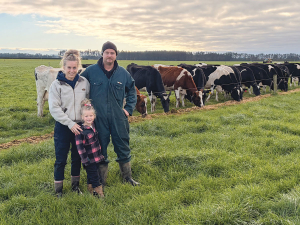
For Canterbury dairy farmers Sian Meijer and Rick Wobben, wearable technology has become one of their most valuable on-farm tools - helping manage 1850 cows across an expansive, high-performing dairy operation while improving efficiency, mating outcomes and day-to-day decision making.
Fonterra has unveiled its annual results for the 2026 financial year, posting $27 billion in revenue and close to $20 billion returned to New Zealand farmer owners and unit holders.
The first major update to the Dairy Cattle Code of Welfare in more than a decade has been released, marking what DairyNZ describes as an important step in ensuring animal welfare standards continue to evolve alongside scientific evidence and on-farm realities.
Ravensdown shareholders have elected Jane Montgomery and Kate Acland to the Ravensdown Board for three-year terms, following a closely contested director election.
Federated Farmers says new legislation replacing the Resource Management Act will cut red tape, unlock investment and help grow New Zealand's export-led economy, after the Planning Bill and Natural Environment Bill passed their third reading in Parliament yesterday.





OPINION: The same mainstream media muppets that brought you Jacindamania in 2017 have been flat out pimping for the Opportunities…
OPINION: Your old mate reckons the atrocious way farmers in the UK are treated by their lords and masters in…




