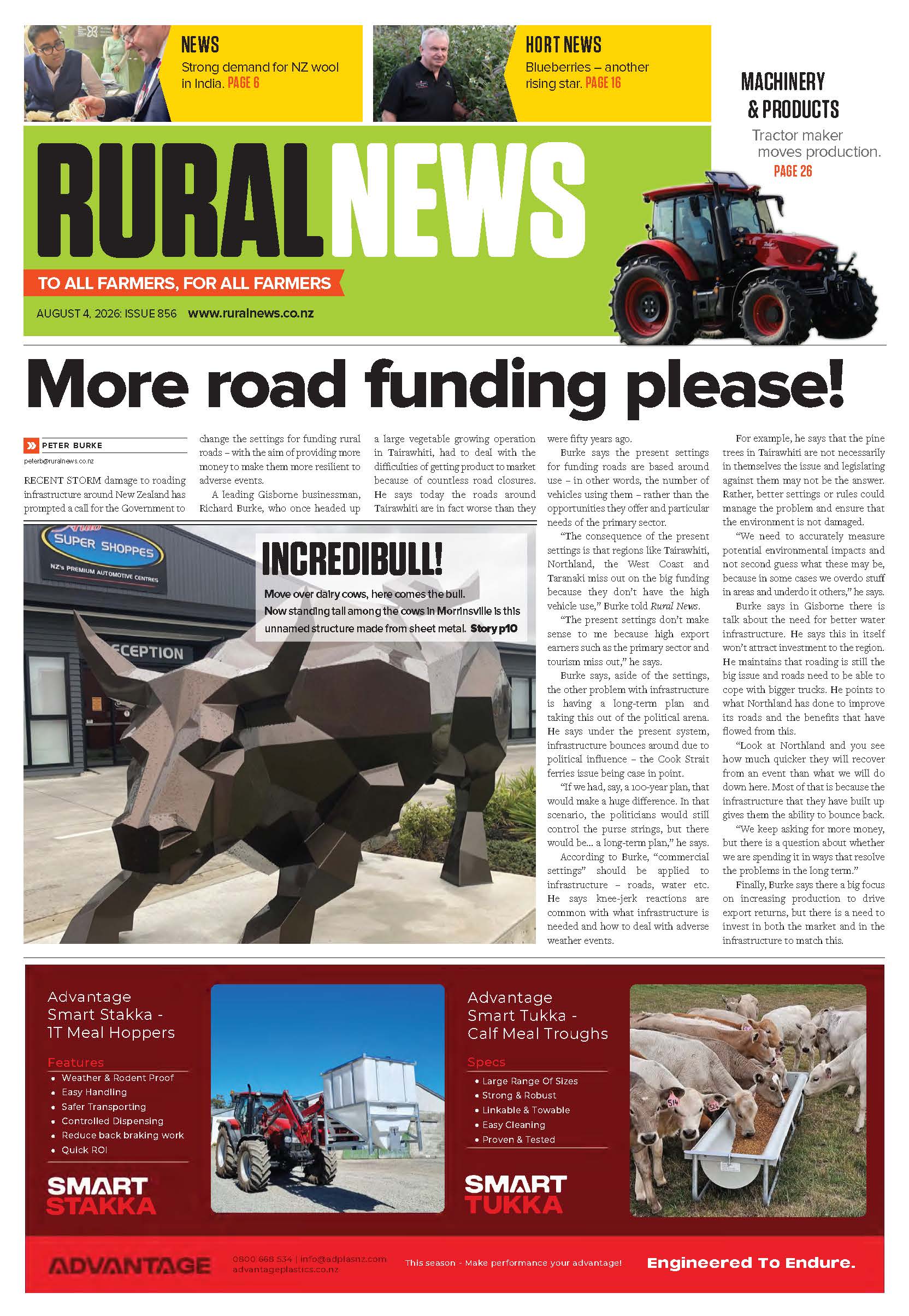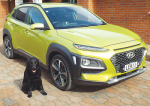
Winds of change blow at Hyundai
It doesn't seem too long since Hyundai was the new kid on the block, but the last decade has seen it emerge as a key player.




 increase font size

DIESEL CARS were long ago the preserve of anorak wearers obsessed with fuel economy statistics that they neatly recorded in log books.
These blokes – they were always blokes – would focus on mileage and gloss over the reality of the driving experience these early diesel cars offered; fast and refined they were not. Times have changed though, as the Hyundai i40 ably demonstrates.
The 1.7L UII diesel in this slick Korean wagon is a superb unit, punching out useful power of 100kW@4000rpm and torque of 320Nm@2000-2500rpm. And the power delivery is quiet and refined. The driver of a 1979 Mercedes Benz 300D should have been so lucky.
The 6-speed automatic gearbox has enough ratios, and is clever enough to select the right one, to keep the engine on the boil. Progress is effortless, unlike the alternative power plant, a 2L 4-cylinder petrol engine, which just can’t match the pulling power of this diesel. Hard to make a case for the petrol engine in this instance, especially when fuel economy is considered: 7.5l/100km for petrol vs. 5.6l/100km for diesel (put that in your log).
The on-road behaviour is also very good; this is not a sports car despite what the aggressive appearance might suggest, but it is capable and comfortable, eating up the miles on a long haul or regular short commute. The suspension has been tuned for New Zealand conditions.
It also looks great. Hyundai has made huge leaps with the appearance of its vehicles in recent years and no longer produces shapeless, bland cars. The i40 pulls off the sharp sports-wagon look with aplomb.
Safety features include ESC (electronic stability control), ABS braking, traction control, nine airbags and ESS or emergency stop signal, which activates all rear lights under emergency braking to warn following drivers.
We drove the 1.7 CRDi Elite LTD that comes with a list of kit as long as your arm: leather seats that are powered, heated and ventilated; premium trim and sound; climate control; reversing camera; rain sensing wipers; daytime LED running lights; keyless start; USB connection; Bluetooth… you get the point.
This high-spec model costs $59,990 but you can get into a diesel i40 for $48,990.
A solid effort all round, the i40, and worth a look as an alternative to the Mondeo, Mazda 6 and Avensis wagons.
Be sure to drive the diesel version though. Anorak not included.
It doesn't seem too long since Hyundai was the new kid on the block, but the last decade has seen it emerge as a key player.
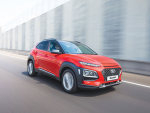
Following the meteoric rise in the SUV market over the last decade, Korean manufacturer Hyundai has launched a small SUV.
The Australian motoring press, known to take themselves a bit seriously, have been quite dismissive of Hyundai’s large, rear wheel drive, six cylinder sedan, the Genesis.
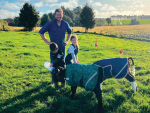

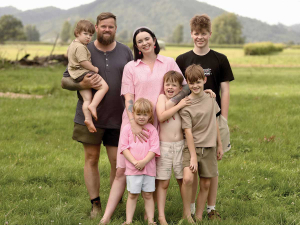
For Taupiri dairy farmers Logan and Sian Dawson, their involvement in the NZ Dairy Industry Awards has been a key catalyst in the growth of their business - the experience helping shape how they approach the farm ownership pathway they are pursuing today.
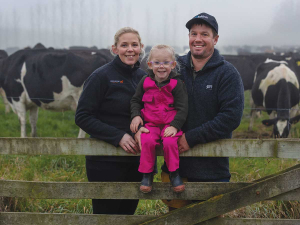
West Otago dairy farmer Luke Kane has been awarded the 2026 Rabobank Dr John Morris Business Development Prize.
OPINION: As the general election approaches, political parties are churning out policies in the hope of attracting more votes.
An LIC bull, Tronnoco AR Sadio-ET S3F, bred by Tony and Keri O'Connor of Tronnoco Farming Co Ltd near Timaru, has won the 2026 Mahoe Trophy.
With forecasters advising El Niño conditions will develop through winter and strengthen into spring and summer, Ballance Agri-Nutrients is encouraging farmers and growers to think ahead about nutrient planning and be prepared to work around challenging weather conditions.
A Palmerston North shearer has been sentenced to six months' community detention and 12 months' supervision after being found to have physically abused three lambs while shearing them.



OPINION: The same mainstream media muppets that brought you Jacindamania in 2017 have been flat out pimping for the Opportunities…
OPINION: Your old mate reckons the atrocious way farmers in the UK are treated by their lords and masters in…