Foliar feeding 'lifts N efficiency'
Research findings published in Europe support the concept of foliar fertilisation or foliar feeding in improving nitrogen use efficiency (NUE) while maintaining pasture productivity.




 increase font size
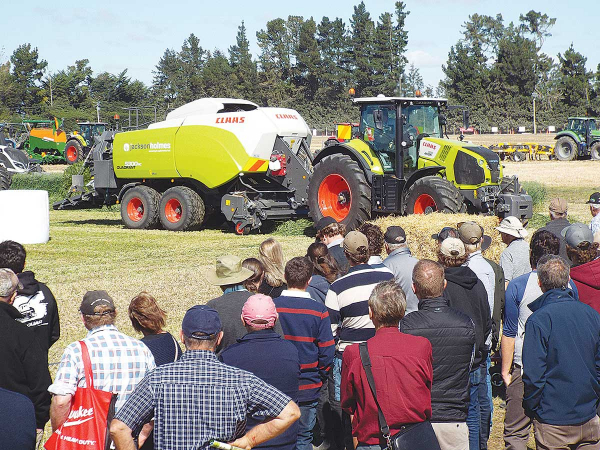 A highlight for the 32,000 visitors at this year’s SIAFD were the working demonstrations held on each day of the event.
After celebrating its 70th year last month, it looks like the South Island Agricultural Field Days (SIAFD) has hit its heights - with most exhibitors spoken to considering it to now be the 'best' field day of any sort in the country.
Exhibitors spoke of the ease of getting things done at SIAFD, with the event organisers taking a 'what can we do to help' attitude and nothing being too much trouble.
Blessed with good weather, this year's three-day event saw over 600 exhibitors, the majority with direct links to the rural sector, focusing on engagement with farmers or rural dwellers - rather than focusing on numbers through the gate.
Getting to the event, located at its permanent home at Kirwee, west of Christchurch, was made easy with a good traffic plan and easy parking. Entry was swift using a recently launched online ticketing system, leading to 32,000-plus visitors passing throuhg the turnstiles over the three days.
During the show, a highlight for many farmers or contractors, were the working demonstrations. These covered around 11ha and are said to be the largest display of working machinery of any field day in the country. Visitors were able to see the latest tractors and implements tackling stubble cultivation, mowing, raking, baling - in round or square formats - wrapping and harvesting.
"This part of the event just keeps getting better and better," Class Harvest Centre's Roger Nehoff told Rural News.
"It is organised by a committee of farmers and nothing is too much trouble.
"Even to the point of being asked way before the event what crops we wanted planted and in what direction. It certainly gives us a great shop window to display our products, making SIAFD a standout for us in the annual round of field days."
Exhibitors also reported that visitors were in a buoyant mood, with deals being done and on-farm demos being organised.
The only 'fly in the ointment' appeared to be a longer lead time for overseas products to arrive, due to severely disrupted worldwide shipping, and reduced production caused by disrupted component supply and social distancing rules.
The message to buyers from most exhibitors is: "If you need spring delivery, get your orders in now!"
It is expected that things are likely to get worse before they get better, with Europe in particular seemingly entering a third wave of Covid-19 infections.
Research findings published in Europe support the concept of foliar fertilisation or foliar feeding in improving nitrogen use efficiency (NUE) while maintaining pasture productivity.
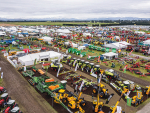
While the temperature was struggling to reach about 5 degrees and the horizontal hail had enough grunt to slice cheese, the SIAFD committee knocked it out of the park by delivering another great event.
A couple of the machines that will be on show at the 2023 SIAFD have effectively already done their live demonstration.
SIAFD started in the 1950s as machinery demonstrations on a leased site at Lincoln.
The South Island Agricultural Field Days is a family affair for brothers Andrew and Nathan Stewart.


The Royal New Zealand College of General Practitioners (the College) and Hauora Taiwhenua Rural Health Network are calling for investment in a proposed new training pathway for rural GPs, warning that many rural practices are struggling to recruit while a large share of the existing workforce nears retirement.
Federated Farmers has called on Central Otago District Council (CODC) to drop or vote down a plan to truck sludge from Alexandra and Cromwell to farmland near Lauder, warning it would compound an "outrageous" situation created by a separate council's decision weeks earlier.
Synlait has swung to second-half profit as operations stabilise, but the dairy processor still posted a $75.4m annual loss.
LIC shareholders have elected a new North Island representative to the co-operative's Board, along with five representatives to its Shareholder Reference Group (SRG), following the company's Annual Meeting held in Invercargill.
Farmers across parts of Southland and South Otago are continuing to deal with difficult conditions after a prolonged run of wet weather, with pressure building around feed supply, stock management, pasture damage, farm infrastructure and everyday workloads.
Federated Farmers says it welcomes Labour's commitment to reviewing the Sharemilking Agreements Act, calling on other major parties to do the same.





OPINION: The same mainstream media muppets that brought you Jacindamania in 2017 have been flat out pimping for the Opportunities…
OPINION: Your old mate reckons the atrocious way farmers in the UK are treated by their lords and masters in…




