Final call for Alliance’s 2027 Graduate Programme
Alliance is calling for final applications for its 2027 Graduate Programme, with applications closing on Sunday 25 October.




 increase font size
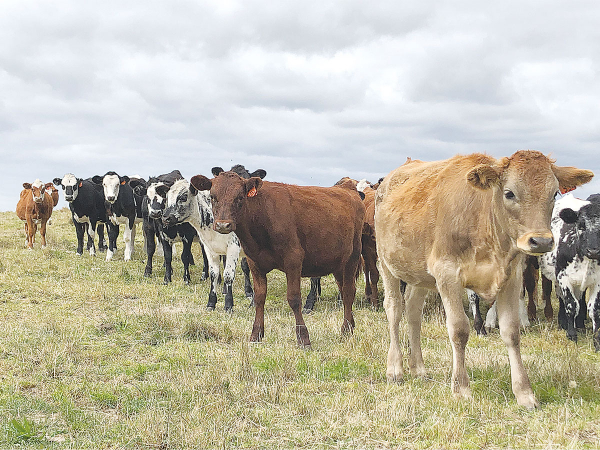 A series of workshops will be held throughout New Zealand to help farmers with their GHG calculations.
Beef + Lamb New Zealand (B+LNZ) has joined forces with Silver Fern Farms, Alliance, Greenlea Premier Meats, ANZCO and Deer Industry New Zealand (DINZ) to deliver 50 Greenhouse Gas workshops over the course of 30 days.
The aim is to deliver the Greenhouse Gas Calculator and Action Plan workshops is to reach as many farmers as possible during the month of August.
Supporting farmers in knowing their greenhouse gas (GHG) numbers is part of the He Waka Eke Noa programme; the primary sector’s climate change commitment to measure, manage and reduce on-farm agriculture GHG emissions.
Farmers will need to know their farm’s annual GHG numbers by December 2022 and have a written plan in place for measuring and managing their emissions by January 2025.
The 50 workshops, held across the country, are designed to explain the importance of farmers knowing their GHG numbers and help them calculate their on-farm emissions using B+LNZ’s GHG Calculator.
Farmers who attend will also be shown how to create GHG action plans suited to their farms.
B+LNZ’s environment integration lead Sarah Crofoot says the workshops help farmers to build resilience into their businesses, while giving the public confidence that the sector is playing its part in addressing climate change.
“We understand that change is happening quickly, which can be overwhelming, but farmers knowing their on-farm emissions numbers provides an important platform for future decisions and understanding the impact of policy changes,” she says.
Denny Hailes, general manager livestock and shareholder services at Alliance Group, says the level of interest from farmers has been pleasing and a high turnout is expected for the flurry of workshops in August.
“It’s important that farmers know how to calculate their farm’s greenhouse gas emissions so they can make a plan to reduce them,” he says.
Hailes says the workshops provide farmers with the advice and information needed to take the first step.
“As a 100 per cent farmer-owned co-operative, there has been strong interest in the workshops from our farmers and we encourage any farmer interested in knowing their number to head along.”
Alliance is calling for final applications for its 2027 Graduate Programme, with applications closing on Sunday 25 October.
Alliance Group has confirmed that eligible farmer-shareholders who supply and continue to back the business will receive up to $20 million later this year, following the strategic investment partnership with Dawn Meats.
Alliance Group's $16 million programme to install innovative heat pump systems at its Otago and Southland processing plants wins a New Zealand Energy Excellence Award after cutting annual emissions by more than 24,000 tonnes of CO₂e.
Canterbury farmer Andy Macfarlane has been appointed to the board of AgriZeroNZ, the public-private partnership designed to accelerate the development and deployment of emissions reduction tools for New Zealand farmers.
As dairy farmers lock in plans for the upcoming mating season, a partnership between Fonterra and Silver Fern Farms has been formed with the aim of making it simpler to create additional value from calves not entering the replacement herd.


Federated Farmers has welcomed new rural policies released by ACT, saying they align closely with its own election priorities.
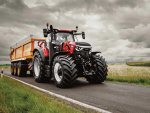
Rural Contractors NZ says proposed changes to land transport rules for agricultural vehicles are a welcome response by the Government to out of date regulations which have seen members hit with huge fines.
Alliance is calling for final applications for its 2027 Graduate Programme, with applications closing on Sunday 25 October.
Decades piloting planes has ensured vet and farmer David Hayes is focused on safety. So, after a serious accident while welding on farm, he is sharing his experience so others can learn from it.
Canterbury milk processor, Synlait Milk has confirmed Leon Fung as its chief executive officer.
OPINION: Making it easier to collect rainwater and use it to grow crops and livestock is a no brainer.

OPINION: The same mainstream media muppets that brought you Jacindamania in 2017 have been flat out pimping for the Opportunities…
OPINION: Your old mate reckons the atrocious way farmers in the UK are treated by their lords and masters in…




