Farm Safety Improves Through 'Incremental Gain', Says Birkett
Improving health and safety is about incremental gain rather than a sudden decision, says Leeston farmer and Federated Farmers health and safety spokesman David Birkett.




 increase font size
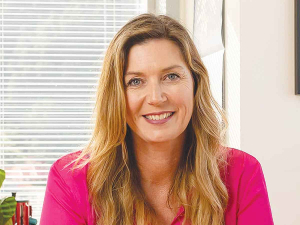
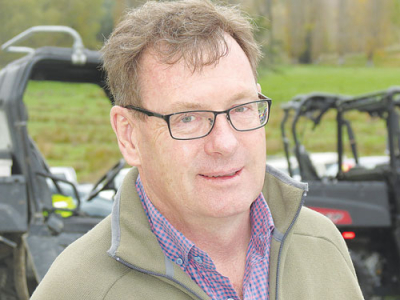 WorkSafe NZ’s Al McCone.
The steps that lead to good business are the same as those that lead to good health and safety practices, says Al McCone, sector leader for agriculture at WorkSafe New Zealand.
“There is an intrinsic link between your business practices and your health and safety practices,” McCone told Rural News.
Farmers should look at health and safety as part of keeping themselves and the people who work for them safe – but also keeping their business safe.
“The things that underlie good business are the things that underlie good health and safety. That’s good leadership in where the business is going, understanding the risks in your business and how you plan to manage or mitigate those risks if you can’t eliminate them.
“And it’s about communication at all sorts of levels -- with your accountant, workers and fellow directors, and with others who have an influence on your business activity.
“If you translate that into health and safety, you are talking about the need to lead the conversation on your farm about health and safety.
“That need is driven by keeping people and your business running. If you have people who are injured or you are injured, the stresses and strains on you or your business to carry on are going to have a detrimental effect on your business.”
Farmers tend to say that health and safety is all about compliance, but in fact it’s people getting home healthy and safe. It should not only be a checklist of things to do based on the law
“The law sets out the minimum levels where you should be – the bottom line. But in fact to be an effective business you need to be above that; you need to be aiming for the ceiling not the floor.
“If everyone in a business is always thinking about improving production, and contributing their ideas, the production will increase. The same applies to health and safety: everyone being aware of risk and eliminating or managing that risk.”
Part of that is who is leading the conversation across the whole sector? he says. While onfarm leadership is essential, just as important are the messages from people who influence the behaviour across the sector.
Farming organisations, retailers, farm consultants, processors and the other people who come up the driveway have an influence on what is accepted as appropriate behaviour.
“We are really lucky that over the last three years some organisations have really stepped up [on health and safety] in New Zealand.
“Most of the major players in NZ agriculture -- the fertiliser companies, the major retailers, DairyNZ, Beef + Lamb NZ and larger corporate farmers -- have signed up for the Agricultural Leaders Health and Safety Action Group.”
This group was formed in 2016 from organisations who want to make farming safer.
“They have decided ‘let’s get together and lead the conversation across agriculture’ and I think that’s brilliant,” McCone says.
It should be agriculture driving agriculture to improve; it should be dairy driving dairy to improve, he says.
“DairyNZ drives dairy to improve in a whole lot of areas like production, genetics, etc. People who work in dairy are just as much part of dairy as animals and pastures and all the other things, and DairyNZ has a focus on people too.
“DairyNZ has been really good over the past two or three years in stepping forward, starting to lead the conversation and providing training for people in the sector, just as Beef + Lamb NZ has for the sheep and beef sector and HortNZ has for horticulture.”
Improving health and safety is about incremental gain rather than a sudden decision, says Leeston farmer and Federated Farmers health and safety spokesman David Birkett.
A safety push across New Zealand has revealed significant gaps in hazardous substances management, farm vehicles, tractors, quad bikes and side-by-sides.
Decisions you make in an instant on the farm can be the difference between life and death.
Keeping healthy and safe during vintage 2026
Following a side-by-side rolling into a gully, Safer Farms has issued a new Safety Alert.


Waikato milk processor Tatua has again declared a record milk payout to farmer shareholders, leaving other processors in the dust.
A Labour-led Government won’t be bringing back the controversial freshwater rules of 2020.
National’s much-touted free trade deal with India featured in the Rural Issues Debate at Mystery Creek, Hamilton on Wednesday night.
New Zealand's 2026-27 freshwater fishing season has opened, with anglers encouraged to head to rivers and lakes over the coming days as conditions look favourable across much of the country.
Central Otago District Council (CODC) has voted against a plan to spread treated sewage sludge from Cromwell and Alexandra on farmland near Lauder, a decision Federated Farmers says reflects strong opposition from rural residents.
Pāmu has released its FY26 Integrated Annual Report, reporting a Net Operating Profit of $113 million, more than double the $49 million recorded in FY25.




OPINION: The same mainstream media muppets that brought you Jacindamania in 2017 have been flat out pimping for the Opportunities…
OPINION: Your old mate reckons the atrocious way farmers in the UK are treated by their lords and masters in…




