Why Now Is the Time to Plan Farm Succession, Findex Says
OPINION: Succession and long-term planning are perennial topics because it is perpetually sidelined on busy farms.




 increase font size

Traditional farming challenges are being compounded by recessionary economic conditions and modern farming methods, says Waikato efarming entrepreneur Peter Floyd.
Floyd says springtime stress, mud, rain, labour problems, low covers, expensive supplements, cows not cycling, low cow conditions, scouring calves are all issues farmers have dealt with for decades. But throw in the economic environment and a focus on increasing production and many farmers are struggling to keep up – as shown by recent AgResearch studies into farmer stress.
Managing a farm in these conditions is becoming more challenging every year, but new technology can help ease the burden, he says.
Floyd has developed, tested and is now promoting an eCOGENT ProfitPoint software package which helps farmers get to grips with the key factors driving their profit – and harness ways of working smarter, not harder. Floyd has been developing the eCOGENT technology over the past 15 years, and a new web-based interface makes it more practical and simpler to use than ever.
"We are finding that our farmers are commonly able to reduce their herd sizes – and all the expenses, stresses and heavy workloads that go with that – and still make more profit than before. I was talking last week with one of our members, a high profile farmer, who had increased his profit by $200,000 in 12 months. Our technology, the sum of a huge amount of research and development, can give farmers a huge leg up to success on the modern farm," Floyd says.
Floyd is this month offering a free herd assessment for Waikato farmers keen to understand how they might improve profitability and address their common stress factors without having to work more hours.
ProfitPoint combines the best of animal science with best business practice, and eCOGENT members using the package have constantly improved their net farm profits by 30% per year with this approach. In essence, the package enables farmers to identify their actual to date situation as well as forecast through a comprehensive 'what if' option.
Basic information including rainfall, soil temperature, pasture covers, livestock numbers and values, income and expenditure are recorded by members, and monthly financial performance information is also loaded. Online management reports are produced instantly for members to simplify decision making down to the point where specific livestock types, numbers and stocking rates can be made on the basis of their daily profitability.
"Feed quality and the need for supplementary feed is a constant and very expensive headache. Should farmers buy more supplementary feed, quit some stock; tighten up on less vulnerable stock, lease some grazing, or what? Our software allows you to run the 'what if's and see what science and common sense arrive at. The basic feed production budget that many farmers use is often costing them too much," Floyd says.
"Low condition cows are another example of a liability that can be and has to be addressed well before calving and in fact before drying off takes place.
"Excessive workloads are another huge stress for farmers. I am buoyed by our members who have broken the work harder cycle of the past couple of decades and not only increased profits but also now have time to have holidays and take their partners to the movies at least," he says.
"In dairy farming in particular, we have got caught up in a high cost, high chemical model that is not sustainable and certainly not conducive to healthy pastures, healthy food and healthy people. To Neal Bateup and others, I would also say keep up the good work as there are many farmers out there who need support and guidance to improve their own and their families futures."
OPINION: Succession and long-term planning are perennial topics because it is perpetually sidelined on busy farms.
Farms across the upper North Island are trialling different pasture mixes as part of a research programme that aims to build greater resilience into farming systems.
Election years are always a concerning time for farmers, according to DairyNZ chair Tracy Brown.
Matt Collier, Probiotic Revolution, says calves will drink a lot of milk once-a-day with their probiotic Calf Xtreme.


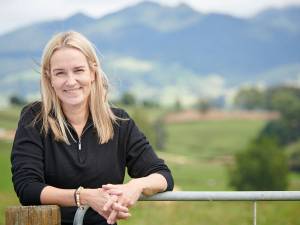
Minister of Conservation Hon Tama Potaka has appointed Susan O'Regan as Chair of the Queen Elizabeth II National Trust (QEII) for a three-year term.
Red meat farmers are welcoming Labour’s plan to review the Emissions Trading Scheme and not to campaign on pricing agricultural emissions.
Where any worker in the kiwifruit industry is mistreated, we expect the authorities to take action.
Mid Canterbury Federated Farmers arable chair, Bevan Lill, said Beef + Lamb NZ data indicated that for the last six years, the average arable return on investment was about 0.8% while inflation ran about 4% - so the average arable farm was going backwards at about 3% a year.
Seed and grain companies share the concerns of arable farmers about the viability of their sector, says Seed and Grain New Zealand chief executive Dr Sarah Clark.
The New Zealand Institute of Forestry (NZIF) says unnecessary changes to New Zealand’s Emissions Trading Scheme (NZ ETS) will seriously erode investor confidence and result in significant reductions in forest planting rates.


OPINION: The same mainstream media muppets that brought you Jacindamania in 2017 have been flat out pimping for the Opportunities…
OPINION: Your old mate reckons the atrocious way farmers in the UK are treated by their lords and masters in…