Editorial: Making Water Storage Easy
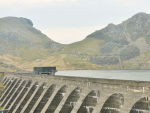
OPINION: Making it easier to collect rainwater and use it to grow crops and livestock is a no brainer.




 increase font size
 The Fieldays week certainly turned out to be a week of good deals and great news for farmers.
OPINION: There was an extra spring in the step of farmers at the Fieldays last week.
On the eve of the four-day annual event, the rural sector got the news that the Coalition Government partners were coming good on their election promise to keep agriculture out of New Zealand’s emissions trading scheme (ETS).
The Government also announced the disbanding of He Waka Eke Noa (HWEN), an industry partnership to set pricing and reduce methane emissions on farms, an initiative that never took off among farmers.
Federated Farmers had four words on HWEN’s demise – ‘goodbye and good riddance’.
Federated Farmers, Beef + Lamb NZ and DairyNZ have all welcomed the decision, however, Labour and the Greens are among those who are critical.
Farmers want a measurement and reporting framework that is practical and useful for them. They would never accept a plan that would see 20% of sheep and beef farms, and 5% of dairy farmers, priced out of existence.
For its part the Government is committed to meeting climate change obligations without shutting down Kiwi farms.
It doesn’t make sense to send jobs and production overseas, while less carbon-efficient countries produce the food the world needs.
That’s why the Government wants to focus on finding practical tools and technology for farmers to reduce their emissions in a way that won’t reduce production or exports.
Kiwi farmers agree that they are going to need tools and technology so they can reduce emissions without reducing production or exports.
That’s why they support the Government in investing further in R&D to develop practical tools to help lower on-farm emissions while protecting production.
The Government has funding – including additional $50 million is going to the New Zealand Agricultural Greenhouse Gas Research Centre over the next five years on projects including the development of a methane vaccine; a project to breed lower emissions cattle; and accelerating the work on methane and nitrous oxide inhibitors.
The Fieldays week certainly turned out to be a week of good deals and great news for farmers!
OPINION: Making it easier to collect rainwater and use it to grow crops and livestock is a no brainer.
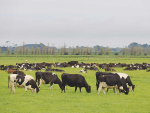
OPINION: New health and safety guidance unveiled by the Government recently provides farmers greater certainty about what is expected of them when managing risks on farm.
OPINION: Have a plan in place now!
Red meat farmers are welcoming Labour’s plan to review the Emissions Trading Scheme and not to campaign on pricing agricultural emissions.
The New Zealand Institute of Forestry (NZIF) says unnecessary changes to New Zealand’s Emissions Trading Scheme (NZ ETS) will seriously erode investor confidence and result in significant reductions in forest planting rates.


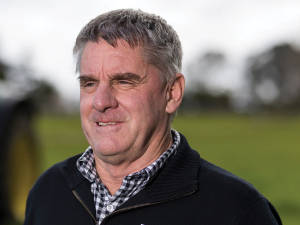
Federated Farmers has welcomed new rural policies released by ACT, saying they align closely with its own election priorities.

Rural Contractors NZ says proposed changes to land transport rules for agricultural vehicles are a welcome response by the Government to out of date regulations which have seen members hit with huge fines.
Alliance is calling for final applications for its 2027 Graduate Programme, with applications closing on Sunday 25 October.
Decades piloting planes has ensured vet and farmer David Hayes is focused on safety. So, after a serious accident while welding on farm, he is sharing his experience so others can learn from it.
Canterbury milk processor, Synlait Milk has confirmed Leon Fung as its chief executive officer.
OPINION: Making it easier to collect rainwater and use it to grow crops and livestock is a no brainer.
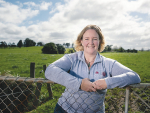

OPINION: The same mainstream media muppets that brought you Jacindamania in 2017 have been flat out pimping for the Opportunities…
OPINION: Your old mate reckons the atrocious way farmers in the UK are treated by their lords and masters in…




