OPINION: Houston - or more correctly Wellington – we have a problem.
And that problem is a shortage of workers right across New Zealand’s primary sector.
The latest example is the apple sector (click here for the story), which is facing a potential $80 million loss in the coming season because of a looming labour shortage.
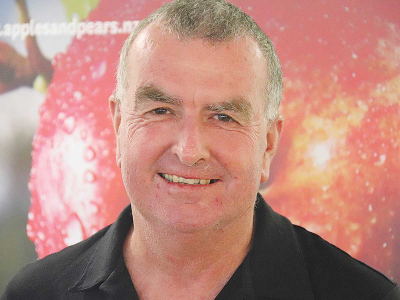
Apples and Pears NZ chief executive Alan Pollard told Rural News that the main reason for this is the Government’s decision not to allow the numbers of overseas workers required under the RSE (recognised seasonal employer) scheme to meet the needs.
Unfortunately, the apple sector’s woes follow a long line of other primary industries struggling for workers – dairy farming, kiwifruit, strawberry, meat processing and rural contracting to name but a few.
Meanwhile, as these crops fail to get harvested and planted, impacting severely on our largest export-earning sector, the Government seems to be twiddling its thumbs. Of course there are no easy answers. However, a good first step would be to immediately raise the numbers of RSE workers allowed into NZ and relax the restrictions on immigrant workers for the primary sector.
Claims about giving NZers’ jobs first are all well and good. However, it is fancifully unrealistic in an already tight labour market where locals are either unwilling or unable to do this much needed work.
As Alan Pollard rightly points out, the lack of labour is a risk for the industry.
“If we are unable to pick the fruit on our trees and sell it in these new developing markets, our competitors will do that and we will never get into these markets again,” he said.
The Government must be much more proactive in fighting back against the demonisation of the primary sector as the source of all the country’s environmental woes. Allowing this narrative to gain traction only makes it harder to attract people to work in the agricultural and horticultural industries.
Meanwhile, the Government and the primary sector also need to work together to implement long term solutions, such as more training, ensuring better work conditions and promoting the exciting, rewarding, long-term career opportunities in the primary industries.
It may be too late to do anything to change the situation for the coming season, but action needs to be taken to change it for the seasons to come.