
NZ Rural Contractors Push for Urgent VDAM Rule Reform
While the Government has moved quickly to make commercial hauliers' lot easier during the current fuel crisis, they appear to be stuck in the creep box when it comes to the agricultural industry.




 increase font size
 RCNZ chief executive Andrew Olsen believes contractors and farmers are best placed to weather any recession.
OPINION: Since the end of World War II, New Zealand has had nine recessions.
I’m not sure any of these previous ones have been engineered by the Reserve Bank – or at least no Governor has so proclaimed responsibility. However, whether shallow, technical or deep, recessions are a regular fact of life in our economic cycle.
And while they are usually accompanied by a lot of gloom (which can make matters worse), recessions are always laden with opportunity for some.
I’m picking the rural sector will, in general, come through next year’s recession better than many of their urban counterparts. The reason was illustrated on November 15 when the UN declared the population of planet Earth had reached 8 billion.
Everyone needs to eat. New Zealand produces enough food for fewer than half of 1% of the world’s people, most of which is exported. When recessions cause contractions in spending – as the drop in Black Friday sales may suggest is already happening – exported food generally remains largely exempt.
Yes, there can be some recessionary sharpening of prices and people may look for cheaper sources of protein but our food exports are already competitive; our farmers and contractors are innovative and we farm without subsidies unlike many other nations.
Besides, prices for dairy and other sectors have been at record highs because international demand is so strong.
The world continued eating through Covid downturns and grain shortages caused by the Ukraine invasion. A recession at home and abroad, if relatively modest in size and duration as forecast, seems unlikely to crash export returns.
Assisting our farmers to date has been the drop in our currency, which makes our exports more attractive. That weaker Kiwi is adding to inflationary pressures and making the machinery, fuel and fertilisers that rural contractors and farmers use more expensive.
However, shipping costs are becoming more reasonable. I also think that our trading banks now weaning themselves off the sugar-hit of mortgage lending, might start re-connecting to clients like those who can spend as much as an Auckland mortgage on a new harvesting machine.
Recessions cause everyone to do a stock take and it will be a more challenging time for every New Zealander – urban and rural.
One consequence may be higher unemployment which some may see as a solution to rural labour shortages.
Sorry, but that’s not likely to work in most cases. Sure, during Covid we had a few airline and chopper pilots, among others, turn their hand to driving complex farm machinery for a while though they quickly returned to base when normalcy resumed.
Most Kiwis don’t have skills easily transferred to many rural jobs nor any wish to relocate and work the sometimes long hours required.
Meanwhile, our farmers are having to deal with a torrent of regulatory consultation and change which may well cause some to give up and seek an easier life, creating more labour demand.
That’s more than a shame when we have a world which wants all we can produce.
The challenge for my members is to decide what’s the right course for them. The old saying was that when tough times hit, farmers put away the cheque book. Really determined spending restraint doesn’t seem to add up when export prices are high and an ever-growing world population needs to be fed. One thing recessions do cause is a decline in confidence. Adrian Orr’s odd jive talking about engineering one is causing the jitters just now.
Recession or not though, rural New Zealand is likely going to be doing more than surviving.
Declaration: Andrew Olsen wishes it known he is no economist but likes Rob Muldoon’s quote about how you could lay them end to end around the world and still not reach a conclusion.
While the Government has moved quickly to make commercial hauliers' lot easier during the current fuel crisis, they appear to be stuck in the creep box when it comes to the agricultural industry.

Rural contractors are getting guidance on how to deal with recent rising fuel prices.
Rural contractors will be able to play a role in the revamped agricultural plastic recycling scheme with new regulations due for Cabinet signoff before this year’s election.
Rural Contractors NZ have launched a campaign today against the risks of fatigue in their industry.
Concern about fatigue impacts during a busy season prompted Rural Contractors New Zealand to launch a campaign about the risks. Chief executive Andrew Olsen explains.


Federated Farmers says it welcomes Labour's commitment to reviewing the Sharemilking Agreements Act, calling on other major parties to do the same.
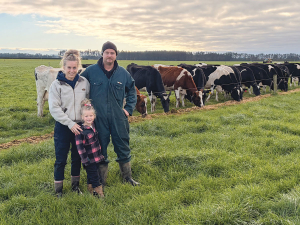
For Canterbury dairy farmers Sian Meijer and Rick Wobben, wearable technology has become one of their most valuable on-farm tools - helping manage 1850 cows across an expansive, high-performing dairy operation while improving efficiency, mating outcomes and day-to-day decision making.
Fonterra has unveiled its annual results for the 2026 financial year, posting $27 billion in revenue and close to $20 billion returned to New Zealand farmer owners and unit holders.
The first major update to the Dairy Cattle Code of Welfare in more than a decade has been released, marking what DairyNZ describes as an important step in ensuring animal welfare standards continue to evolve alongside scientific evidence and on-farm realities.
Ravensdown shareholders have elected Jane Montgomery and Kate Acland to the Ravensdown Board for three-year terms, following a closely contested director election.
Federated Farmers says new legislation replacing the Resource Management Act will cut red tape, unlock investment and help grow New Zealand's export-led economy, after the Planning Bill and Natural Environment Bill passed their third reading in Parliament yesterday.




OPINION: The same mainstream media muppets that brought you Jacindamania in 2017 have been flat out pimping for the Opportunities…
OPINION: Your old mate reckons the atrocious way farmers in the UK are treated by their lords and masters in…




