The calvary arrives — finally!
The first batch of overseas drivers for local agricultural contracting work is expected in the country next week, says Rural Contractors New Zealand (RCNZ) chief executive Roger Parton.




 increase font size
 Steve Levet
Welcome to 2015 and hopefully a busy and profitable year for agricultural contractors – and farmers alike – all around the country.
Last year ended with southern regions experiencing a cold and wet season and Canterbury along with other eastern parts of the country facing a long, dry summer. We also saw Fonterra slash its forecast payout down to $4.70/kgMS and the potential rebound in red meat prices.
As new year begins, the good news is that the weather has improved in the south allowing contractors to start catching up on the backlog of agricultural work in the region and meat prices have remained firm. Unfortunately, the news is not so good in Canterbury where the dry period has continued and is now starting to bite hard; dairy prices have not yet bounced back over the magical $5 mark.
However, that is the reality of life as a farmer and/or contractor with much of our business dictated by thing we cannot control – such as the weather and markets. All we can do is manage the things we can control.
An issue that gained media traction last year – thanks to efforts by our association – is the concerns about the efforts being made to try to encourage and attract young people to make careers in the agricultural and horticulture industries.
RCNZ, led by our zone 4 region (Otago and Southland), has developed an initiative aimed at encouraging more workers into our industry. Our guys worked alongside WINZ to organise a day where people interested in working in the rural contracting sector could come along talk to contractors, ask questions and get a look at some of the gear we use.
This initiative has turned out to be a resounding success over the past couple of years, with the induction/open day idea something RCNZ plans to replicate throughout the country and we are working on developing a template as to how this best can be done.
However, despite these initiatives, we still have a shortage of skilled machine operators within our industry. This leads to our on-going issue with immigration that has been troubling the rural contracting sector for some years.
We have been unable to convince government that there is a skills shortage within our industry for seasonal employees. Thus far, government has not been willing to include seasonal machine operators on the skills shortage list – therefore making it much harder to bring these operators into the country.
As an industry organisation, Rural Contractors NZ will continue to lobby government and immigration officials on this matter.
Another big issue for our sector, in the coming year, will be health and safety.
Law changes in the Health and Safety Act and the formation of WorkSafe NZ, along with reports of heavy fines dished out for injuries caused at work, emphasise that employers and employees must know their rights and responsibilities when it comes to health and safety issues in the workplace.
As a sector, we need to get to grips with changes to health and safety regulations; the wider agriculture industry rates poorly in this area. The penalties now for getting it wrong, should anyone suffer a major accident at their workplace, are severe and will impact on rural contractors and farming.
That’s why RCNZ spends a good deal of its time and resources on ensuring we are involved with and working alongside others to improve and enhance the safety of members and staff.
As contractors we are used to facing challenges; many we can’t do much about such as the weather and commodity prices. However, we can – and should – do everything we can to ensure that we and our staff get home safe and sound after a hard day’s work.
Then all we will need is the rain to fall where it is needed, the sun to shine where it is needed and the next GDT auction to go up as well!
• Agricultural contractor Steve Levet, Wellsford, is the president of Rural Contractors New Zealand (RCNZ).
The first batch of overseas drivers for local agricultural contracting work is expected in the country next week, says Rural Contractors New Zealand (RCNZ) chief executive Roger Parton.
An ‘11th-hour’ relaxation of border restrictions by the Government has been welcomed by the agri sector, but the wider industry is calling for more exemptions.
The first batch of overseas agricultural machinery operators could be in the country by mid-October, says Rural Contractors NZ (RCNZ) chief executive Roger Parton.
Agricultural contractor Grant Kinsman sticks with what he knows and likes.
An airline pilot may soon be landing in a paddock near you, driving a harvester.

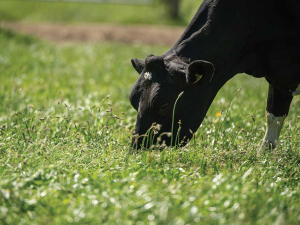
Farms across the upper North Island are trialling different pasture mixes as part of a research programme that aims to build greater resilience into farming systems.
Election years are always a concerning time for farmers, according to DairyNZ chair Tracy Brown.
The Ballance Farm Environment Awards are coming to the West Coast of the South Island.
Most dairy regions around the country have had a pretty good season so far says Tracy Brown.
Rural leader Mark Hooper has been appointed as an independent director to the NZPork board, bringing extensive farming, governance and advocacy experience to the role.


OPINION: The same mainstream media muppets that brought you Jacindamania in 2017 have been flat out pimping for the Opportunities…
OPINION: Your old mate reckons the atrocious way farmers in the UK are treated by their lords and masters in…