Rural Lobby Groups Seek Clear Election Positions On Farming And Emissions
Centre right parties are backing policy positions pushed by three farmer lobby groups ahead of the general election.




 increase font size
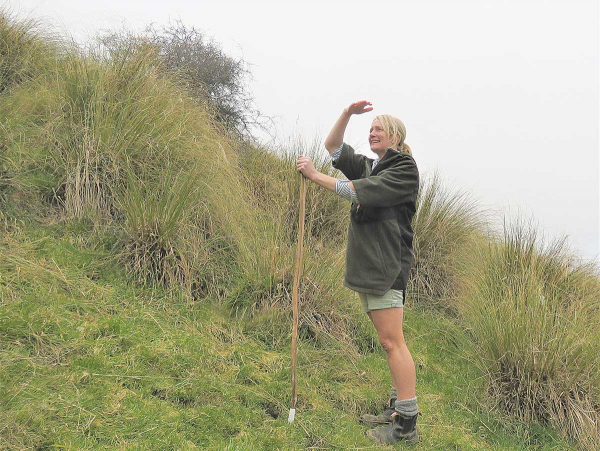 Farmer and environmentalist Jane Smith says “continual appeasement to government by industry- good bodies is not serving the sector well and it’s time for a mega-merger of primary sector advocacy groups”.
OPINION: "Where the bloody hell are you?"
This was the once infamous catch-cry of an Australian tourism advertisement from a few years ago.
However, it could now equally be used by NZ farmers to question the performance (or lack of it) by their industry representatives - especially when advocating on their behalf at a governmental level.
Two of the sector's largest agri-sector industry-good bodies - DairyNZ and Beef+Lamb NZ - take multi-millions of dollars in farmer levies each year, yet levypayers are fairly asking what they are actually getting in return.
No doubt, both organisations would use their highly-paid communications staff and contractors to run off a myriad of actions claiming they do a wonderful job in representing their respective farmers on the advocacy, trade and on-farm front.
One could debate their effectiveness or not on the two latter topics, but most farmers would say they have been hopelessly woeful on the former.
In the last couple of years alone, we have seen government either propose or impose carbon charges, freshwater regulations, winter grazing rules, farm environment plans and ban live exports - to name just a few.
All of these have either been greeted by muted acceptance or actually welcomed by the supposed farmer bodies. Both DairyNZ and B+LNZ argue that it's no use jumping up and down and they "have to be at the table" for the Government to hear them. However, many of their levypayers would argue all this has done is help the Government serve farmers on the menu!
As farmer Jane Smith argues, "continual appeasement to government by industry-good bodies is not serving the sector well and it's time for a mega-merger of primary sector advocacy groups". All this has opened the door for movements like Groundswell NZ to fill the gap.
Smith cites the recent performances of both B+LNZ and DairyNZ over the reforms to freshwater regulations and proposed greenhouse gas rules as leaving farmer levypayers dismayed, disappointed and feeling abandoned by their representatives.
Is it now time to scrap the old model of farmer representation - which the Government seems to play divide and rule with - and for the primary sector to form one, powerful, united voice for industry advocacy that would have to be listened to rather than dictated at?
It is worth serious consideration.
Centre right parties are backing policy positions pushed by three farmer lobby groups ahead of the general election.
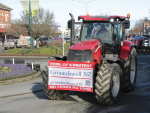
A survey of 2000 farmers shows 94% of respondents believe that remaining in the Paris Agreement for climate change is not in the country's best interest.
Groundswell is ramping up its 'Quit Paris' campaign with signs going up all over the country.
Groundswell NZ is ramping up its ‘Quit Paris’ campaign.
Beef + Lamb New Zealand (B+LNZ) chair Kate Acland says there are clear governance processes in place to ensure fairness and transparency.


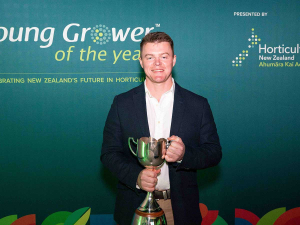
The potato industry is celebrating the success of two rising stars - James Blair, the 2026 Young Grower of the Year and runner-up and innovation award winner, Amber Davy.
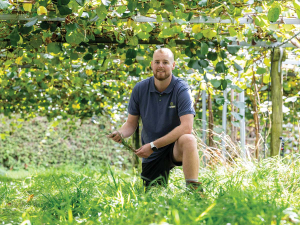
Twenty-eight emerging leaders from across the horticulture sector spent two days last month learning valuable skills and connecting with industry experts.
There are five entrants in this year’s Young Horticulturist of the Year, competing in a series of technical, practical, business and leadership challenges.
A seasoned horticulturist has been appointed to deliver the Apple Action Plan, a key initiative of the India-New Zealand Free Trade Agreement.
New Zealand's citrus growers have been told to compete on the value built into their fruit rather than the volume they grow.
Hawke's Bay fruit growers are being reminded of the need to prepare for whatever the El Niño weather system may bring in the coming months.




OPINION: The same mainstream media muppets that brought you Jacindamania in 2017 have been flat out pimping for the Opportunities…
OPINION: Your old mate reckons the atrocious way farmers in the UK are treated by their lords and masters in…




