Paris Agreement: What Are the Costs and Returns to NZ?
OPINION: We are only weeks from the election, and my vote is looking for a home.




 increase font size
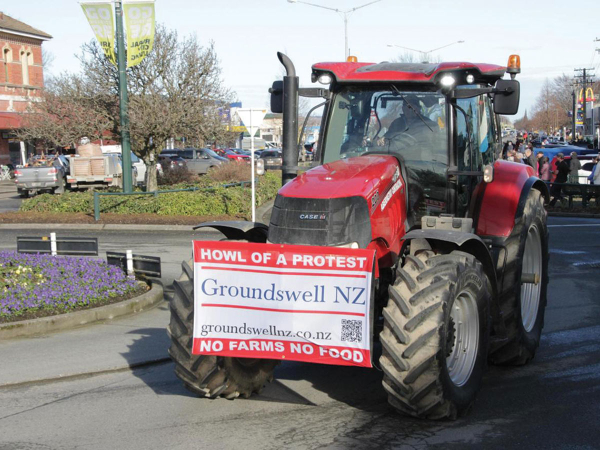 Groundswell is pressing on with its campaign to quit the Paris climate change deal.
A survey of 2000 farmers shows 94% of respondents believe that remaining in the Paris Agreement for climate change is not in the country's best interest.
The survey was jointly carried out by Groundswell NZ, NZ Farming, and the Methane Science Accord.
Groundswell co-founder Bryce McKenzie, who is leading a public campaign for NZ to withdraw from the Paris Agreement, told Rural News that he wasn't surprised by the results.
"As one person said to me, he couldn't understand what the other 6% were thinking about," says McKenzie.
"It sends a message that farmers are not happy with all of the adverse effects like trees and methane mitigation that is a direct result of the Paris Agreement."
McKenzie wasn't giving much away about their 'Quit Paris' campaign, saying that "we'll see what happens leading up to the general elections."
The ACT Party is calling for changes to the Paris Agreement. This puts ACT on the middle ground, with the National Party, Beef + Lamb NZ, DairyNZ and Federated Farmers ruling out leaving Paris. NZ First is yet to announce its position on the Paris Agreement.
NZ signed the accord in 2016 and it sets Nationally Determined Contributions (NDCs) for reducing greenhouse gas emissions.
The survey also found that 87% of farmers believe their businesses will be negatively or very negatively impacted over the next decade if current climate policy settings persist and 80% believe agriculture is carrying an unfair share of emissions reduction.
On whether NZ should continue commitment to net zero emissions by 2050, 95% of respondents said no. Only 3% said yes while 2% were unsure.
66% of respondents favour investing in practical environmental work, while only 2% support investment in methane reduction technologies and 79% said reducing methane from livestock was "not at all important," while 71% stated they would not adopt methane mitigation measures, even if tools or technologies were readily available.
Helen Mandeno, Methane Science Accord, says the survey shows that farmers are calling for a shift from ideology-driven targets towards grounded, practical environmental action that aligns with rural values and realities.
"This survey shows farmers understand that poverty is the only way to comply with the Paris Agreement and that methane mitigation technology only gets in the way of using out land to efficiently turn water, air, and sunshine into protein."
OPINION: We are only weeks from the election, and my vote is looking for a home.
OPINION: Back in April, the Intergovernmental Panel on Climate Change delivered an update that should have triggered an 8.5 magnitude earthquake in the world of climate change policy.
Ravensdown has reported a net profit before tax and rebate of $50.1 million for the year ended 31 May 2026.
Although preventable, lamb loss from clostridial diseases during the first year of life on New Zealand hill country farms continues to be an issue. A field trial, where lambs were vaccinated at docking and weaning, demonstrated that vaccination was highly effective, lowering clostridial deaths by 23%. Zoetis veterinarian Dr Victoria Chapman unpacks the importance of robust animal health programmes, vaccination timing and the potential harmful consequences for stock when vaccination isn't given.
Politicians calling for New Zealand to withdraw from the Paris Agreement on climate risk damaging two of our gold-plated free trade deals.


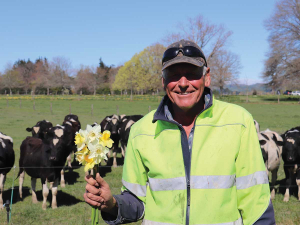
South of the central Hawke’s Bay town of Waipukurau is Taniwha Station – a highly successful 550ha bull beef farming operation.
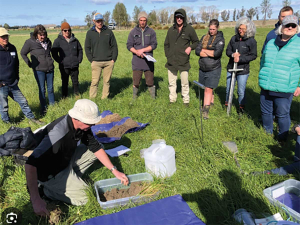
Beef + Lamb NZ funded research has shown that some simple changes to pasture management could help farmers make better use of rainfall and build resilience before dry conditions hit.
OPINION: There could hardly be a more appropriate theme for a conference than the one chosen by the red meat sector - Navigating Volatility.
When Northland leather worker Vernon Suckling started making horse saddles 50 years ago, quad bikes and side-by-side vehicles were unheard of.
Alliance Group has confirmed that eligible farmer-shareholders who supply and continue to back the business will receive up to $20 million later this year, following the strategic investment partnership with Dawn Meats.
With a general election under five weeks away, Rural News is asking major political parties about their policies and positions on key issues facing the primary sector. We will run their responses to each question over the next four weeks. The ACT Party and the Greens didn't respond in time.




OPINION: The same mainstream media muppets that brought you Jacindamania in 2017 have been flat out pimping for the Opportunities…
OPINION: Your old mate reckons the atrocious way farmers in the UK are treated by their lords and masters in…




