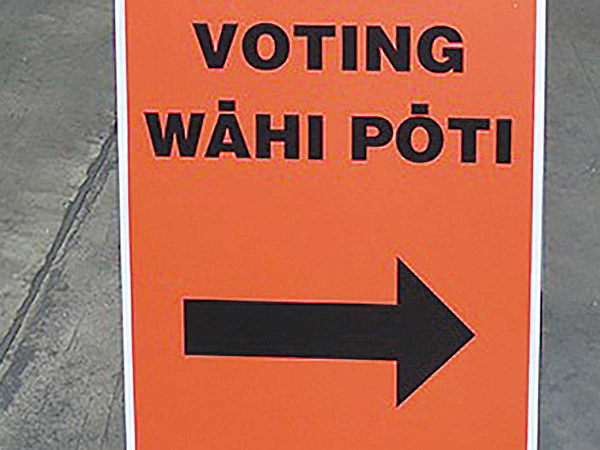
OPINION: With election day only a few days away and advance voting well underway, there appears to be a mood for change in rural and provincial New Zealand.
The last election saw a number of regional seats turn red on the back of Labour's Covid response and the complete disarray that the National Party was in back in September 2020.
However, it is clear that most of the Labour MPs currently occupying these provincial seats will be looking for employment come October 15. There won't be too many tears shed in rural NZ about this.
That's hardly surprising considering the majority of farmers and rural people would view the current Labour Government as one of the worst the primary sector has ever had to deal with.
It has not only been its legislative agenda, that has seen a myriad of costly regulations imposed on the sector, but also the current administration's tin ear when it comes to listening to the concerns expressed by farmers.
The Labour Government's 'we know best' attitude - personified by Environment Minister David Parker and the constant haranguing of farmer by Agriculture Minister Damien O'Connor for daring to criticise the burdensome regulatory regime - will have many farmers waiting with pen in hand at the voting booth to send it a clear message.
It can only be hoped that if a new government is elected, the number of farmer candidates in both National and ACT will bring a more farmer-centric view to government policies directed at the rural sector.
As a Beef + Lamb NZ recent report highlighting the cumulative effects of the Government's environmental reform agenda shows, it has created significant administrative and financial burden for farmers.
As chief executive Sam McIvor says, this report reinforces BLNZ's calls for the new government - no matter which political party wins the general election - to press pause on rules and review current or proposd rules to ensure they're fit for purpose.
The winds of hange appear to be blowing in rural NZ and a likely end to the Labour-led regime of the past six years will not be moured by many in the regional heartland.