NZ ETS Settings Hold Steady Amid Shortfall Warning
The Climate Change Commission has recommended maintaining the current New Zealand Emissions Trading System (NZ ETS) settings but warns of a potential unit shortfall as early as 2028.




 increase font size
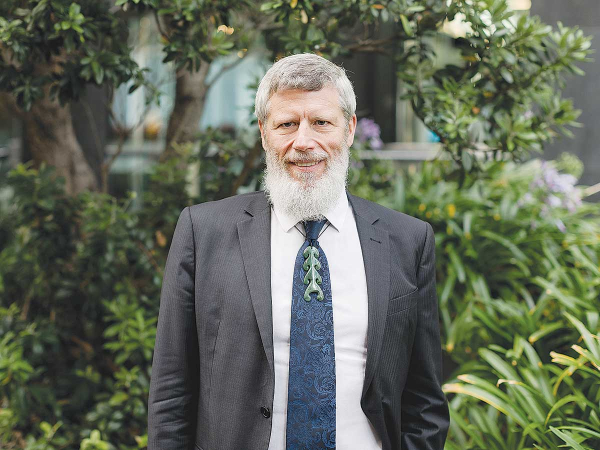 Climate Change Commission Chair Rod Carr
OPINION: Now that submissions have formally closed on the Climate Change Commission's (CCC) draft recommendations, released in February, on reducing NZ's emissions profile, will it actually listen and act on the advice it has received?
It is not hard to get cynical about so-called 'consultation'. With this Government - more often than not - it is merely a box-ticking exercise, with little or no real changes made to its overall political objective.
One only has to look at its freshwater legislation and the negligible changes it made to this following 'industry consultation', for the country's farmers to be rightfully nervouse about what regulations will be imposed upon them in the emissions reductions space.
The CCC's draft advice recommended - among a plethora of changes across the economy - the Government should adopt measures that would hugely reduce livestock number on farms and see more good farmland planted in trees.
A number of primary sector bodies made submissions, including Beef + Lamb NZ (BLNZ), DairyNZ, HortNZ and Irrigation NZ to name a few. All had a common theme: they are supportive of the CCC's desire to reduce NZ's emissions and say they are keen to play their part. However, they also point out that crucial changes must be made to the draft recommendations if the country's all-important agri-sector is to survive and thrive into the future.
Both BLNZ and DairyNZ have rightly questioned the CCC's draft carbon budgets for methane reductions. The farming bodies explain that these will go further than is required in the Zero Carbon Act, effectively increasing the scale of the farm sector's challenge without the "robust science, economic or farm system justification".
Farming organisations have also expressed major concerns about the lackof analysis of the socio-economic and distributional impacts of the CCC's proposals - especially the impacts of land-use changes on rural communities. They also point out that "ensuring food production is not threatened" was a key consideration of the Paris Agreement.
The sector has endorsed the CCC's call for the Government to develop and invest in a "long-term, sustained research and development plan to reduce agricultural emissions and mitigate impacts on-farm".
Overall, the agri-sector has raised pertinent and practical points in its submissions. Now it is time for both the CCC and Government to take on board this advice for the benefit of the sector, the country and the planet.
The Climate Change Commission has recommended maintaining the current New Zealand Emissions Trading System (NZ ETS) settings but warns of a potential unit shortfall as early as 2028.
Matt McRae, a farmer from Mokoreta in Southland who runs a sheep, beef and dairy support business alongside a sheep stud, has been elected to the Beef +Lamb NZ Board as a farmer director.
The Climate Change Commission’s 2025 emissions reduction monitoring report reveals steady progress on the reduction of New Zealand’s climate pollution.
The red meat sector is poised for a strong rebound this season, with export receipts forecast to top $10 billion and farm profitability to almost double.
Progeny testing at Pāmu’s Kepler farm in Southland as part of Beef + Lamb New Zealand’s Informing New Zealand Beef programme is showing that the benefits of hybrid vigour could have a massive impact on the future of beef breeding.
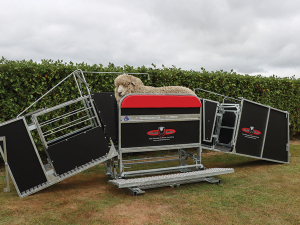
Oamaru-based livestock handling specialist Te Pari has bought Combi Clamp, the New Zealand manufacturer of Combi Clamp manual sheep handlers.
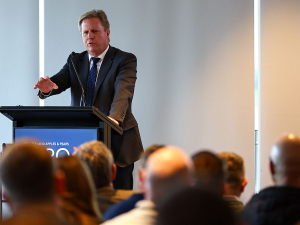
Agriculture Minister Todd McClay has admitted that a scheme bringing workers from Pacific nations to work on orchards has become too hard to navigate but says changes are coming.
A new app designed in New Zealand aims to help sheep, beef and deer farmers capture, analyse and use body condition score data more effectively.
Canterbury farmer Andy Macfarlane has been appointed to the board of AgriZeroNZ, the public-private partnership designed to accelerate the development and deployment of emissions reduction tools for New Zealand farmers.
For over 50 years Mel Ewers has been supporting the apple sector navigate through compliance and quality assurance issues.
The apple sector is enjoying a bumper harvest season.


A fair question has been raised about how member-funded organisations should conduct themselves when taking a public position on any…
OPINION: It really is getting harder to lampoon government bureaucrats when they do such a good job of it themselves.…