
NZ Apple Sector Pushes for Japan & Korea Market Access
The apple sector is working with the Government to unlock access to two key markets that could bring millions in revenue for apple growers.




 increase font size
 Trade and Agriculture Minister Damien O'Connor.
OPINION: Trade Minister Damien O'Connor recently flew of to the UK and Eu in an effort to add some much needed momentum to the glacial pacde of free trade talks currently taking place between NZ and both Britain and Europe.
A big sticking point for any FTA with both is agriculture - with the EU and UK farming sectors highly protected and their farmers extremely adverse to any competition from unsubsidised producers from the antipodes.
It appears we are already on the back foot with a UK FTA conmpared to our trans-Tasman cousings, Australia. The jungle drums are beating that a comprehensive FTA (including agriculture) between Australia and the UK is likely to be announced at the upcoming G7 meeting. This follows a visit to the UK by Australia's trade minister Dan Tehan earlier in the year.
If O'Connor's trip to London was not already tough enough following this likelihood, he also has to contend with growing pressure from the UK's farming lobby on Boris Johnson's government. Recently, National Farmers Union president Minette Batters published an opinion piece in the Mail on Sunday headed: 'You can't level up by throwing our family farms under a bus'.
She mentioned how the UK is currently in trade negotiations with a number of major agricultural producers, including Australia and New Zealand and how these talks have "reached a crucial stage".
"And it's clear that negotiators from Australia and New Zealand are sticking firm to their hard-line demands for the complete removal of tariffs on all their exports to the UK," Batters opined. "This would make life unbearable for small British family farms, which, remember, must respect British laws governing high farm standards."
Batters then claimed it was all but impossible for British farmers to compete with "vast volumes of imports from the southern hemisphere". She then went on to falsely claim that UK producers would have to lower their environmental and animal welfare stands to compete with NZ and Australian produce.
In a highly emotive conclusion, Batters said: "The plain truth is this: removing tariffs for vast, unmanageable volumes of Australian beef or New Zealand lamb - of, God forbid, allowing zero tariffs on all their produce - could spell the end" (of British farming).
That's the attitude O'Connor faces on his trip to London. Good luck, he's going to need it!
The apple sector is working with the Government to unlock access to two key markets that could bring millions in revenue for apple growers.

A miserable budget that didn’t deliver much for anyone.
National's decision to ‘dribble’ information about the NZ/India to Labour contributed to the delay in it deciding to supported the FTA.
When it comes to international trade, politicians from all sides of the aisle are united, says Labour's trade spokesman Damien O'Connor.
OPINION: The new Labour Government in the UK is facing the wrath of farmers. Last week thousands of farmers and their supporters converged in London protesting changes to inheritance tax for farmers announced in the Budget.


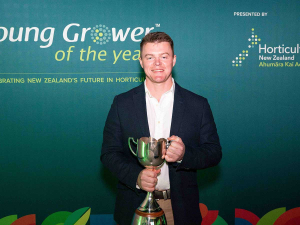
The potato industry is celebrating the success of two rising stars - James Blair, the 2026 Young Grower of the Year and runner-up and innovation award winner, Amber Davy.
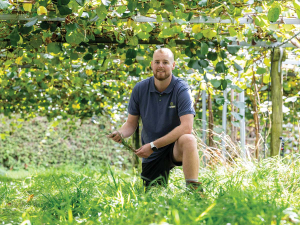
Twenty-eight emerging leaders from across the horticulture sector spent two days last month learning valuable skills and connecting with industry experts.
There are five entrants in this year’s Young Horticulturist of the Year, competing in a series of technical, practical, business and leadership challenges.
A seasoned horticulturist has been appointed to deliver the Apple Action Plan, a key initiative of the India-New Zealand Free Trade Agreement.
New Zealand's citrus growers have been told to compete on the value built into their fruit rather than the volume they grow.
Hawke's Bay fruit growers are being reminded of the need to prepare for whatever the El Niño weather system may bring in the coming months.





OPINION: The same mainstream media muppets that brought you Jacindamania in 2017 have been flat out pimping for the Opportunities…
OPINION: Your old mate reckons the atrocious way farmers in the UK are treated by their lords and masters in…




