
Oz Ag Minister
OPINION: The polls were right. Australia's general election has seen Scott Morrision booted out of office by a Covid-fatigued population looking for change.




 increase font size
 Australia's new Agriculture Minister Murray Watt.
Australian farmers hope that the new Labor Government will help ease chronic worker shortages crippling the agriculture sector.
The issue will now be on the plate of Murray Watt, the new Agriculture Minister.
There is now concern around the future of the Agriculture Visa Programme (Ag Visa), introduced by the former Liberal/National Government with the backing of peak farmer body National Farmers Federation.
During the election campaign, Labor had rejected Ag Visa but had agreed to honour a deal to bring in Vietnamese workers into Australia.
Instead, it plans to extend the established Palm (Pacific Australia Labor Mobility) scheme, effectively cancelling Ag Visa which provides new visa for forestry, fishery, and farm workers targeting workers from south-east Asia.
AUSVEG, Australia's industry body for vegetable and potato growers, says that ensuring the Ag Visa meets the needs of producers is a high priority for the industry. Chief executive Michael Coote says the Ag Visa was designed to be a long-term structural change for the industry to access a more efficient and effective workforce and reduce its reliance on working holiday makers.
"Labor's plan for the Ag Visa leading into the election will limit the pool of workers to those that the industry already had access to through existing seasonal worker programs."
He says they will be advocating with Watt, the new Agriculture Minister, to advocate strongly for the Ag Visa to be extended to increase the pool of workers available to fruit and vegetable growers as a high priority. National Farmers Federation president Fiona Simson says labour shortage tops the list of priorities for farmers.
"The NFF and its members worked tirelessly to develop election priorities to benefit our farmers and all Australians," she says.
Simson welcomed the appointment of Senator Watt a Agriculture Minister. She says farmers will work with the new Labor Government.
Tanya Plibersek is the Minister for Environment and Water, another portfolio critical to farmers.
OPINION: The polls were right. Australia's general election has seen Scott Morrision booted out of office by a Covid-fatigued population looking for change.


Federated Farmers says it welcomes Labour's commitment to reviewing the Sharemilking Agreements Act, calling on other major parties to do the same.
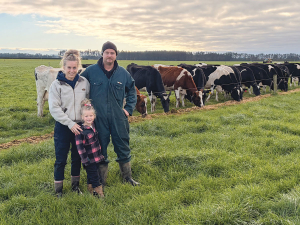
For Canterbury dairy farmers Sian Meijer and Rick Wobben, wearable technology has become one of their most valuable on-farm tools - helping manage 1850 cows across an expansive, high-performing dairy operation while improving efficiency, mating outcomes and day-to-day decision making.
Fonterra has unveiled its annual results for the 2026 financial year, posting $27 billion in revenue and close to $20 billion returned to New Zealand farmer owners and unit holders.
The first major update to the Dairy Cattle Code of Welfare in more than a decade has been released, marking what DairyNZ describes as an important step in ensuring animal welfare standards continue to evolve alongside scientific evidence and on-farm realities.
Ravensdown shareholders have elected Jane Montgomery and Kate Acland to the Ravensdown Board for three-year terms, following a closely contested director election.
Federated Farmers says new legislation replacing the Resource Management Act will cut red tape, unlock investment and help grow New Zealand's export-led economy, after the Planning Bill and Natural Environment Bill passed their third reading in Parliament yesterday.




OPINION: The same mainstream media muppets that brought you Jacindamania in 2017 have been flat out pimping for the Opportunities…
OPINION: Your old mate reckons the atrocious way farmers in the UK are treated by their lords and masters in…




