
China No Longer Just A Commodity Story - Luxon
China remains New Zealand’s biggest market, taking $23 billion of our exports, but it’s no longer a commodity story, says Prime Minister Christopher Luxon.




 increase font size
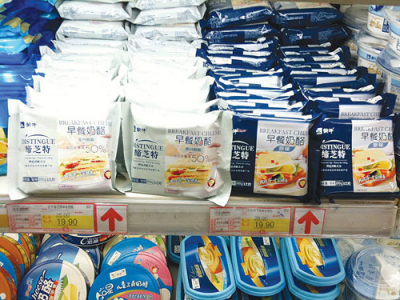 Cheese and yoghurt sales are booming in China.
Yoghurt and cheese have been winning categories in China in recent years, says market intelligence agency Mintel.
Yoghurt has maintained an annual retail sales growth of at least 20% since 2014, and cheese has grown 15 - 25% from 2015 - 17.
And Mintel’s research shows Chinese consumers willingly pay a premium for dairy products with healthy attributes. Imported dairy products are still more popular despite consumers regaining their confidence in domestic milk sources.
Looking ahead, Mintel forecasts the dairy market will grow at 6.6% compound value per year to $79.5 billion in 2022.
Despite consistent sales growth for yoghurt and cheese, Mintel Market Sizes data shows that annual per capita volume consumption of major dairy products remains low compared to other countries. For example, per capita milk consumption in China is 14.3L versus 36.8L in Japan and 51.7L in the US; per capita consumption of yoghurt in China is 3.43kg versus 4.92kg in the US and 9.66kg in Japan; and Chinese consume only 0.02kg of cheese per person versus 1.46kg in Japan and 6.89kg in the US.
Summer Chen, senior food and drink analyst at Mintel, says dairy consumption in China is low compared to Japan, where consumers share a similar dietary tradition to China.
“Mintel research indicates that China’s dairy market growth will be driven by increased consumption, resulting from the expansion of consumption occasion, value increase due to the rising price of raw milk, and consumers trading up to more premium options.
“In the yoghurt market, thanks to the recent craze over ambient yoghurt, the category is now leading not only in China’s dairy market but among all food and drink products.”
In dairy products, health-related factors are the main things consumers are willing to pay more for. Among the four surveyed dairy products (milk, yoghurt, butter and cheese), milk and yoghurt are perceived by consumers to be healthier and more nutritious (51% and 48% respectively), helping to improve immunity (49% and 44% respectively), and also good for kids (51% and 49% respectively) and the elderly (46% and 37% respectively).
In general, urban Chinese consumers prefer dairy products from big (65%) and nationwide (59%) dairy brands. Their attitudes towards local milk sources are divided: 44% believe they are reliable, while 36% believe local milk sources are not reliable. Nevertheless, more consumers prefer imported dairy products (43%) than domestic ones (34%). Even among those who trust local milk sources, 32% prefer imported dairy products.
China remains New Zealand’s biggest market, taking $23 billion of our exports, but it’s no longer a commodity story, says Prime Minister Christopher Luxon.

Fonterra is strengthening its foodservice presence in China with the launch of a new cream for professional bakeries at Bakery China 2026 in Shanghai.
OPINION: What does the birth rate in China have to do with stock trading? Just ask a2 Milk Company.
Additional tariffs introduced by the Chinese Government last month on beef imports should favour New Zealand farmers and exporters.
One of the most galling aspects of the tariffs whacked on our farm exports to the US is the fact that, now more than ever, US farmers are being propped up by government welfare – a direct result of Trump’s hardline on its trading partners.

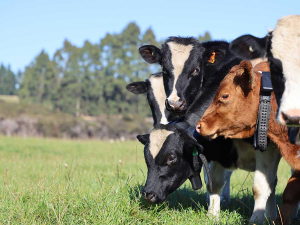
High country stations, mixed sheep and beef farms, Māori-owned farms, corporates and family operations are among the nine commercial farms taking part in the Livestock Innovation Farming Transformation programme, known as LIFT.
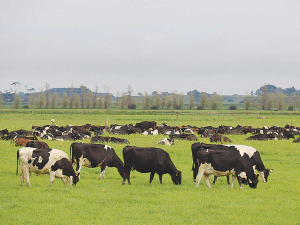
OPINION: New health and safety guidance unveiled by the Government recently provides farmers greater certainty about what is expected of them when managing risks on farm.
The National Animal Welfare Advisory Committee (NAWAC) is seeking public feedback on proposed changes to the Code of Welfare for Rodeos.
A New Zealand initiative supporting farmers to restore the health of grazing landscapes has received international backing through the Regenerative Fund for Nature, a global collaborative fund supporting regenerative agriculture and the communities that produce natural fibres for the fashion industry.
Combine premium New Zealand products, blend in a family ritual and what do you get? A world-class functional drink.
Entries are now open across eleven regions for the 2027 New Zealand Dairy Industry Awards (NZDIA).



OPINION: It seems Canterbury processor Synlait is still in the doldrums.
OPINION: Get offside with New Zealand First leader Winston Peters at your own peril.




