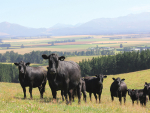
BVD Control Begins Long Before You See A Problem
Bovine Viral Diarrhoea (BVD) is sometimes viewed as a dairy industry issue, but the reality is that the disease can have serious consequences for beef breeding herds as well.




 increase font size
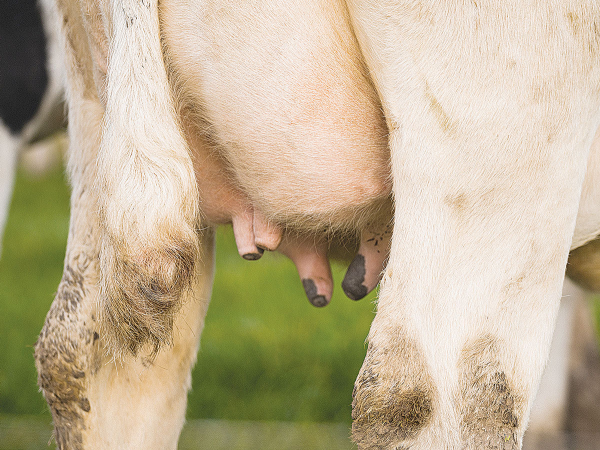 While the majority of phosphorus deficiency is subclinical, even subclinical deficiency can restrict milk production.
We all recognise the symptoms of a classic down cow: dull eyes, sleepy, head down, poor responsiveness.
However, we’re seeing more down cows that are bright in the eye, highly responsive and trying to get on their feet but unable to do so. While these cows go down at similar times to calciumdeficient milk fever cases, they can also occur at other times of the season.
Cows can go down at peak lactation, months after calving, or towards the end of the season, just before dry off. These are ‘crawler’ cows, as they often crawl along the ground, clawing with their front feet in an attempt to get on their feet.
The issue
Crawler cows are usually an indication of a much larger problem which will be affecting the entire herd and is caused by an underlying phosphorus (P) deficiency. This will be a diet-based deficiency, but not necessarily driven solely by phosphorus deficiency in the diet.
Diagnosis - tricky
Phosphorus deficiency can be hard to diagnose through blood analysis. Maintaining adequate phosphorus in the bloodstream is so critical to survival that the body will readily mobilise bone phosphorus stores in order to keep blood phosphorus levels within a tight range.
Blood testing can be useful in diagnosing phosphorus deficiency, however, in my experience, the problem cannot be excluded on the results of a single blood test. We’ve seen many herds respond rapidly to supplemental phosphorus, when only 1-2 cows have shown blood deficiency out of 10-15 samples taken.
I’ve found this issue is better diagnosed by looking at the feed ratios in the diet and calculating the amount of total phosphorus being supplied.
P and high energy diets
Consider the phosphorus energy equation when calculating phosphorus into any ration. Phosphorus drives energy synthesis within the body, high soluble sugars and starches drive additional demand for phosphorus.
We’ve found high soluble sugar in the diets particularly drives much higher requirements for phosphorus. Crops, such as fodder beet, are known to have a high phosphorus requirement due to a combination of low levels in the plant as well as high soluble sugar content. Modern grass cultivars also have very high soluble sugar levels and this can also drive higher demand. While these sources of energy drive good levels of production, it also sets up a much higher dietary requirement for phosphorus.
Availability over quantity
Availability is often more important than quantity when considering phosphorus requirement.
Different phosphorus sources can vary dramatically in availability. Typically, the more soluble the phosphorus source, the less will be needed to meet demand. Phosphorus sources with lower solubility will increase excretion levels. Apart from the cost factor, feeding large amounts of product delivering poor availability is not just a waste of money, it can also impact the environment by increasing the excretion levels.
Reluctance of P supplements
Phosphorus supplementation causes a general nervousness among some vets and farmers. This is largely driven by European research that shows excess levels of phosphorus can potentially increase risks around milk fever. However, this is an issue of balance and is relevant to most elements in the feed.
There are also justifiable concerns around excessive levels of excreted phosphorus finding its way into the environment. Looking at the context of the studies, many northern hemisphere farmers have fed levels far in excess of requirement. However, Kiwi dairy farms commonly supplement at levels that are very low by northern hemisphere standards.
 |
|---|
|
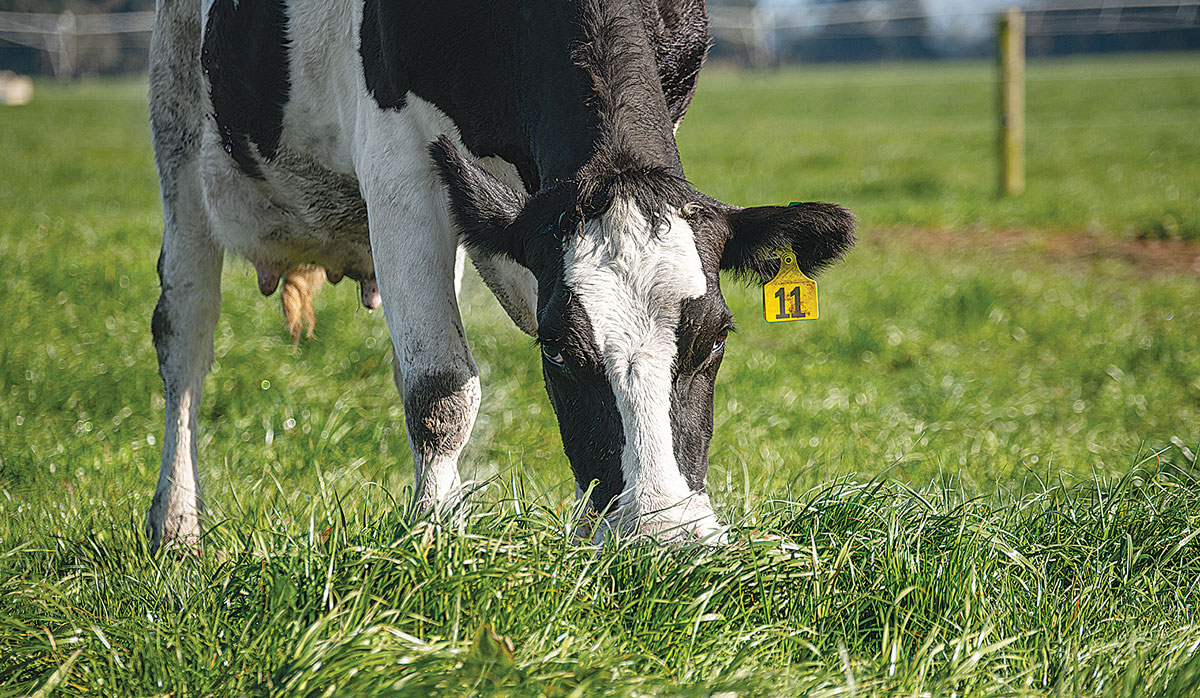
While some grass cultivars help drive good levels of production, it also sets up a much higher dietary requirement for phosphorus. |
European farmers have, in the past, used dicalcium phosphate, which has a lower availability than other forms of phosphorus. Recent research is concentrating on the use of more efficient phosphorus salts with better availability, with a focus on lower levels of excretion into the environment.
Nutrient management programmes have also focused on what is considered over-application onto New Zealand pasture land. Twenty years ago, grass phosphorus levels were commonly in excess of 0.5%, but are now more commonly around 0.35% or less.
Other performance issues
Science has identified phosphorus as a key component in over 400 metabolic processes. Given its importance, a deficiency can affect performance across both production and animal health.
While the majority of phosphorus deficiency is subclinical, even subclinical deficiency can restrict milk production, impact immunity, conception, as well as foetal growth and development. Clinically, phosphorus deficiency can lead to nervous system issues or even a spontaneous breakdown of the red blood cells (haemolytic anaemia), though these two issues are usually not concurrent.
With adequate supplementation, you can ensure you never experience a crawler cow, or the other subtler issues caused by phosphorus deficiency.
Chris Balemi is Agvance Nutrition founder and managing director.
Bovine Viral Diarrhoea (BVD) is sometimes viewed as a dairy industry issue, but the reality is that the disease can have serious consequences for beef breeding herds as well.
By September, pre-mating heat recording is underway on many spring-calving dairy farms.
Animal health company Bovonic is gearing up for its next stage of growth after increasing New Zealand sales of QuadSense by more than 50% in the last 12 months, including a record quarter for the business this year.
With lambing underway in many regions, Beef + Lamb New Zealand is encouraging farmers to put together a wellequipped lambing kit to help minimise lamb losses, particularly in bad weather.
Bovine Viral Diarrhoea (BVD) remains one of the most significant infectious diseases affecting New Zealand dairy herds.


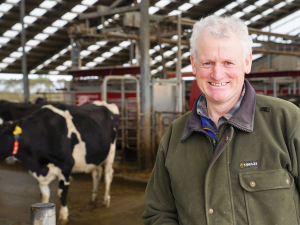
In Dacre, near Invercargill in New Zealand’s South Island, Bruce Dinnington is running a dairy operation unlike any other.

A free online platform aggregating governance vacancies across rural and regional New Zealand has been launched.
Environment Minister Nicola Grigg has announced details of a new rural plastics recycling scheme.
Agricultural drone operators say that a government decision to allow lower-risk drone work without certification won’t lower standards but drive innovation and efficiency.
OPINION: Warning bells are ringing in the arable sector.
Farmgate lamb prices are down by 8%, beef cattle by 4.5% and farm expenditure up by 4.2%.




OPINION: It seems Canterbury processor Synlait is still in the doldrums.
OPINION: Get offside with New Zealand First leader Winston Peters at your own peril.




