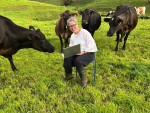
International Day of Rural Women: Two DairyNZ Farmers’ Stories
Today, 15 October, is the International Day of Rural Women, which recognises rural women’s contribution to farming, communities and the environment.




 increase font size
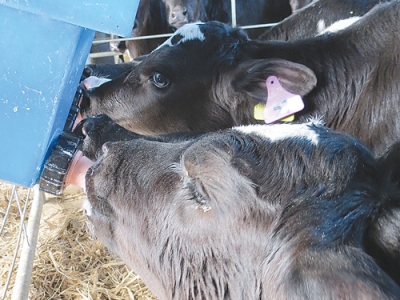 Calves should be fed colostrum, at least for the first four days of life.
To set up a dairy cow for a long, productive life you must give her the best possible start, says DairyNZ.
Extra effort now will pay dividends throughout her milking life.
Heifers that reach target weights make successful milking cows and growing them well starts from the day they are born.
All calves, including bobbies, must receive adequate fresh colostrum within the first 24 hours of life and should be fed colostrum, or a colostrum substitute, for at least the first four days of life.
Always handle calves gently and with care. Do not allow anyone to throw, hit or drag a calf at any time. Electric prodders must not be used on calves.
Calves not with their mothers must be provided with shelter to stay warm and dry.
Calf pens must be fit for purpose and well maintained. Bedding areas must be comfortable, clean and dry, with adequate ventilation but draft free at the calf level. Exposed concrete, bare earth and mud are not acceptable.
Calves should be fed at the same times each day to minimise stress; always ensure calves have access to plenty of fresh water.
Feed calves adequate quantities of good quality feed to rapidly achieve weaning weight with a well-developed rumen.
The calf should drink at least 2L of fresh colostrum during the first six hours of life to get protective antibodies. To achieve this, pick up calves twice a day and give them gold colostrum. Gold colostrum is valuable even if it contains blood or with clotty mastitis milk. It is best fed fresh but may be frozen for up to six months. Thaw/heat in warm water; do not microwave.
Test the level of antibodies in a batch of colostrum using a Brix refractometer, available from a vet, farm supply store or a home brew shop. Brix higher than 22% is best for newborns.
Store colostrum in multiple drums (to reduce risk of loss), in a cool place and out of direct sunlight. Stir twice a day; a colostrum keeper or yoghurt starter, available from supermarkets, can be added to each drum to preserve it.
Health and hygiene
- Scrub all feeding equipment well with hot water and detergent
- Remove sick calves promptly to a designated sick pen
- Frequently clean and disinfect pens where sick calves are treated
- Disinfect hard surfaces
- Ensure bedding is regularly refreshed
- Control the spread of disease by minimising movement between pens. Calves of the same age should stay in the same pen. However, small or unthrifty calves may be better off with a healthy younger group.
- Vaccinate, treat for parasites and provide access to shelter.
Regular checks
- Calves must be checked twice daily for signs of ill-health and treatment given when needed.
- Check for the following:
- Noses clear of discharge, moist and cool
- Calves alert and with responsive ears with no infection around the ear tag
- Navels clear of infection
- Mouths clear of ulcers
- Calves stand and walk normally, i.e. no joint problems
- All calves feeding
- Calves' coats must be shiny and supple
- If you lightly pinch a calf's skin and it is slow to return to normal it may be dehydrated and need electrolytes immediately.
Today, 15 October, is the International Day of Rural Women, which recognises rural women’s contribution to farming, communities and the environment.
The first major update to the Dairy Cattle Code of Welfare in more than a decade has been released, marking what DairyNZ describes as an important step in ensuring animal welfare standards continue to evolve alongside scientific evidence and on-farm realities.
Have a plan in place for your cows and staff.
DairyNZ deputy chair Cameron Henderson has been re-appointed unopposed for another term.
OPINION: The stats speak for themselves.



Federated Farmers has welcomed new rural policies released by ACT, saying they align closely with its own election priorities.

Rural Contractors NZ says proposed changes to land transport rules for agricultural vehicles are a welcome response by the Government to out of date regulations which have seen members hit with huge fines.
Alliance is calling for final applications for its 2027 Graduate Programme, with applications closing on Sunday 25 October.
Decades piloting planes has ensured vet and farmer David Hayes is focused on safety. So, after a serious accident while welding on farm, he is sharing his experience so others can learn from it.
Canterbury milk processor, Synlait Milk has confirmed Leon Fung as its chief executive officer.
OPINION: Making it easier to collect rainwater and use it to grow crops and livestock is a no brainer.




OPINION: It seems Canterbury processor Synlait is still in the doldrums.
OPINION: Get offside with New Zealand First leader Winston Peters at your own peril.




