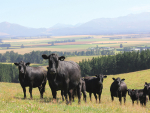
BVD Control Begins Long Before You See A Problem
Bovine Viral Diarrhoea (BVD) is sometimes viewed as a dairy industry issue, but the reality is that the disease can have serious consequences for beef breeding herds as well.




 increase font size
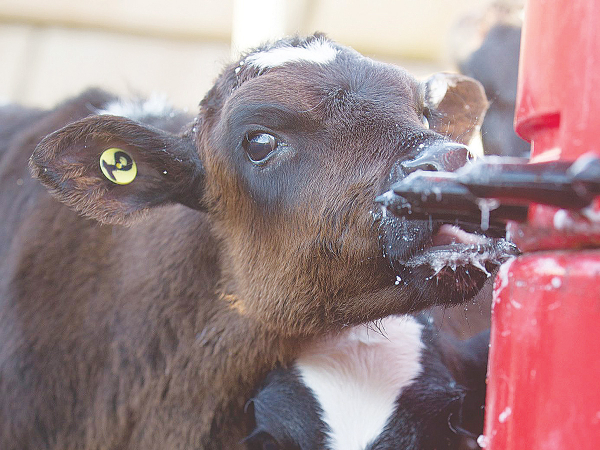 Ensure that all calves are always cared for, including in the paddock and on their way to the calf sheds.
Successful calf rearing starts as soon as the calf is born.
DairyNZ wants farmers to ensure that all calves are always cared for, including in the paddock and on their way to the calf sheds.
It also wants farmers to focus on safety and look after themselves.
“When moving cows and calves, stay safe and don’t turn your back on a newly calved cow.
“Even cows that are usually placid can become aggressive after calving. Keep the calf between you and the cow and don’t take any dogs or children into the calving paddock.
“When lifting calves, bend your knees and keep your back straight. Get assistance if needed.”
It’s important to record all births. Record the following: date, cow (dam) tag number, sex of the calf, alive or dead, calf identity/number, assisted or unassisted calving.
Check the system used on farm for matching cows and calves. If in doubt, checking the breeding information can help; is the cow due? When was the mating date? Does the breed match the bull/sire?
Temporary identification tags can be used for newborn calves in the paddock, like elastic neckbands with tags. Once back in the shed, proper tags can be put on in an environment that is clean and dry. If tagging in the paddock, ensure that the calf’s ear is clean, dry, and disinfected.
Look out for at-risk calves. Calves that had a difficult birth or that are born in poor weather are more likely to have trouble standing and suckling. Identify high risk calves as soon as possible, record their numbers, and bring them to the calf shed to get warm and have a good feed of colostrum.
To prevent navel infection, spray navels of newborn calves in the paddock and on arrival at the shed. Completely spray or dip the navel with iodine. Don’t use teat spray as the glycerine in teat spray can keep navels soft and moist.
Bringing calves from the paddock to the shed: good practice is to pick up newborn calves from the paddock twice daily to bring them to a warm, clean environment and ensure they get enough gold colostrum in the first hours of life.
The trailer used for picking up calves should be cleaned and disinfected regularly. To make transport safer for calves, AstroTurf or another easily cleaned, non-slip material can be used in the bottom of the trailer. Don’t overload the trailer – there should be enough room so that all calves can lie down comfortably. Make two trips if there is not enough room. Calves move around easily so travel at walking pace.
Fit for Travel
Eight things calves need in order to be fit for transport:
Bovine Viral Diarrhoea (BVD) is sometimes viewed as a dairy industry issue, but the reality is that the disease can have serious consequences for beef breeding herds as well.

Good Calf shed hygiene has always been about providing clean, dry bedding.
DairyNZ deputy chair Cameron Henderson has been re-appointed unopposed for another term.
OPINION: The stats speak for themselves.
Farms across the upper North Island are trialling different pasture mixes as part of a research programme that aims to build greater resilience into farming systems.


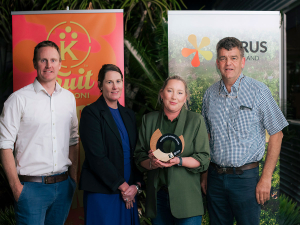
New Zealand's citrus growers were challenged to build their future on the value embedded in their fruit rather than the volume they produce, at Citrus New Zealand's annual gathering in Gisborne on 17 September.
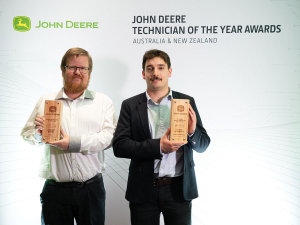
Leading John Deere technicians and apprentices from New Zealand and Australians were recognised at the recent sixth annual JD Technician of the Year Awards, held in Brisbane.
In Dacre, near Invercargill in New Zealand’s South Island, Bruce Dinnington is running a dairy operation unlike any other.
A free online platform aggregating governance vacancies across rural and regional New Zealand has been launched.
Environment Minister Nicola Grigg has announced details of a new rural plastics recycling scheme.
Agricultural drone operators say that a government decision to allow lower-risk drone work without certification won’t lower standards but drive innovation and efficiency.


OPINION: It seems Canterbury processor Synlait is still in the doldrums.
OPINION: Get offside with New Zealand First leader Winston Peters at your own peril.




