Southland Farmer Faces $120k Lamb Loss After Wet Spring
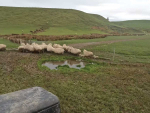
Southland's wet winter and spring will potentially cost Wyndham sheep and beef farmer Ben Dooley between $100,000 and $120,000 in lamb losses.




 increase font size
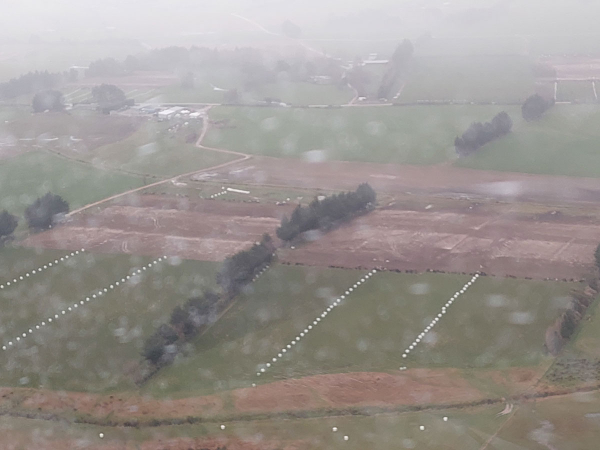 A recent surveillance flight showed farmers are well-prepared for the season.
A recent surveillance flight over the Southland region has shown farmers in the region are well-prepared for the season, according to the local regional council.
The flight focused on the Mataura and upper Oreti catchments, with only three landowners identified as having potential issues that required a closer look on-farm. “I’m really pleased with what the team has seen,” says Environment Southland chief executive Rob Phillips.
He says the surveillance flights help to reinforce the idea that what is seen from the road isn’t always reflective of on-farm rule breaches and environmental damage.
“Farmers are working hard and understanding the situation and making a real effort to improve things,” he says. “This sustained improvement is something that Southland, as a whole, can be proud of.”
One area noted from the flight that could be improved was the grazing of buffers. Phillips says the team noticed that while good buffers were in place, some had been grazed.
“Its important buffers are left ungrazed to remain an effective tool for reducing sediment getting to waterways.”
He says while wet weather is inevitable and presents several challenges, it is critical for farmers to continue to focus on good wintering practice and not become complacent.
Phillips says agriculture in Southland is very important to the regional and national economies, but some farming practices – if done incorrectly or not done well – negatively impact water quality.
“Winter grazing is recognised as a high risk activity with regard to water quality and a lot of effort has gone into providing advice and information to help farmers understand what is expected of them.”
Acting compliance manager for Environment Southland, Glen McMurdo, told Dairy News that, when flying, the team is looking for good farm practices in terms of intensive winter grazing, as listed in their rules.
“This includes location of winter crop paddocks, strategic grazing, buffer zones from waterways, transportable water troughs, portable feeders and careful management of critical source areas,” McMurdo says.
“We also check for discharges or likely discharges to land or water, and any other instances where regional rules or NES regulations may be breached.”
Southland's wet winter and spring will potentially cost Wyndham sheep and beef farmer Ben Dooley between $100,000 and $120,000 in lamb losses.

Managing feed by sticking to a firm plan has helped the Southern Dairy Hub (SDH) demonstration farm survive an extremely wet winter, says the farm's acting general manager Greg Delaney.
Farmers across parts of Southland and South Otago are continuing to deal with difficult conditions after a prolonged run of wet weather, with pressure building around feed supply, stock management, pasture damage, farm infrastructure and everyday workloads.
In Dacre, near Invercargill in New Zealand’s South Island, Bruce Dinnington is running a dairy operation unlike any other.
OPINION: The stats speak for themselves.



Federated Farmers has welcomed new rural policies released by ACT, saying they align closely with its own election priorities.

Rural Contractors NZ says proposed changes to land transport rules for agricultural vehicles are a welcome response by the Government to out of date regulations which have seen members hit with huge fines.
Alliance is calling for final applications for its 2027 Graduate Programme, with applications closing on Sunday 25 October.
Decades piloting planes has ensured vet and farmer David Hayes is focused on safety. So, after a serious accident while welding on farm, he is sharing his experience so others can learn from it.
Canterbury milk processor, Synlait Milk has confirmed Leon Fung as its chief executive officer.
OPINION: Making it easier to collect rainwater and use it to grow crops and livestock is a no brainer.


OPINION: It seems Canterbury processor Synlait is still in the doldrums.
OPINION: Get offside with New Zealand First leader Winston Peters at your own peril.




