More added value the future
Why would we, as a country, produce low value meat alternatives to stuff in a hamburger for a fast food chain to feed to overweight, disinterested consumers?




 increase font size

DAIRY AND cropping farmers are being encouraged to develop better business relationships and understand each other’s position when dealing in grain.
To that end the Foundation of Arable Research (FAR), with Dairy NZ support, last week held a seminar in Gore, the first such event in Southland. It follows two similar meetings in Canterbury and FAR plans to run two North Island meetings, most likely in Manawatu and Waikato.
“The aim is to try and encourage good business relations between dairy and cropping farmers, informing dairy farmers about the quality and attributes of grain, and cropping farmers about what dairy farmers are trying to do with it,” FAR chief executive Nick Pyke, told Dairy News.
That’s echoed by DairyNZ developer in productivity, Steve Lee, who spoke at the Gore seminar.
“The event was about helping dairy and arable farmers to form business relationships and contractual-type arrangements to buy and sell grain.”
Developing longer-term supply arrangements will benefit both parties, says Lee. While the dairy farmer may not always get the cheapest deal on the day, he or she will have security of supply and avoid spikes in price should a shortage develop.
Quality control should be easier too. Lee says when buying look for a uniform sample and get an ME test done.
“You need to be checking every line you buy and recalibrate the rollers to make sure they’re doing a decent job and you’re not just feeding the ducks.”
High screenings mean rollers need to be screwed down to crack the small grains and prevent them going straight through the animal, but in doing so larger grain gets pulverised, wasting energy and increasing the risk of acidosis.
“You need to set the mill to just crack the grain. You don’t want to over mill it.”
Taking a sample for an ME test needs to be done carefully to ensure it’s representative, but compared to the cost of feeding 200t or so of grain, spending $80 to get an ME result is “a no-brainer”, he adds.
“It gives you that bit more information which will allow you to be more enlightened about what you are doing. You do see some variation in grain quality and if you have [the ME value] it just makes it easier to get feed allocation right.”
It can also be used to make informed cost comparisons with other – typically lower-ME – feeds such as silage or PKE, but in making such comparisons realistic estimates of waste for the alternatives must be factored in.
“One of grain’s real strengths is it needs to go through a feed system in the shed so you can control the intake and there’s very low wasteage. With silage there might be 25% waste, or a whole lot worse in bad conditions, whereas with grain you can budget on 5% waste and if it’s well managed it can be well under that.”
The seminar also covered market information sources, such as the quarterly Arable Industry Marketing Initiative (AIMI) grain report and Australian grains website Profarmer, and advice on setting up contracts.
Lee says about 25 farmers attended, mostly cropping, but at a subsequent DairyNZ meeting in the region several dairy farmers he spoke to said with hindsight maybe they should have gone.
“Most new sheds in Southland have a feed system fitted and a number are putting in feeders, particularly in the wake of the snow last season.”
Why would we, as a country, produce low value meat alternatives to stuff in a hamburger for a fast food chain to feed to overweight, disinterested consumers?

Eat your heart out dairy farmers: even if your pasture is the best in the country it won’t come close to amassing the feed/day a cereal crop can, judging by Foundation of Arable Research (FAR) findings.
FOUNDATION FOR Arable Research chief executive Nick Pyke says over 600 people attended the organisation’s flagship biennial event Crops 2014 – more than any previous FAR industry event.
DAIRY FARMERS with irrigators at risk of wind damage might soon have a solution thanks to the levy investment of their cropping counterparts.
NO FUNGICIDE input will create yield: all you can do is limit the loss of potential output.

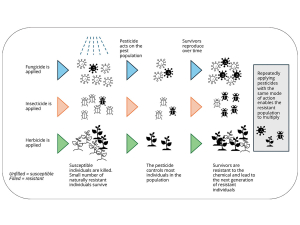
Growers and farmers are being encouraged to have an important conversation before the coming season starts: how to prolong the effectiveness of the crop protection tools they rely on.

A new digital assistant is now helping Ballance Agri-Nutrients farmers speed up nutrient information and ordering.
New Zealand apple and pear industry stakeholders are out in force for the annual conference in Queenstown.
Cameron Reed lives between two worlds.
Improving health and safety is about incremental gain rather than a sudden decision, says Leeston farmer and Federated Farmers health and safety spokesman David Birkett.
OPINION: Alistair Carmichael raises some interesting questions about striking a balance between profitability in farming and preserving the character of rural communities.
OPINION: City and regional councils have been put on notice - stop using extreme climate forecasting scenarios that can drive…
OPINION: The Green Party’s rivers and oceans policy may have a new name but nothing else has changed.