Environment Southland Urges Vigilance After New Old Man's Beard Infestation Found Near Dipton
Environment Southland is calling on residents to be vigilant and check their properties after a new Old Man's Beard site was discovered near Dipton.




 increase font size
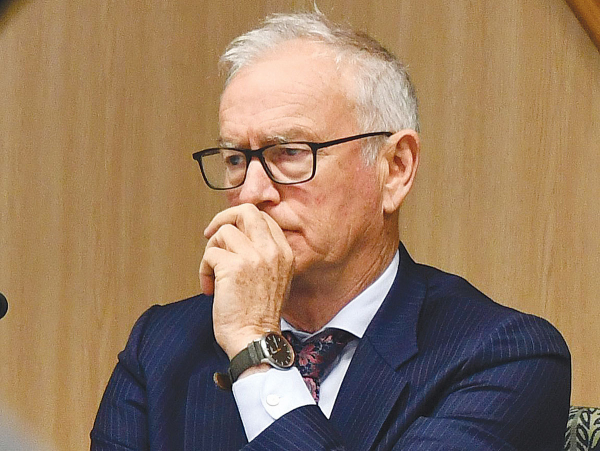 Outgoing Environment Southland chief executive Rob Phillips.
The relationship between council and farmers is important, says outgoing Environment Southland chief executive Rob Phillips.
“I’ve always had a clear view that… we’ve got some regulatory responsibilities but actually we are focused on improving outcomes, we can’t do that without a good relationship with farmers,” Phillips told Dairy News after announcing that he will retire from the role in May.
That relationship hasn’t been without its tensions with some farmers, he says, but overall it’s been a positive one.
“I think if you look at some of the things we’ve done, we’ve changed our compliance activities, putting some emphasis on shed talks and those types of things.”
Phillips says he believes education has played a ‘real part’ in the relationship between ES and farmers.
“We’re also making sure that staff work with farmers and other consent holders to understand their consent conditions when they’re applying for things,” he says.
“If you look at what we’re doing around intensive winter grazing – our rural community and the region has done really well in terms of changing our wintering practices, and that’s happened really quickly,” he says.
The winter grazing regulations came into effect in Southland almost three years ago in May 2019.
“We’ve seen a real significant shift in improvement and that’s through us working with industry and farmer groups to do that.
“That hasn’t happened on its own,” he says, adding that there is still work to be done.
“I’m not saying we’re relaxed because we’ve got another winter coming up.”
Phillips also highlights the efforts made by ES and landowners around Velvetleaf in 2016.
“We worked initially with MPI [Ministry for Primary Industries] but then on our own with farmer groups… to actually get out there and inspect the paddocks effected and we actually spent a lot of money and a lot of time doing that, and that was a really collaborative effort.”
He says the region has been “really lucky” because the hard work that went into those biosecurity efforts have paid off.
“We have really low reinfestation here, we’re not seeing much Velvetleaf at all which is pretty amazing.”
He says another key relationship for ES has been with Rural Support Trusts in the region.
“We formed a real close bond during the floods of two years ago,” he says, adding the floods of February 2020 seem like a “distant memory” now.
“That was the biggest flood we’ve ever had on record. Our stock banks stood the test of time and largely kept the water in, but we had Rural Support Trust on site.
“We worked closely with them through that process as they worked with farmers, they got a sense of the things we were working on so that was an excellent effort,” he says.
Phillips will end his 10-year tenure as chief executive in May 2022 but will continue with his governance roles, including as co-chair of the Bio- Heritage Challenge and as ES’s appointed representative on the board of Predator Free Rakiura.
Environment Southland is calling on residents to be vigilant and check their properties after a new Old Man's Beard site was discovered near Dipton.

Southland farmers staring down a May deadline to submit freshwater farm plans under current regional plan rules have been given an 18-month reprieve by the Government.
Southland farmers are being encouraged to get ahead of the winter grazing season by attending a practical field day in Pukerau next week.
Environment Southland is welcoming this week’s decision by the Environmental Protection Authority (EPA) to approve the release of Blaptea elguetai, a leaf‑feeding beetle that will help control the highly invasive Chilean flame creeper.
Environment Southland is inviting feedback on two bylaws that play a critical role in safeguarding the region's waterways and ensuring the safety of the local community.

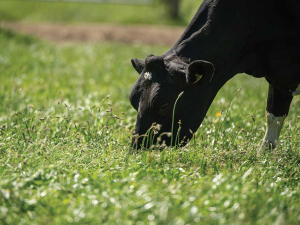
Farms across the upper North Island are trialling different pasture mixes as part of a research programme that aims to build greater resilience into farming systems.
Election years are always a concerning time for farmers, according to DairyNZ chair Tracy Brown.
The Ballance Farm Environment Awards are coming to the West Coast of the South Island.
Most dairy regions around the country have had a pretty good season so far says Tracy Brown.
Rural leader Mark Hooper has been appointed as an independent director to the NZPork board, bringing extensive farming, governance and advocacy experience to the role.



OPINION: It seems Canterbury processor Synlait is still in the doldrums.
OPINION: Get offside with New Zealand First leader Winston Peters at your own peril.