M.I.A.
OPINION: The previous government spent too much during the Covid-19 pandemic, despite warnings from officials, according to a briefing released by the Treasury.




 increase font size
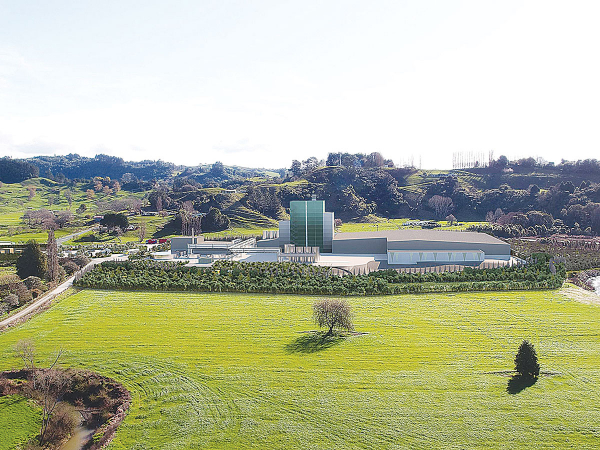 An artist’s impression of the proposed new Happy Valley Nutrition plant at Otorohanga.
Covid is being blamed for delaying the construction of Waikato's newest milk plant.
Happy Valley Nutrition (HVN) says it has been unable to secure funding for the new plant as a result of disruption caused by the pandemic.
The company had hoped to commission the new plant at Otorohanga in 2023.
In a filing with the Australian Stock Exchange two weeks ago, HVN says it is continuing discussions with a range of parties to secure the debt and equity funding required to commence the main construction programme.
"Given the current Covid-19 related business disruptions, the company believes it is unlikely to secure the necessary equity financing within the timeframe as planned.
"As a result, the company has decided to delay the commencement of the facility construction until sufficient capital has been raised."
A 6ha site is being prepared for the new plant that will produce high value specialty dairy ingredient powders for export markets.
The project has been in the pipeline for several years as HVN sought resource consents and funding. Covid has also affected earthworks at the site. The Otorohanga region has been under Level 3 lockdown and earthworks have been temporarily suspended.
The company hopes earthworks will be completed in the coming months.
HVN plans to develop a single dryer facility with the site master-planned to allow for the addition of an extra drier as well as a blending and canning plant.
The company recently signed a third conditional supply agreement with a respected European multi-national distributor of dairy products for the supply of nutritional milk powders and anhydrous milk fat (AMF). As a result, 34% of the spray drying plant's production total capacity and 50% of AMF production capacity has now been committed, it says.
HVN chief executive Greg Wood says its strategy of offering manufacturing capability that caters for a range of milk and ingredient types to align with customer formulation needs, at a cost-effective price point, is resonating with a range of potential customers.
"We are able to offer this product-mix capability through innovative design and modelling of the plant, which is not typically available on existing infrastructure."
OPINION: The previous government spent too much during the Covid-19 pandemic, despite warnings from officials, according to a briefing released by the Treasury.
OPINION: Labour leader Chris 'Chippy' Hipkins is carrying on the world-class gaslighting of the nation that he and his cohorts started after their disastrous Covid response; now trying to undermine the Covid inquiry to protect his own backside.
OPINION: Did former PM Jacinda Ardern get fawning reviews for her book?
OPINION: Welcome to the second annual NZ Dairy Expo at Matamata – an event created to bring together the best of the New Zealand dairy industry in a focused, grassroots environment where dairy farmers and rural professionals can meet, talk, compare products, and make smart decisions for their farms.
It's a bloody tough year for sheep farmers, but the worst may be over, and the future looks optimistic.


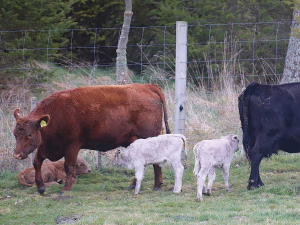
A major move is about to get underway to improve the quality and viability of dairy beef and cattle in NZ.
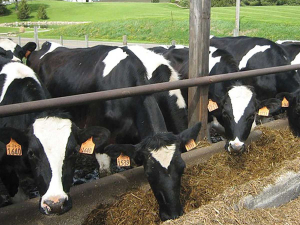
Veterinarians say changes to the code of welfare for dairy cattle provides a positive foundation for improved cattle welfare across the country.
Today, 15 October, is the International Day of Rural Women, which recognises rural women’s contribution to farming, communities and the environment.
Global dairy giant Lactalis has integrated its Australian operations with the Mainland Dairy consumer business it acquired from Fonterra earlier this year.
After almost two decades of sharemilking, saving and building equity, Aaron and Marcia Flay this year realised their long-held dream of settling on their first dairy farm.
Good medium to long term prospects for NZ beef, especially in the US, has heighted the focus on various initiatives to capitalise on this situation.

OPINION: It seems Canterbury processor Synlait is still in the doldrums.
OPINION: Get offside with New Zealand First leader Winston Peters at your own peril.