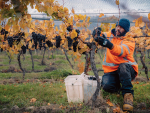
SWNZ Strengthens People Pillar for Global Markets
With ethical employment practices a "hot topic" in key markets, Sustainable Winegrowing New Zealand (SWNZ) is strengthening its People Pillar.




 increase font size
 National’s ag spokesperson David Bennett.
With thousands of migrant visas set to expire, National’s ag spokesperson David Bennett is urging the Government to act quickly to avoid a potential labour shortage for the calving season.
“There are currently 588 migrants on level 1 essential skills visas and a further 2566 on level 5 essential skills visas that are set to expire between the beginning of July and the end of September,” says Bennett.
“This is only counting those currently employed on dairy farms. There are thousands more migrant workers facing visa expiries across New Zealand’s primary industries,”
Bennett says these migrant workers are invaluable and farmers need continuity of employment as they head into calving season.
He says dairy farmers need assurance from the Government that they won’t be left in the lurch.
“Many of these visas expire from the 9th of July so the Government needs to move quickly to provide dairy farmers assurance that they will not be facing a labour shortage during an already difficult season.
“Migrant workers are a valuable part of New Zealand’s dairy industry and the wider primary sector. The Government needs to support these workers and their employers.”
With ethical employment practices a "hot topic" in key markets, Sustainable Winegrowing New Zealand (SWNZ) is strengthening its People Pillar.

OPINION: Farmers have been clear: it is getting harder, not easier, to find and keep good people.
OPINION: The previous government spent too much during the Covid-19 pandemic, despite warnings from officials, according to a briefing released by the Treasury.
OPINION: Labour leader Chris 'Chippy' Hipkins is carrying on the world-class gaslighting of the nation that he and his cohorts started after their disastrous Covid response; now trying to undermine the Covid inquiry to protect his own backside.
OPINION: Did former PM Jacinda Ardern get fawning reviews for her book?


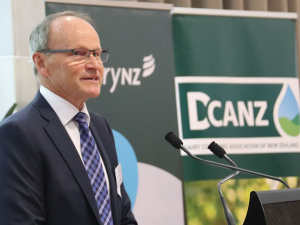
Dairy processors are ready to further boost New Zealand’s export earnings but want the incoming government to match their ambition with good policy.
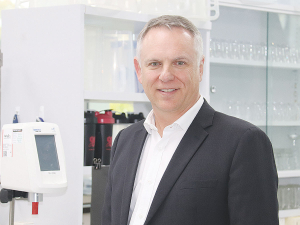
Massey University is best placed to solve the “problems” facing the dairy industry, says vice chancellor, Pierre Venter.
Synlait's longest serving employee – a man who joined the Canterbury-based milk processor even before it began processing milk – is now its newest executive.
A dairy industry leader believes eradicating the common and costly disease, Bovine Viral Diarrhoea (BVD) is within reach.
A farmgate milk price of $10/kgMS this season is firming up as milk powder prices soar and the New Zealand dollar weakens.
Federated Farmers has welcomed new rural policies released by ACT, saying they align closely with its own election priorities.




OPINION: It seems Canterbury processor Synlait is still in the doldrums.
OPINION: Get offside with New Zealand First leader Winston Peters at your own peril.




