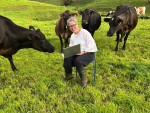
International Day of Rural Women: Two DairyNZ Farmers’ Stories
Today, 15 October, is the International Day of Rural Women, which recognises rural women’s contribution to farming, communities and the environment.




 increase font size
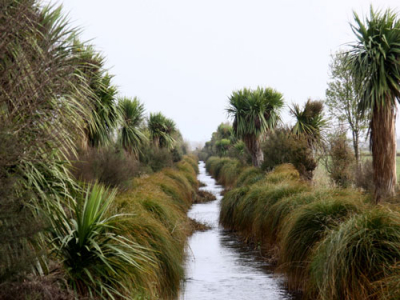
DairyNZ says the new stock exclusion requirements in the Government’s new Clean Water policy for dairy cattle is a strong endorsement of the hard work farmers have done on their farms to protect waterways.
DairyNZ chief executive Tim Mackle says the on-farm fencing requirements in the new rules have already been met by 97.1% of dairy farmers around the country, and the target by May, a month ahead of the new requirements, is to be 100%, with all waterways running through dairy farms will be fenced off and all stock crossings bridged.
“This means that right now very few dairy cattle have any access to waterways, and in just two months’ time no dairy cattle – that’s zero dairy cattle – should have access to waterways on our farms.”
The Government’s plan includes setting a target for 90% of rivers and lakes to be swimmable by 2040 and 56,000 km of more fences to protect waterways from stock...
Mackle says fencing – currently 27,109 kms – is always set back a healthy distance from waterways, varying from farm to farm depending on the soil type and contour of the land.
“This ensures the optimum levels of bacteria, nutrients and sediment are filtered. Farmers also keep cows off sensitive areas in the vicinity of the fenced waterways, for example, in wet weather.”
“There’s still a way to go in some areas, and dairy farmers are well aware of that. We acknowledge that improving New Zealand waterways is a long journey, as today’s announcement recognises. The good news is dairy farmers around the country are leading the way in protecting freshwater on their farms.
“Our dairy farmers can be immensely proud of the work they are undertaking for the environment on their farms, and many are also doing work to improve their surrounding communities – and all New Zealanders, whether they are living in towns and cities, or in rural communities, can also be proud of the efforts of our dairy farmers,” says Mackle.
As part of their commitment to the environment, dairy farmers are also planting vegetation along waterways, and using native plants such as manuka, cabbage trees and flaxes, as well as native grasses, that have superior ability to filter and slow run-off, he says.
“Added to this, all dairy farms now have dedicated effluent management systems with effluent ponds, just like towns around the country. Areas such as the dairy shed and yards drain directly into these systems where the effluent is stored and later used by farmers to fertilise their land.
“It’s also encouraging to see the rates of dairy effluent related prosecutions and abatement notices continuing to decline dramatically, and an improvement in overall effluent non-compliance, which is the lowest it has been in recent years.”
Over the past three years farmers have invested over $1 billion dollars in environmental protection measures, he says.
Today, 15 October, is the International Day of Rural Women, which recognises rural women’s contribution to farming, communities and the environment.
The first major update to the Dairy Cattle Code of Welfare in more than a decade has been released, marking what DairyNZ describes as an important step in ensuring animal welfare standards continue to evolve alongside scientific evidence and on-farm realities.
Have a plan in place for your cows and staff.
DairyNZ deputy chair Cameron Henderson has been re-appointed unopposed for another term.
OPINION: The stats speak for themselves.


Federated Farmers has welcomed new rural policies released by ACT, saying they align closely with its own election priorities.

Rural Contractors NZ says proposed changes to land transport rules for agricultural vehicles are a welcome response by the Government to out of date regulations which have seen members hit with huge fines.
Alliance is calling for final applications for its 2027 Graduate Programme, with applications closing on Sunday 25 October.
Decades piloting planes has ensured vet and farmer David Hayes is focused on safety. So, after a serious accident while welding on farm, he is sharing his experience so others can learn from it.
Canterbury milk processor, Synlait Milk has confirmed Leon Fung as its chief executive officer.
OPINION: Making it easier to collect rainwater and use it to grow crops and livestock is a no brainer.



OPINION: It seems Canterbury processor Synlait is still in the doldrums.
OPINION: Get offside with New Zealand First leader Winston Peters at your own peril.




