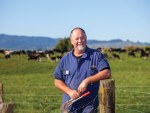
DairyNZ chair Tracy Brown has waded into the debate around soaring butter prices, pointing out that the demand for dairy overseas dictates the price to farmers and at the supermarket.
In an op-ed issued by DairyNZ, Brown says it's unique New Zealand story - when an export does well, it's good for the economy but unfortunately tough for locals.
"Cyclical food price stories are a reminder that 95% of our dairy products are exported, which means we pay international prices locally," she says.
"I buy butter too, so I can appreciate that double edge very well, as can ever dairy farmer across New Zealand. Every farmer can also appreciate the increasing cost of farming inputs, which puts pressure on our margins as well."
Butter prices have dominated news headlines with Fonterra under pressure to explain why New Zealanders have to pay exorbitant prices for butter produced locally.
Brown says while these stories come and go, they remind us of what we're good at as a country.
"We earn our living on exports - mostly food and fibre and of those, mostly dairy. $27 billion over the past year alone.
Read More:
"That's income for the Government in tax take, which gives us the public services we rely on like our schools, our hospitals, and our roads.
"We received a cheeky thank you from an MP at our Farmers Forum recently for the extra addition to their tax coffers this year as the sector delivers well for the country," she says.
New Zealand's economic recovery is being led out of the regions, by the 360,000 people working in the primary sector, of which 50,000 work in dairy, in a country of over 5 million.
Brown says that's been the case before and it will be the case again.
New Zealand dairy farmers have tackled challenges head on over the past decade, including biosecurity incursions, more extreme weather events and regulatory uncertainty.
Over the past decade too significant strides have been made on reducing environmental footprint to ensure we remain competitive among the most sustainable and low-emissions farmers on the planet.
All of this equals demand for NZ dairy on the world stage, Brown says.
"It also ensures we benefit from a growing global appetite for more natural and nutritional food and fibre that comes from responsible sources.
"I recall it wasn't that that long ago that butter was very unfashionable and deemed unhealthy, and so it follows that the swing back to more natural products has driven the increased demand and subsequent increase in price.
"While the world shouts for our butter, let's remind ourselves at home the reasons why New Zealand dairy is a world-class exemplar and so in demand:
- We export most of what we produce - so we are exposed to world trade and must be customer focused.
- We are primarily family businesses and farmer-owned cooperatives - and that drives values-led innovation.
- We have a temperate climate where we grow pasture well - and that is the ultimate starting point for this story.
- We are unsubsidised. We have to make a living at world prices competing against the best.
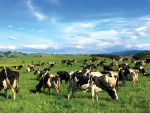
"Therefore, our pasture-based dairy farming system delivers highly nutritious milk, with a comparably low environmental footprint, and happy cows who graze outdoors.
"A story that has clearly spread around the world," says Brown.