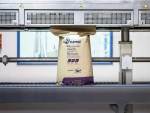
Milk Powder Prices Prop Up Farmgate Milk Price
Milk powder prices are keeping farmgate prices up, helping processors offset the dip in milk fat prices.




 increase font size
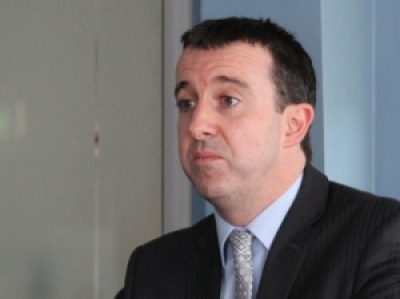 ASB rural economist Nathan Penny.
EU milk production growth is slowing, says ASB's rural economist Nathan Penny.
And the conditions for the dairy price cycle turning are falling into place, he says.
EU farmers, like their NZ counterparts, are feeling the pinch from low milk prices.
"Certainly post-quota, EU production surged. But the reality of a low global milk prices has soon replaced the post-quota euphoria," he says.
He says global prices are likely to recover this year as EU production growth slows further. In particular, with NZ production likely to fall and Chinese demand improving, the conditions for the dairy price cycle turning are falling into place.
Penny says in EU milk production terms, comparing milk production pre and post the quota removal, using annual changes, is dairy's equivalent of comparing apples with oranges. In an attempt to skirt the issues ASB has focused on comparing the months, on a like-for-like basis, post the removal of EU production quotas.
The seasonally-adjusted data clearly show three things:
In official EU data, this third point gets lost – as a result, annual comparisons overstate the recent trends in EU production growth, he says.
For example, the EU Commission shows that April 2015 to January 2016 was around 4% higher than the same period a year earlier. In comparison, annualising the seasonally-adjusted data over recent months shows that EU production is falling or at best flat.
"Moreover, with most dairy market buyers unware of this data disconnect, we expect some to be caught short of supply later this year. And as this happens global dairy prices are likely to climb."
Penny says this data supports the bank's long-held view that dairy cycle will turn this
He says EU production surged after the removal of quotas, with April production lifting over 3% on a month-on-month basis.
However, this post-quota surge has passed. Production growth has slowed, particularly since July, as farmers have struggled with low milk prices.
In official EU data, this third point gets lost – as a result, annual comparisons overstate the recent trends in EU production growth. For example, the EU Commission shows that April 2015 to January 2016 was around 4% higher than the same period a year earlier. In comparison, annualising the seasonally-adjusted data over recent months shows that EU production is falling or at best flat.
Moreover, with most dairy market buyers unware of this data disconnect, we expect some to be caught short of supply later this year. And as this happens global dairy prices are likely to climb.
Implications
These data support our long-held view that dairy cycle will turn this year. In particular, with NZ and EU production growth likely to further weaken this year and Chinese demand improving, the necessary conditions for the recovery in global dairy prices are gradually falling into place.
Milk powder prices are keeping farmgate prices up, helping processors offset the dip in milk fat prices.
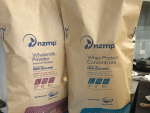
A milk glut around the world shows no sign of easing, putting downward pressure on farmgate milk prices for the next few months.
RaboResearch senior analyst Emma Higgins expects the 2026/27 dairy season to be another profitable one.
OPINION: The good news keeps getting better for NZ dairy farmers.
Buyers trying to secure supply are keeping dairy prices at elevated levels.


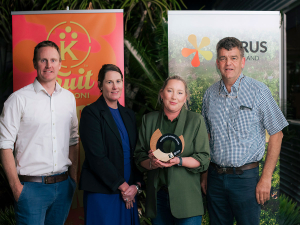
New Zealand's citrus growers were challenged to build their future on the value embedded in their fruit rather than the volume they produce, at Citrus New Zealand's annual gathering in Gisborne on 17 September.
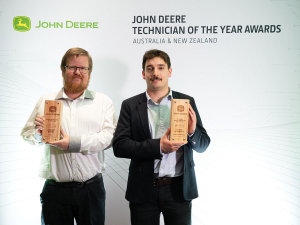
Leading John Deere technicians and apprentices from New Zealand and Australians were recognised at the recent sixth annual JD Technician of the Year Awards, held in Brisbane.
In Dacre, near Invercargill in New Zealand’s South Island, Bruce Dinnington is running a dairy operation unlike any other.
A free online platform aggregating governance vacancies across rural and regional New Zealand has been launched.
Environment Minister Nicola Grigg has announced details of a new rural plastics recycling scheme.
Agricultural drone operators say that a government decision to allow lower-risk drone work without certification won’t lower standards but drive innovation and efficiency.


OPINION: It seems Canterbury processor Synlait is still in the doldrums.
OPINION: Get offside with New Zealand First leader Winston Peters at your own peril.




