CRV Ambreed is now a strategic partner of the New Zealand Farm Environment Trust (NZFET).
The other partners are MPI, Federated Farmers, Rabobank and Horticulture NZ.
The trust’s vision is for NZ farmers and growers to be recognised as global leaders in their stewardship of land and water -- balancing the environment, animals, plants and people.
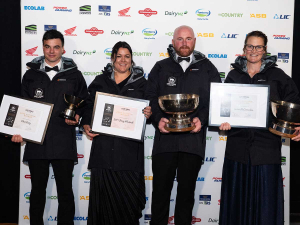
The Ballance Farm Environment Awards (BFEA) is the trust’s flagship event, held annually to show NZ’s environmentally responsible and profitable farmers and to inform entrants on best management of natural resources.
CRV sales and marketing manager Jon Lee says the partnership with NZFET is a natural fit for CRV Ambreed in its “support of farmers who are striving for environmental excellence on farm”.
“More and more, our industry is finding itself in uncharted territory about its ‘licence to farm’. CRV is working with farmers and industry partners on solutions to protect and enhance the environment.”
Lee says CRV recognises farmers who are making a difference and enables them to influence future generations.
NZFET general manager James Ryan says the Ballance awards help promote leadership in the primary sector and give farmers a means to share their stories with peers and a wider audience.
“We’re exploring ways to grow our relationships with our partners via a wider range of programmes.
“CRV is a good fit for the trust because it is committed to supporting sustainable farming socially, economically and in the environment.
“We want to work with organisations that ideally have a network of staff NZ-wide who will support the objectives of the trust at the grassroots. CRV ticks all those boxes.”
Building a great herd
Te Awamutu dairy farmers John Hayward and Susan O’Regan were the BFEA 2016 Waikato Supreme Award winners.
Commenting on CRV’s trust partnership, Hayward says genetics has been crucial in helping them to more resilient and productive farming.
“Our philosophy is to look ahead five years and build a great producing herd over time with a low nitrogen footprint.
“Selecting the right genetics is no longer just for improving the economic value of your herd. Farming today requires genetics that gives farmers options to farm sustainably for profit, the environment and animal welfare.”