The Land and Water Forum (LAWF) is proposing time limits for farmers to fence waterways on their properties, with dairy farmers among the first to be affected.
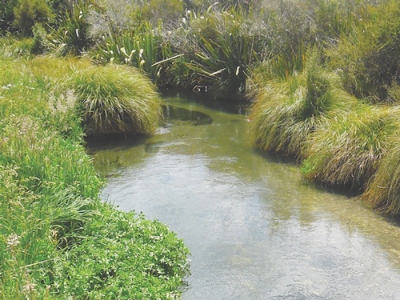
A report by LAWF makes 60 recommendations; one on fresh water quality proposes that all 'intensive' farmers exclude stock from waterways. This is critical economically and environmentally, LAWF says.
From mid 2017 dairy cattle must be excluded from waterways, grazing owned by a dairy farmer by 2020 and third-party dairy grazing by 2025. This is also the date for intensively farmed beef and deer to be excluded. Pigs were to have been excluded by mid 2015.
Primary Industries Minister Nathan Guy says the report talks about some flexibility on animals on steep hill country.
"So we need to have a consultation period on this early next year," he told Dairy News.
"The Government hasn't firmed up on some of the detail including how far and how fast this will happen. But I think these guidelines are something we could live with.
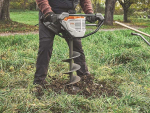
"Dairy farmers have come a long way in a short time. About 96% of them have stock excluded. When I last had a look the fencing done was roughly equivalent to the distance between NZ and the UK and halfway back again," he says.
Guy says it's a challenge to get the last few percent of farmers to comply but he is optimistic they will do that. Farmers have seen these changes coming, won't be surprised at them and will accept them, he says.
In fairness, other intensive farmers on lowland areas should be faced with the same rules as dairy farmers, Guy says.