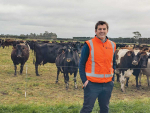
New Dairy Holdings CEO Backs Self-Contained Model
Running a tight and self-contained ship is the key to the success of the country's largest dairy farmer, says Blair Robinson, the new man at the helm of Dairy Holdings.




 increase font size
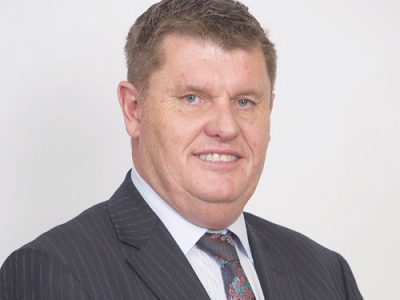 Roger Smith.
The head of BiosecurityNZ (MPI’s group dealing with Mycoplasma bovis), Roger Smith, says its job is to make NAIT easy so that farmers will comply with it.
NAIT has been widely criticised, notably by Federated Farmers vice-president Andrew Hoggard, who says the system is clunky and doesn’t interface with his own database which contains all the information NAIT needs.
Smith says MPI will change this because if a regulation is too hard to comply with people may not comply.
“I understand that when a farmer comes in at 11pm after a hard day on the farm and must then sit down at a laptop and enter NAIT data this can be frustrating and probably not ideal.”
Time spent unnecessarily in an office typing in numbers affects productivity; a system is needed that works well for everyone, Smith says.
The first task is to act on the review of NAIT by getting a better system up and running in the short term; they also need to better educate farmers about the reasons for NAIT.
“Then we must step back and look at NAIT and what it might be like in the next five to ten years. The technology is changing: there are better internet connections and wand readers.
“We must look at technology solutions and make it easier.”
NAIT needs redesigning so that one set of data can shared across a number of systems, Smith says.
A steady stream of farmers visited MPI’s Fieldays site seeking information about M.bovis. They wanted to know more about the disease and were stepping up their efforts to improve their farm biosecurity.
“Our job is to help and advise them to run a biosecurity system that protects their farm.”
Running a tight and self-contained ship is the key to the success of the country's largest dairy farmer, says Blair Robinson, the new man at the helm of Dairy Holdings.

OPINION: It's no surprise that "world-class biosecurity" continues to dominate as the top priority for agribusiness leaders, holding the number one spot for the 16th consecutive year in KPMG's latest agribusiness report.
New import standards could put New Zealand’s blueberry industry and the wider horticulture industry at risk.
Biosecurity New Zealand says Kiwis should continue to keep an eye out for yellow-legged hornets (Vespa velutina) over the holiday season.
Biosecurity New Zealand is intensifying its campaign to locate and eliminate the invasive yellow-legged hornet, following confirmed detections on Auckland's North Shore.


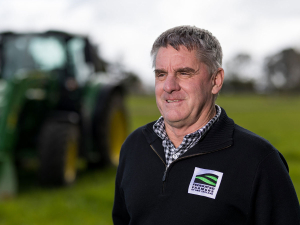
National’s pledge to introduce 19 new national standards shows the party is serious about getting Wellington out of farming, Federated Farmers says.
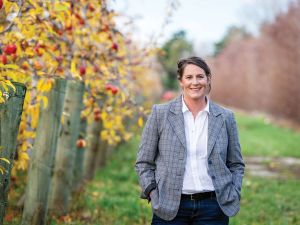
The National Party’s policies to make it easier to grow fresh vegetables, secure reliable water and energy and simplify farm planning are practical changes that will give growers the confidence to invest, according to Horticulture New Zealand (HortNZ).
Fonterra Co-operative Group chief financial officer Andrew Murray has resigned to take up a role outside the dairy giant.
A major move is about to get underway to improve the quality and viability of dairy beef and cattle in NZ.
Veterinarians say changes to the code of welfare for dairy cattle provides a positive foundation for improved cattle welfare across the country.
Today, 15 October, is the International Day of Rural Women, which recognises rural women’s contribution to farming, communities and the environment.



OPINION: It seems Canterbury processor Synlait is still in the doldrums.
OPINION: Get offside with New Zealand First leader Winston Peters at your own peril.




