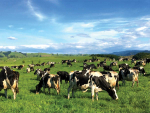
DairyNZ's Tracy Brown Flags El Nino Risk for Dairy Farms
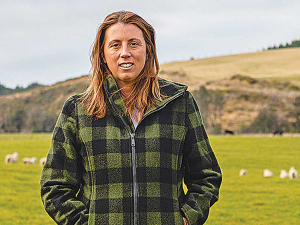
Most dairy regions around the country have had a pretty good season so far says Tracy Brown.




 increase font size
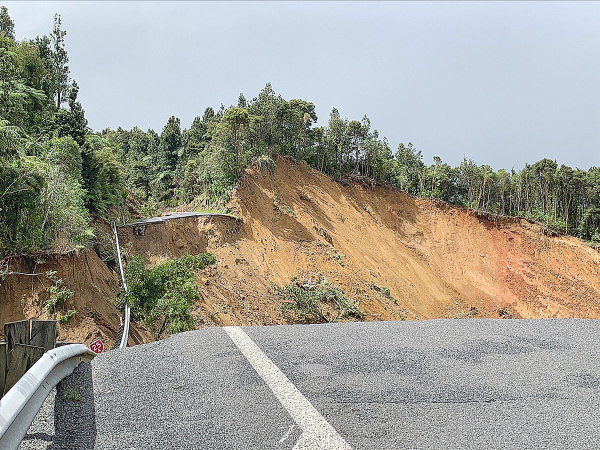 A section of damaged 25A highway after Cyclone Gabrielle hit parts of the North Island in February last year. Photo Credit: NZTA.
The El Nino weather pattern is likely to kick in during the last few weeks of February.
That’s the view of NZ Metservice meteorologist, James Millward, who told Dairy News that this will bring higher pressures across the North Island, resulting in prolonged dry summer weather.
He says the good news for farmers is that conditions will be more typical, unlike last year's weird wet weather.
Millward says at present the North Island is drying out and in terms of soil moisture the country is not far away from where it would normally be. He says the exception is southern Wairarapa which is particularly dry. But he adds that the expected early dry has not eventuated, with rain falling in Tairāwhiti and Hawke’s Bay and the possibility of further rains, depending on what might happen with weather systems in the tropics.
“The weather could be a bit of a mixed bag in the coming couple of weeks and then we are likely to see it transition into the normal El Nino pattern,” he says.
Millward says it’s been drying out in most dairy regions. He says while it’s dried out in Canterbury, this region has benefited from some of the rain that came over the ranges from the heavy downpours on the West Coast. He says some of this got into the McKenzie Basin which was very dry. Other dry areas are Kaikoura and Marlborough.
“Overall it’s a drier outlook for the South Island,” he says.
Millward says the weather patterns are on a much more even footing and that will give farmers more certainty as to where they are and where they are going. He says it looks like being a typical late summer and autumn, albeit with a slight bias to the more westerly aspect flow, which is more typical of the El Nino patterns that were promised. He says once these kick in, eastern parts of both islands should get drier than normal. Millward says there is a risk that droughts could set in though autumn.
“But at the moment we are sitting pretty well right across the country in terms of soil moistures, so for farmers it’s probably not so stressful as it has been,” he says.
Most dairy regions around the country have had a pretty good season so far says Tracy Brown.
Are you ready for El Nino? That’s the question asked by Beef+Lamb NZ’s Ian Tarbotton who leads B+LNZ’s farm extension service.
After a winter of frozen pipework and refrigeration call-outs, Terravest chief executive Kip Bodle and chief operating officer Luke Walker explain why this El Niño summer calls for a different kind of preparation, before the first heatwave finds the weak points for you.
Plan ahead and be patient. That’s the message to farmers and horticulturalists from the chairman of the NZ Agricultural Aviation Association, Kent Weir.
After delivering a strong financial year, rural trader PGG Wrightson says the coming months will depend on customer confidence and weather.


Minister of Conservation Hon Tama Potaka has appointed Susan O'Regan as Chair of the Queen Elizabeth II National Trust (QEII) for a three-year term.
Red meat farmers are welcoming Labour’s plan to review the Emissions Trading Scheme and not to campaign on pricing agricultural emissions.
Where any worker in the kiwifruit industry is mistreated, we expect the authorities to take action.
Mid Canterbury Federated Farmers arable chair, Bevan Lill, said Beef + Lamb NZ data indicated that for the last six years, the average arable return on investment was about 0.8% while inflation ran about 4% - so the average arable farm was going backwards at about 3% a year.
Seed and grain companies share the concerns of arable farmers about the viability of their sector, says Seed and Grain New Zealand chief executive Dr Sarah Clark.
The New Zealand Institute of Forestry (NZIF) says unnecessary changes to New Zealand’s Emissions Trading Scheme (NZ ETS) will seriously erode investor confidence and result in significant reductions in forest planting rates.


OPINION: It seems Canterbury processor Synlait is still in the doldrums.
OPINION: Get offside with New Zealand First leader Winston Peters at your own peril.




