
Dairy Farmers Urged to Strengthen Beef Partnerships
Dairy farmers need to be high quality partners to the beef industry, says Prem Maan, the co-founder and executive chairman of the dairy corporate Southern Pastures.




 increase font size
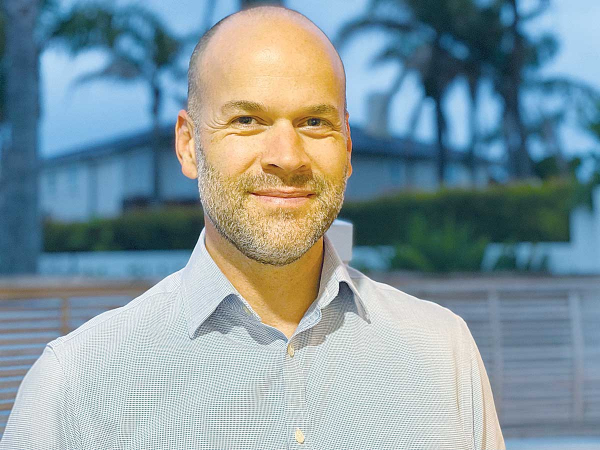 Tom Bailey, Southern Pastures, says the premium food trend isn't going away.
New Zealand remains in pole position to benefit from the premium food trend, says dairy expert Tom Bailey.
The NZ provenance story is incredibly important for dairy exporters as they cash in on growing demand for clean and green milk products.
Bailey, who recently joined Southern Pastures as its new senior vice president and general manager post farmgate operations, told Dairy News that the premium food trend isn’t going away.
“People are willing to pay extra for better quality, more interesting food from trusted brands with an authentic and traceable story,” he says.
“The general NZ story around food is spot on with the clean, green, sustainable attributes, which consumers want.
“This is particularly so for dairy with studies confirming New Zealand dairy has the smallest carbon footprint globally.”
Bailey says a company like Southern Pastures is able to command the highest prices offshore by taking the New Zealand provenance story even further with its comprehensive 10 Star Certified Values programme.
“Having a transparent and rigorous audited process like this is where the opportunity lies.
“We’re seeing consumers really focus on environmental impact of food production and expect they will eventually want to measure the carbon footprint of their products. This is where individual brands within the New Zealand provenance story can really begin to stand out.”
Bailey, who was a RaboResearch senior dairy analyst based in the US before taking up his new role, says Covid has emphasised health and wellness from many angles. “Dairy demand has come roaring back as people seek natural nutrition and go back to basics; simple, uncomplicated, familiar and trusted food,” he says.
There are specific examples of this on a national scale. In the US, the Federal Government has bought massive amounts of dairy as part of its food support programs.
Chinese demand has also been very strong.
Bailey says the Chinese Government has emphasised the health benefits of milk and there are reports that fluid milk demand is pumping.
“As a result, the Chinese dairy processors do not have excess milk to dry (which they normally would) because fluid demand has been so strong,” he says.
“This has helped bolster NZ exports, as we can meet growing demand and also backfill where domestic Chinese manufacturers are missing.
“Furthermore, NZ ingredients remain at a substantial premium relative to the global markets due to many factors: grass-fed is better, many brands require Fonterra specifications for label requirements, and NZ has a great working relationship with key importing markets such as China.”
Bailey believes dairy’s outlook is solid at this stage, “which is somewhat tough to fathom as we are genuinely in the midst of a global catastrophe, high unemployment rates (6.7% in the US vs. 3-4% pre-Covid), relentless pandemic, restaurants remain closed etc”.
“But global commodities remain strong, from oil to grains, and dairy is riding the wave with them.”
Dairy farmers need to be high quality partners to the beef industry, says Prem Maan, the co-founder and executive chairman of the dairy corporate Southern Pastures.
A New Zealand dairy industry leader believes the free trade deal announced with India delivers wins for the sector.
One of New Zealand's largest dairy farmers won the 2024 'Food, Beverage and Fibre Producer' award at the NZ Primary Industries Awards.
Corporate dairy farmer Southern Pastures has been judged to be a responsible investment leader for the seventh year running.
Specialty butter made from New Zealand grass-fed milk is now available locally after sales success in the US over the past two years.


New Zealand's citrus growers were challenged to build their future on the value embedded in their fruit rather than the volume they produce, at Citrus New Zealand's annual gathering in Gisborne on 17 September.
Leading John Deere technicians and apprentices from New Zealand and Australians were recognised at the recent sixth annual JD Technician of the Year Awards, held in Brisbane.
In Dacre, near Invercargill in New Zealand’s South Island, Bruce Dinnington is running a dairy operation unlike any other.
A free online platform aggregating governance vacancies across rural and regional New Zealand has been launched.
Environment Minister Nicola Grigg has announced details of a new rural plastics recycling scheme.
Agricultural drone operators say that a government decision to allow lower-risk drone work without certification won’t lower standards but drive innovation and efficiency.


OPINION: It seems Canterbury processor Synlait is still in the doldrums.
OPINION: Get offside with New Zealand First leader Winston Peters at your own peril.




