AgFirst Warns Dairy Farmers Not to Expect Repeat Season
A warning to dairy farmers not to expect the same good conditions that they experienced last season, has been issued by a leading farm consultant.




 increase font size
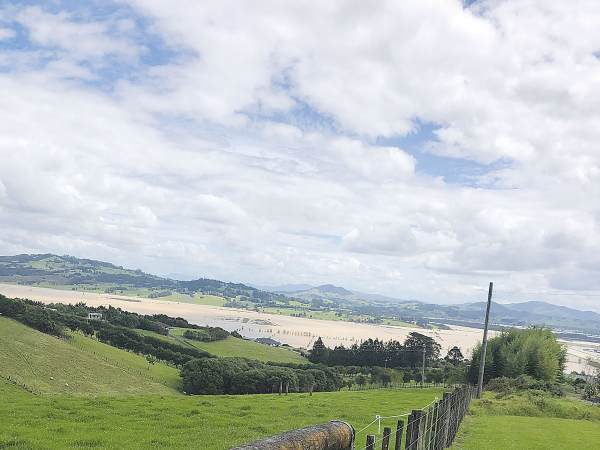 Many dairy farmers in Northland have copped a tough year and those near the Hikurangi swamp in particular have been severely affected.
Be realistic about what you can in the short term - the recovery is a marathon not a sprint. That's the sage advice from one of the country's leading dairy consultants, James Allen, AgFirst.
He says those dairy farmers severely impacted by the cyclones should focus on the basics, such as making sure their fences are secure and that their stock have water.
Allen says he's aware that some farmers have had to send their stock to other properties because their water supply systems have been so badly damaged.
"They also need to start taking account of their feed supply in the immediate future and also what it might be like six or eight months out," he says.
James Allen says there is a lot of good advice available on how to deal with drying off and feed management. He says industry bodies such as DairyNZ are doing a good job getting this information out to farmers. He says farmers who have had to dry off early and who will have lost income need to communicate early with their financial advisors and banks.
"There is a lot of support out there for farmers and they shouldn't be afraid about asking for help. They need to talk to others because a problem shared is a problem halved," he says.
Allen says many dairy farmers in Northland have copped a tough year and those near the Hikurangi swamp in particular have been severely affected. Maize yields are down, summer crops have been damaged and there are instances of lameness and mastitis within herds. Farmers in east coast regions have also been badly knocked around and "my heart goes out to them", he says.
"But there are some regions which have enjoyed good rainfall and the growth conditions aren't too bad. There are parts of the Waikato, for example, which are going to see a strong end to the season with soil moisture levels good, making the grass grow well," he says.
Allen says he's just completed a feed update for the country which shows that, aside from the areas badly impacted by the cyclones, overall covers are feed reserves good. The exception he says is Southland and nearby regions that are dry.
"So we have this complete dichotomy where some areas are massively affected by storms and floods and others that are doing fine," he says.
A warning to dairy farmers not to expect the same good conditions that they experienced last season, has been issued by a leading farm consultant.

The chief executive of Apples and Pears New Zealand, Danielle Adsett, says fruit quality this year is phenomenal and the sector is hitting crop estimates, which is great for growers.
As fuel and fertiliser prices rise and with uncertainty in the future, farmers are being urged to go over their budgets with a fine-tooth comb.
For the most part, dairy farmers in the Waikato, Bay of Plenty, Tairawhiti and the Manawatu appear to have not been too badly affected by recent storms across the upper North Island.
Fears of a serious early drought in Hawke’s Bay have been allayed – for the moment at least.
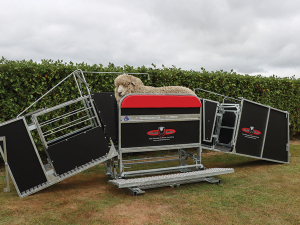
Oamaru-based livestock handling specialist Te Pari has bought Combi Clamp, the New Zealand manufacturer of Combi Clamp manual sheep handlers.
Agriculture Minister Todd McClay has admitted that a scheme bringing workers from Pacific nations to work on orchards has become too hard to navigate but says changes are coming.
A new app designed in New Zealand aims to help sheep, beef and deer farmers capture, analyse and use body condition score data more effectively.
Canterbury farmer Andy Macfarlane has been appointed to the board of AgriZeroNZ, the public-private partnership designed to accelerate the development and deployment of emissions reduction tools for New Zealand farmers.
For over 50 years Mel Ewers has been supporting the apple sector navigate through compliance and quality assurance issues.
The apple sector is enjoying a bumper harvest season.
OPINION: City and regional councils have been put on notice - stop using extreme climate forecasting scenarios that can drive…
OPINION: The Green Party’s rivers and oceans policy may have a new name but nothing else has changed.