Fonterra FY26 Results: $9.69 Milk Price, $3.4bn Profit
Fonterra has unveiled its annual results for the 2026 financial year, posting $27 billion in revenue and close to $20 billion returned to New Zealand farmer owners and unit holders.




 increase font size
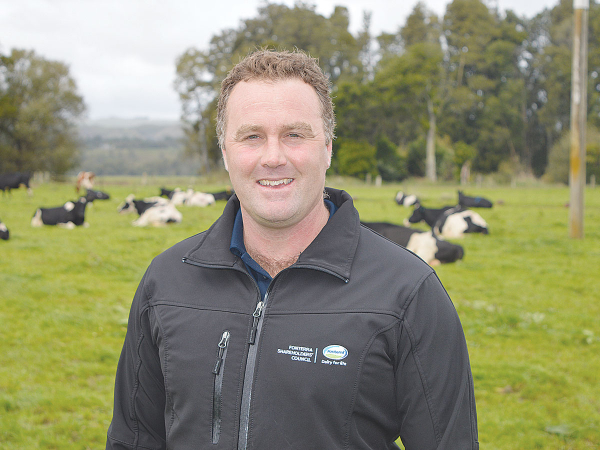 Fonterra Co-operative Council chair John Stevenson says Scope 3 emissions target is generating some apprehension among the shareholder base.
There is some unease among Fonterra's shareholder base as the co-operative sets out to tackle Scope 3 emissions generated by the business.
With Fonterra farmers already under the pump due to weather-related events, cost pressures, cash flow and labour shortages, how the Scope 3 emissions story will play out is currently unknown and causing uneasiness.
The co-operative has been meeting with farmers and will soon announce what the Scope 3 target will look like.
Scope 3 emissions include carbon emissions not produced by the company itself, but by those that it's indirectly responsible for, like farmers.
Fonterra says that 91% of its group emissions are from behind the farm gate.
Farmers are being told that the co-operative is under increasing pressure from both customers and consumers, regulators, and more and more from the financial sector, to put out a scope 3 emissions target.
Fonterra Co-operative Council chair John Stevenson told Dairy News that Scope 3 emissions “is generating some apprehension among the shareholder base”.
There is uncertainty around what steps farmers can take on farm to reduce their emissions intensity, and for some there may currently be a gap between “what farmers can deliver compared to what customers want”.
“As a council we are here to bring some balance to the conversation through representing the views of our farmers.”
Stevenson notes that the situation on farm is already challenging.
“Combine this with the pace of change required from regulators and changing customer demands, it is having an impact on how we farm.
“Regarding changing customer demands, our farmers are looking hard to Fonterra for evidence that changed practices on farm will deliver value into their pockets.”</p
Stevenson points out that Fonterra is well placed to help farmers overcome some of the sustainability challenges ahead.
“There is no doubt we will see further pressure from Government, customers and banks. The key will be to make sure Fonterra takes its farmers on the journey, provides support and does not set requirements that are too difficult to achieve.”
Fonterra farmers are telling the council that the pace of change within the last 18 months is causing pressure.
And Stevenson points out that the pressure is not just from a financial standpoint, it comes at a time when many farms have been understaffed due to workforce shortages.
“Our members are doing more on the farm and more off the farm,” he says.
Uncertainty also affects investment in the future.
Stevenson says there’s lot of technology out there to help with productivity, but farmers need certainty in the future to commit to these investments.
He says the forecast farm gate milk price is still under pressure.
“Farmers margins and balance sheets are as squeezed as they have been for a long time.
“There is uncertainty and volatility in the global market. Farmers will look to what they can control and consider their budgets carefully.”
Fonterra has unveiled its annual results for the 2026 financial year, posting $27 billion in revenue and close to $20 billion returned to New Zealand farmer owners and unit holders.
Fonterra Co-operative Group has confirmed the independently assessed candidates standing for election to its board in 2026.
Fonterra has revised its Farmgate Milk Price forecast for the 2026/27 season, lifting the midpoint and narrowing the range on the back of improving global dairy commodity prices.
Outgoing Fonterra Co-operative Council chair John Stevenson says that it has been a privilege to represent the co-op's farmer shareholders.
OPINION: It seems Canterbury processor Synlait is still in the doldrums.


LIC shareholders have elected a new North Island representative to the co-operative's Board, along with five representatives to its Shareholder Reference Group (SRG), following the company's Annual Meeting held in Invercargill.
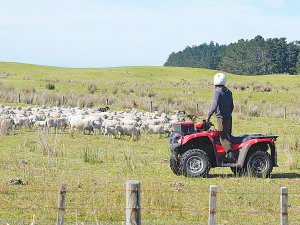
Farmers across parts of Southland and South Otago are continuing to deal with difficult conditions after a prolonged run of wet weather, with pressure building around feed supply, stock management, pasture damage, farm infrastructure and everyday workloads.
Federated Farmers says it welcomes Labour's commitment to reviewing the Sharemilking Agreements Act, calling on other major parties to do the same.
For Canterbury dairy farmers Sian Meijer and Rick Wobben, wearable technology has become one of their most valuable on-farm tools - helping manage 1850 cows across an expansive, high-performing dairy operation while improving efficiency, mating outcomes and day-to-day decision making.
Fonterra has unveiled its annual results for the 2026 financial year, posting $27 billion in revenue and close to $20 billion returned to New Zealand farmer owners and unit holders.
The first major update to the Dairy Cattle Code of Welfare in more than a decade has been released, marking what DairyNZ describes as an important step in ensuring animal welfare standards continue to evolve alongside scientific evidence and on-farm realities.


OPINION: It seems Canterbury processor Synlait is still in the doldrums.
OPINION: Get offside with New Zealand First leader Winston Peters at your own peril.




