Synlait FY26 Result: $75.4m Loss, Second-Half Profit
Synlait has swung to second-half profit as operations stabilise, but the dairy processor still posted a $75.4m annual loss.




 increase font size
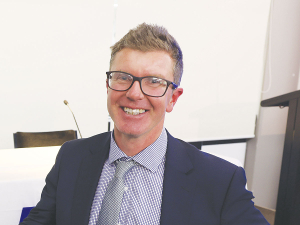
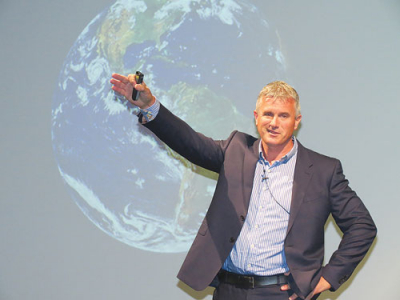 John Penno.
A leading figure in the NZ dairy sector says in the future the industry will be smaller and less intensive.
John Penno, who until recently was chief executive of Synlait and who remains a director, last week told the Australasian Dairy Science Symposium (ADSS) in Palmerston North that the point has been reached where any more expansion of dairy will harm the environment.
He says people say technology will solve many of the environmental problems facing the dairy industry, but this is some way off and may have a limited impact.
Penno says a smaller dairy industry will not be a bad thing.
“In fact I am quite excited about it because it will get people focused on value. For example, in Ireland farmers and processors way back were frustrated about living under quotas and in particular watching the NZ dairy industry growing. But if you add up the total value that’s been created in Irish dairying over that time they have done better than us. This is because while they couldn’t invest onfarm they invested in other things, thought smartly and created impressive businesses from which farmers and the whole country benefitted,” he says.
Penno points to Irish butter whose brand Kerrygold is now number-two in the US. He says if restrictions were put on milk flows in NZ and farmers were encouraged to produce higher value milk they would also benefit financially. This needs greater focus, as does creating linkages through supply chains to the best consumers in the world.
In his experience, NZ farmers are adaptable and resilient and he’s confident about the future.
Penno says NZ could capitalise on the trend among high end consumers to buy the products of animals that are grass fed.
“But we must have genuine stories about grass fed. To us grass fed means 365 days out in the air eating forage, no concentrates and minimal use of anti-biotics. You have to use some antibiotics in the systems because it’s cruel not to. The goal is that when the consumers hear our story they will realise it is based on good science, sound systems and integrity, not like others who claim their animals are grass fed when they have only been on grass for a short period,” Penno says.
Future focus
The theme of the ADSS was on looking to the future and the need to create greater resilience in dairy farming.
Massey vice-chancellor Jan Thomas, who formally opened the symposium, stressed the importance of dairy science and noted that Massey was producing research of world quality that benefits the industry and all New Zealand. Massey works with industry partners to drive productivity and innovation, she said.
Professor Danny Donaghy, who specialises in dairy production systems at Massey and who helped organise the symposium, said an aim of the event was to encourage greater collaboration between scientists working on dairy research.
The symposium’s scope has widened over the years, he said. It started as an Australian event and quickly grew to include NZ.
“Many years ago we looked to get the farm systems teams from both countries together because we are facing the same issues, such as how do we measure profitability.”
Synlait has swung to second-half profit as operations stabilise, but the dairy processor still posted a $75.4m annual loss.
Speculation of a possible joint move by Fonterra and a2 Milk to buy Synlait raises a much bigger strategic question, says agribusiness expert Dr Nic Lees.
A revolving door of chief executives at milk processor Synlait is a warning sign, says Lincon University senior lecturer in agribusiness Nic Lees.
Troubled milk processor Synlait has lost its third chief executive in five years.


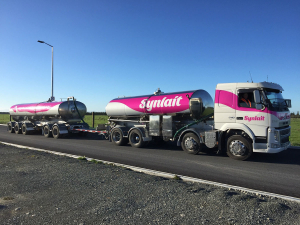
Synlait has swung to second-half profit as operations stabilise, but the dairy processor still posted a $75.4m annual loss.
LIC shareholders have elected a new North Island representative to the co-operative's Board, along with five representatives to its Shareholder Reference Group (SRG), following the company's Annual Meeting held in Invercargill.
Farmers across parts of Southland and South Otago are continuing to deal with difficult conditions after a prolonged run of wet weather, with pressure building around feed supply, stock management, pasture damage, farm infrastructure and everyday workloads.
Federated Farmers says it welcomes Labour's commitment to reviewing the Sharemilking Agreements Act, calling on other major parties to do the same.
For Canterbury dairy farmers Sian Meijer and Rick Wobben, wearable technology has become one of their most valuable on-farm tools - helping manage 1850 cows across an expansive, high-performing dairy operation while improving efficiency, mating outcomes and day-to-day decision making.
Fonterra has unveiled its annual results for the 2026 financial year, posting $27 billion in revenue and close to $20 billion returned to New Zealand farmer owners and unit holders.
OPINION: It seems Canterbury processor Synlait is still in the doldrums.
OPINION: Get offside with New Zealand First leader Winston Peters at your own peril.