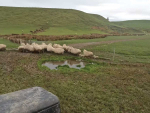
Southland Farmer Faces $120k Lamb Loss After Wet Spring
Southland's wet winter and spring will potentially cost Wyndham sheep and beef farmer Ben Dooley between $100,000 and $120,000 in lamb losses.




 increase font size
 Richard Kyte, DairyNZ says the very cold temperatures an continued rain has resulted in poor pasture growth rates.
A cold wet winter and the low payout is a disaster for Southland dairy farmers, says DairyNZ.
The average loss on the region’s farms will be $360,000; some will lose even more.
DairyNZ’S Richard Kyte told Dairy News the wet winter contributed to poor utilisation of crops, and cows have lower body condition scores than normal at this time of the year.
“The very cold temperatures and continued rain has resulted in poor pasture growth rates so average pasture covers have typically been lower than normal. This was also due to the poor growing conditions last season so we don’t have large amounts of supplements on hand such as silage and baleage,” he says
Kyte says feed is short in the region, a problem compounded by drought last season in Otago and North Canterbury; extra supplies of baleage and silage are almost non-existent.
“Obviously we need growth rates to pick up to turn things around. Farmers are struggling to maintain pasture in good condition in the wet weather. They are using such strategies as standing cows off to try to prevent pugging; overall the difficult conditions are taking their toll on people and animals.”
Kyte says it’s been among the wettest seasons he’s experienced. Though last spring was wet, a patch of fine weather enabled pastures to grow; but not this season, so all farmers are in a tight situation.
Some farmers are using PKE, but in this wet they need the right infrastructure on their farms to avoid damaging pastures.
“In terms of fertiliser, we have probably reached the point where it is ok to go with nitrogen. But most of what’s going on is being flown by helicopters to avoid damaging pastures.”
The cow cull is carrying on from where it left off in autumn and Kyte says it’s clear farmers are not holding onto any ‘passenger cows’; delays at the works are not helping.
Farmers are seeking advice on budgets and DairyNZ is advising on possible system changes. Southland farmers are getting on with the job but there is not a lot to smile about, Kyte says.
Appeal for feed
Federated Farmers Southland president Allan Baird is appealing for anyone in the lower South Island with supplements surplus to requirements to tell Feds or their stock and station agents.
He says the situation for Southland dairy farmers is very tight with poor pasture growth rates.
“I’m appealing to anyone – including people on lifestyle blocks – who may have a spare bale or two of silage to let me know. While this may not feed a mob of cows it may when added to other supplements make a difference for some dairy farmers.”
Allan Baird, himself a dairy farmer, has noticed that once people get back to second round on their farms the growth rate is quite low. After a few fine days the growth picks up but the ongoing cold wet snap is making it tough.
Southland's wet winter and spring will potentially cost Wyndham sheep and beef farmer Ben Dooley between $100,000 and $120,000 in lamb losses.
Today, 15 October, is the International Day of Rural Women, which recognises rural women’s contribution to farming, communities and the environment.
Managing feed by sticking to a firm plan has helped the Southern Dairy Hub (SDH) demonstration farm survive an extremely wet winter, says the farm's acting general manager Greg Delaney.
Central Otago District Council (CODC) has voted against a plan to spread treated sewage sludge from Cromwell and Alexandra on farmland near Lauder, a decision Federated Farmers says reflects strong opposition from rural residents.
Federated Farmers has called on Central Otago District Council (CODC) to drop or vote down a plan to truck sludge from Alexandra and Cromwell to farmland near Lauder, warning it would compound an "outrageous" situation created by a separate council's decision weeks earlier.


Federated Farmers has welcomed new rural policies released by ACT, saying they align closely with its own election priorities.

Rural Contractors NZ says proposed changes to land transport rules for agricultural vehicles are a welcome response by the Government to out of date regulations which have seen members hit with huge fines.
Alliance is calling for final applications for its 2027 Graduate Programme, with applications closing on Sunday 25 October.
Decades piloting planes has ensured vet and farmer David Hayes is focused on safety. So, after a serious accident while welding on farm, he is sharing his experience so others can learn from it.
Canterbury milk processor, Synlait Milk has confirmed Leon Fung as its chief executive officer.
OPINION: Making it easier to collect rainwater and use it to grow crops and livestock is a no brainer.




OPINION: It seems Canterbury processor Synlait is still in the doldrums.
OPINION: Get offside with New Zealand First leader Winston Peters at your own peril.




