DTS, New Zealand's leading manufacturer of stainless steel vats and refrigeration technologies, is spearheading a groundbreaking initiative to phase out R404A refrigerant gas, a major contributor to greenhouse gas emissions.
Long used in dairy, horticulture, and commercial cooling systems, R404A is known for its high global warming potential (GWP) of 3922 and skyrocketing costs. DTS is replacing it with R449A, a more environmentally friendly and energy-efficient alternative with a GWP of just 1397 - one-third that of R404A.
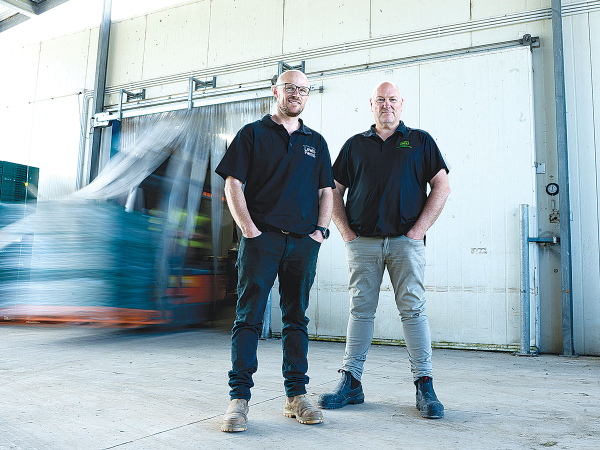
Luke Walker, DTS national sales and service manager, explains the rationale behind the initiative.
"Many producers don't realise the environmental and financial impact of their refrigerant until a leak occurs and they're hit with an expensive re-gassing bill," says Walker.
"By swapping R404A for R449A, we're not only reducing costs but also making a significant positive impact on the environment."
The swap-out is part of DTS's proactive service contracts and is designed to be seamless and cost-neutral. The transition requires minimal adjustments, such as a valve replacement in some systems, and poses no additional operating risks. DTS says R449A not only reduces environmental harm but also improves energy efficiency by up to 10%, which translates to lower power consumption and further emission reductions. Farmers like Cam Lewis, a forurth-generation steward of the Dunoon property in Foxton, are embracing the initiative.
"This decision was an absolute no-brainer," says Lewis. "For us, it's about balancing environmental responsibility with financial practicality. The swap ticks all the boxes - it's seamless, cost-neutral, and reduces our exposure to the soaring costs of R404A."
DTS says its commitment to sustainability goes beyond simple replacements. The company has already extracted four tonnes of R404A from New Zealand’s cooling systems in the first year of its campaign. This equates to preventing 10,000 tonnes of CO₂e emissions— equivalent to the emissions from driving a diesel vehicle 60 million kilometres. With around 700 tonnes of R404A still circulating in New Zealand’s refrigerated food chain, DTS aims to remove at least another four tonnes in the coming year.
Gavin Thwaites, CEO of DTS, highlights the broader implications of the initiative.
“The transition away from harmful refrigerants like R404A is a critical step for a sustainable future. Every reduction counts, and we’re committed to helping New Zealand producers make this change efficiently and responsibly.”
Beyond the immediate benefits of the swap, DTS is exploring partnerships with government and industry players to accelerate the transition. The company is also investing in new technologies and manufacturing practices to reduce reliance on harmful hydrocarbon gases across the dairy and cold food chain sectors.
As Walker concludes, “DTS is more than a manufacturer—we’re problem-solvers and innovators. Our mission is to help New Zealand producers build sustainable, efficient operations that align with the environmental challenges of today and tomorrow.”
DTS’s initiative reflects its commitment to leadership in innovation and sustainability, setting a benchmark for New Zealand’s refrigeration and agribusiness sectors while paving the way for a greener future.