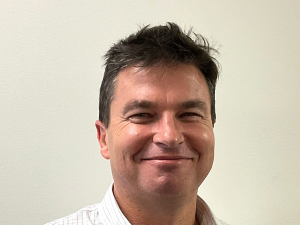
Made in New Zealand is a feature that looks at the wealth of design and manufacturing ability we have in New Zealand, making productive and cost-effective products for the agricultural sector. This week we take a closer look at FIL, catching up with GEA Farm Technologies NZ chief executive officer, Campbell Parker.
Q: When was the company founded, by whom and why (was it to solve a problem or market a product)?
The company was founded in 1978 at Mount Maunganui by Dave Hancox and Arthur Jordan, who manufactured and sold a cold water dairy detergent called 30M, that offered farmers a lower cost approach to dairy hygiene.
FIL experienced rapid growth from the mid 1990s supporting the expanding dairy industry of New Zealand, before being acquired by the GEA Group in 2010. We still maintain strong local leadership, decision making and local manufacturing, while our connection to GEA delivers advantages of global insight, support and the technology to develop new products.
Q: Where are you located, is it single or multiple sites and how many people are employed?
Our head office is in Mount Maunganui, where we have 18 on-site staff including a six-person management team, complemented by 19 area managers across the country.
Q: What are your key products and which markets do they serve?
The business started with 20 products, centred around animal remedies and cleaning products for milking sheds. Today, we offer 55 products for dairy shed hygiene, teat care, tall paint, animal health and water quality. Our products are sold throughout NZ and exported to 11 countries, where we have become industry experts trusted by dairy farmers globally.
Q: Are your products unique? If so, what are the four key benefits? If not unique, what are the four unique selling points?
We offer the only teat care products on the market containing mānuka honey, while we also manufacture NZ's first and only chlorine dioxide teat spray range approved for goats.
Our people are our key point of difference; with highly trained team of area managers offering unmatched service on-farm. Their role includes training on chemical safety, mixing & dilution rates, proper teat spray application & plant wash procedures. We also undertake plant health checks to ensure equipment is working properly & chemical is being effectively distributed. Bulk milk testing helps uncover specific pathogens present in the herd & develop a comprehensive udder health programme based on facts.
Our business is not just about selling a drum of chemicals; for us it’s about taking the time to really understand our farmers, then to develop tailored solutions to optimise their farm’s performance. The fact that we are NZ-based and can develop products to suit local conditions, using our own in-house chemist, is a huge advantage.
Q: Looking at an everevolving market, what changes have you made recently, or what will you have to do in future?
We continue to develop new products to meet the changing needs, like Di-oxishield, our unique two-component teat spray specifically formulated to improve the performance of dairy goats.
We have made a considerable investment in the replacement of process vessels and pipelines at our manufacturing site to comply with the latest Hazardous Substance, Seismic and Worksafe regulations.
We are working closely with industry partners to add value, such as diagnostics for pathogens to help farmers understand the cause of mastitis or working specifically with the Goat Co-op to create a new product.
Q: What has been the company’s greatest success since its formation?
Our success has been built around always striving to remain relevant to farmers, a continued focus on quality and innovation and of course, strong brand recognition with our bright yellow drums.
Q: In contrast, what has been the biggest “Oh Bugger” moment or the steepest learning curve?
At 11.06am on the 5th October 2007, two incompatible substances were mixed causing a large explosion and fire at our previous production site in Mount Maunganui, blowing FIL workers to the ground and causing significant damage to the building. Thankfully, there were no serious injuries to staff, but we moved quickly to review and change that product’s formulation to remove the contributory chemical, while also making sure we had a much greater ongoing focus on Health & Safety practices.
Q: If you were approached by someone looking to start a business, what would be your three key pieces of advice?
My best advice would be to employ good people, adapt to the constantly changing needs of the industry and go beyond just offering a product, by delivering the best levels of service and support in the industry. It is also important to have staff on the ground who can identify gaps in the market and potential opportunities and always strive for quality and excellence.
Q: Where do you see the company in the next three, five and ten years. What changes do you foresee to keep relevant and grow your business?
We will continue to focus on mastitis prevention and reducing antibiotic usage to help farmers improve farm profitability. We will utilise the expertise and knowledge of our GEA dairy sector colleagues from around the world to bring best practice and techniques to New Zealand farmers as our industry continues to evolve.
At the same time, we will continue growing our market share and creating more ‘FIL believers’.