Circular Wine Group praises Marlborough recycling changes
New waste management rules in Marlborough will add impetus to recycling efforts by the wine industry, says Circular Wine Group member Jim White.




 increase font size
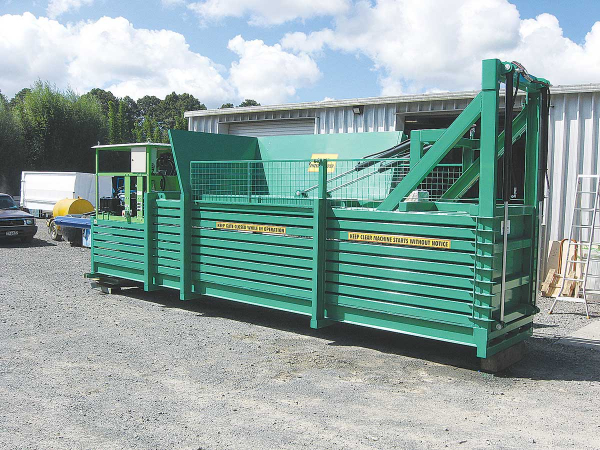 Plasback says it will use state funding to buy new waste compacting balers.
Having declared in July that all farm plastics sold in New Zealand will have to be recycled or reused, the Ministry for the Environment has made two major grants to help this policy become a reality.
One will help the on-farm plastic recycling scheme Plasback purchase baling and wrapping equipment, so it can transport waste plastic more cheaply, while the second will help the rural recycling programme Agrecovery devise a scheme to collect farm plastics that are currently uneconomical to recycle.
All farm plastics such as fertiliser, feed and bulk one tonne sacks will become priority products under the Waste Minimisation Act, so will have to be covered by a product stewardship scheme, meaning the farm plastics supply chain, from manufacturers through to consumers, will be responsible for recycling left-over plastic products and plastic packaging.
Plasback manager Chris Hartshorne says the Ministry of the Environment’s Covid Response and Recovery Fund (CRRF) is donating $442,000 to improve its collection efforts, and Plasback will match this amount. “We will use the $884,000 to buy three new purpose-built, waste compacting balers, five stationary wrappers, and three telehandlers. We will install one baler in Northland, one in the Bay of Plenty and one in South Canterbury.”
Hartshorne cites the logistics of shipping loose plastic from Northland to Matamata, where it is currently baled, making the process very inefficient. A baler located in Northland will help reduce the number of trips made to Matamata by 75 percent. Plasback also aims to keep plastic collection costs from farms as low as possible.
Plasback also reports that more companies are recognising the value in being part of an accredited recycling scheme, with silage wrap suppliers Grevillia Ag and Nutritech now joining Plasback, so they can support their customers’ efforts to recycle waste plastic.
Agrecovery commercial manager Richard Carroll reports the WMF is contributing $178,200 so that Agrecovery can develop a preferred product stewardship scheme for farm plastic for the Ministry for the Environment.
This project will bolster existing recycling services for farmers and growers, like the ones Agrecovery provides for agrichemicals and Plasback provides for silage and bale wrap.
Richard says there is considerable scope to reduce waste and increase the recovery of used resources, resulting in environmental, social and cultural benefits.
New waste management rules in Marlborough will add impetus to recycling efforts by the wine industry, says Circular Wine Group member Jim White.

The Ministry for the Environment is joining as a national award sponsor in the Ballance Farm Environment Awards (BFEA from next year).
After five years giving a new lease of life to vineyard posts, Marlborough-based company Repost is getting its own upcycle, in a joint venture with timber manufacturer OneForty One, which mills micronised copper azoleated (MCA) posts at its Kaituna Mill.
Having already hit the headlines for recycling broken 2.4 metre vineyard posts into 1.8 and 1.6 metre, half and quarter posts for agriculture, Repost recently hit the milestone of one million posts recycled, diverting the CCA treated posts from landfill.
Horticulture New Zealand says that while it welcomes plans to extend planning permissions for post-cyclone rural recovery work in Hawke’s Bay, Tairāwhiti Gisborne needs to be included in that work.


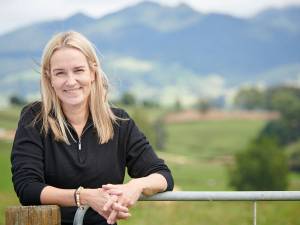
Minister of Conservation Hon Tama Potaka has appointed Susan O'Regan as Chair of the Queen Elizabeth II National Trust (QEII) for a three-year term.
Red meat farmers are welcoming Labour’s plan to review the Emissions Trading Scheme and not to campaign on pricing agricultural emissions.
Where any worker in the kiwifruit industry is mistreated, we expect the authorities to take action.
Mid Canterbury Federated Farmers arable chair, Bevan Lill, said Beef + Lamb NZ data indicated that for the last six years, the average arable return on investment was about 0.8% while inflation ran about 4% - so the average arable farm was going backwards at about 3% a year.
Seed and grain companies share the concerns of arable farmers about the viability of their sector, says Seed and Grain New Zealand chief executive Dr Sarah Clark.
The New Zealand Institute of Forestry (NZIF) says unnecessary changes to New Zealand’s Emissions Trading Scheme (NZ ETS) will seriously erode investor confidence and result in significant reductions in forest planting rates.




OPINION: It seems Canterbury processor Synlait is still in the doldrums.
OPINION: Get offside with New Zealand First leader Winston Peters at your own peril.




