Milk Glut Drags Fonterra Forecast Down to $9.20/kgMS
A milk glut around the world shows no sign of easing, putting downward pressure on farmgate milk prices for the next few months.




 increase font size
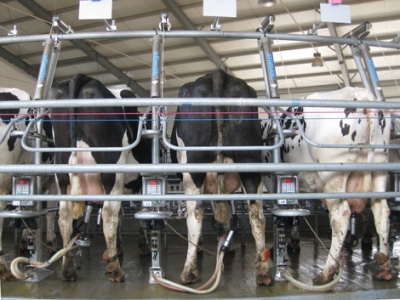
The end of the tunnel is still not showing any light for farmers. Six months ago they were told to expect a bounce-back in global dairy prices about now. But last week’s Global Dairy Trade results show no sign of recovery.
The latest auction was a shocker, the GDT price index dropping 10.7% on the last sale two weeks ago and wholemilk powder prices taking a 12-month-record drop.
Whole milk powder -- accounting for 75% of Fonterra’s farmgate milk price -- fell in price by 13.1% to US$1848/t, its lowest level in six years.
With last year’s Fonterra farmgate milk price standing at $4.40/kgMS or the dividend included $4.60-$4.70 for a fully shared up farmer, farmers now face two consecutive seasons of extremely low milk prices.
Most farmers can’t break even at such a low milk price. Many will pull back on discretionary spending, rightly so.
But as DairyNZ says, farmers can and will use the opportunity to strengthen the industry. Yes, it will be very challenging, but the opportunity to increase the industry’s resilience is there to see; we simply need to farm more efficiently.
Ultimately, this challenge could make us more competitive if we accept it by driving efficiency throughout our businesses.
Now’s the time to budget for next season; the payout may be out of your control but the cost of production onfarm is not.
It’s worth repeating here DairyNZ’s advice to review budgets line by line. Question every line: do I retain the expense, can I reduce it, can I defer it (say to next year) or can I remove it?
Below is an example of the process:
• Retain spending that has a direct impact on current profitability, e.g. fertiliser N to fill feed deficits, preventative animal health vaccinations, metabolics and minerals.
• Reduce by trimming costs to live within our means, e.g. doing tasks ourselves (GST, cashbook, relief milking), personal drawings and using bull of the day instead of premium sires.
• Defer spending on the future of the business that will not contribute to a return this year, e.g. capital phosphate, re-grassing, repairs and maintenance (you could DIY) or machinery replacement.
• Eliminate costs that waste cash, thereby producing a long term benefit for your business, e.g. supplement, pasture, supplies, vehicle use/time wastage, and bank and IRD penalties.
A milk glut around the world shows no sign of easing, putting downward pressure on farmgate milk prices for the next few months.

RaboResearch senior analyst Emma Higgins expects the 2026/27 dairy season to be another profitable one.
OPINION: The good news keeps getting better for NZ dairy farmers.
Buyers trying to secure supply are keeping dairy prices at elevated levels.
Global dairy prices continue to rise despite ample supply from key milk producing countries including New Zealand.
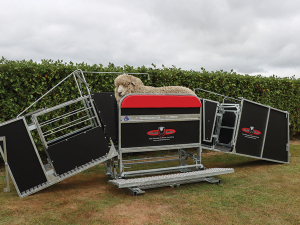
Oamaru-based livestock handling specialist Te Pari has bought Combi Clamp, the New Zealand manufacturer of Combi Clamp manual sheep handlers.
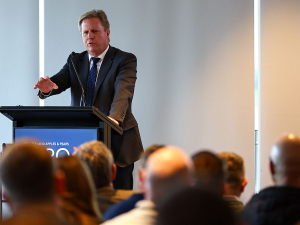
Agriculture Minister Todd McClay has admitted that a scheme bringing workers from Pacific nations to work on orchards has become too hard to navigate but says changes are coming.
A new app designed in New Zealand aims to help sheep, beef and deer farmers capture, analyse and use body condition score data more effectively.
Canterbury farmer Andy Macfarlane has been appointed to the board of AgriZeroNZ, the public-private partnership designed to accelerate the development and deployment of emissions reduction tools for New Zealand farmers.
For over 50 years Mel Ewers has been supporting the apple sector navigate through compliance and quality assurance issues.
The apple sector is enjoying a bumper harvest season.

OPINION: City and regional councils have been put on notice - stop using extreme climate forecasting scenarios that can drive…
OPINION: The Green Party’s rivers and oceans policy may have a new name but nothing else has changed.