
NZ Apple Sector Pushes for Japan & Korea Market Access
The apple sector is working with the Government to unlock access to two key markets that could bring millions in revenue for apple growers.



 increase font size
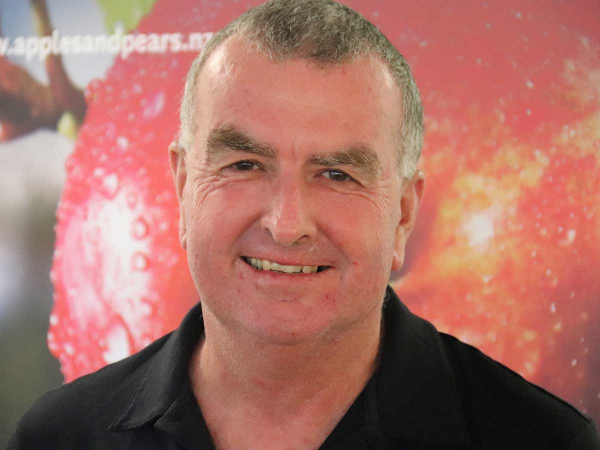 Alan Pollard.
The importance of continuing to export cannot be underestimated, says New Zealand Apples and Pears chief executive Alan Pollard.
The apple, pear and nashi crop harvest is well underway, with more than 14,000 workers harvesting around 600,000 tonnes of fruit.
This is destined for domestic and global consumers, and for processing.
While the priority is to provide fruit for New Zealanders, the importance of continuing to export cannot be underestimated.
“New Zealand exports a number of food products and imports a range of other essential goods” says Pollard. “If we continue to supply food to countries that import our food products, we are more likely to be looked after when we need essential goods such as medicines.”
He says the industry understands its privileged position, particularly when other businesses cannot operate.
“In being able to continue to operate, we have three key priorities: the safety of our workers; the prevention of any spread of COVID-19 in our communities; and maintaining food security.”
Pollard says some aspects of current industry practice may be confusing for those not engaged in the industry.
“I am aware of concerns being expressed by some members of the public about the number of people who are sometimes being transported in industry vehicles. In the same way that the community has arranged itself into bubbles often representing family units, so too have our workers,” he told Rural News.
“So, when you see a group of people in a vehicle, they are most likely to be a group who live together, travel together and work together without leaving their bubble”.
Pollard says the industry has worked closely with government agencies to ensure that it complies with a number of regulator guidelines, including the Ministry of Health, Ministry for Primary Industries, Ministry of Business Innovation and Employment, and WorkSafe.
“The additional physical distancing and sanitisation protocols that we have put in place are independently audited by the authorities and that forms the basis of our right to remain operating,” adds Pollard
“We can assure the public that employers in the apple and pear industry are doing all they can to make their workplaces the safest they can be, whether that’s in the orchard, the packhouse or in support roles.”
The apple sector is working with the Government to unlock access to two key markets that could bring millions in revenue for apple growers.
For over 50 years Mel Ewers has been supporting the apple sector navigate through compliance and quality assurance issues.
New Zealand apple and pear industry stakeholders are out in force for the annual conference in Queenstown.
As we move into the late-summer and autumn period, much of the country’s fruit growing regions are entering operationally critical windows of the horticultural calendar. The question on grower’s minds is ‘what is the outlook for the March-April harvest?’
Hawke's Bay apple grower Taylor Corporation says a standout 2026 season, coming after a few difficult years, is boosting optimism among growers.


Entries opened on Monday, 5 October 2026 for the 2027 New Zealand Dairy Industry Awards (NZDIA), which organisers describe as the nation's biggest celebration of excellence in the dairy sector.
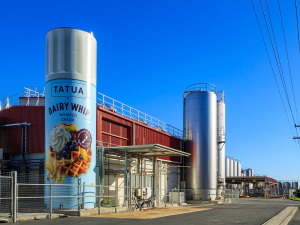
Waikato milk processor Tatua has again declared a record milk payout to farmer shareholders, leaving other processors in the dust.
A Labour-led Government won’t be bringing back the controversial freshwater rules of 2020.
National’s much-touted free trade deal with India featured in the Rural Issues Debate at Mystery Creek, Hamilton on Wednesday night.
New Zealand's 2026-27 freshwater fishing season has opened, with anglers encouraged to head to rivers and lakes over the coming days as conditions look favourable across much of the country.
Central Otago District Council (CODC) has voted against a plan to spread treated sewage sludge from Cromwell and Alexandra on farmland near Lauder, a decision Federated Farmers says reflects strong opposition from rural residents.


OPINION: The same mainstream media muppets that brought you Jacindamania in 2017 have been flat out pimping for the Opportunities…
OPINION: Your old mate reckons the atrocious way farmers in the UK are treated by their lords and masters in…




