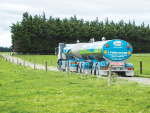
Fonterra FY26 Results: $9.69 Milk Price, $3.4bn Profit
Fonterra has unveiled its annual results for the 2026 financial year, posting $27 billion in revenue and close to $20 billion returned to New Zealand farmer owners and unit holders.




 increase font size
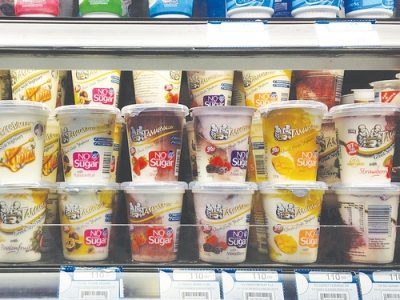 Fonterra has sold its Tamar Valley yoghurt range in Australia.
Fonterra's revamp of its struggling Australian business continues with the impending sale of yoghurt and dairy desserts range.
Last month the co-op signed a sale agreement with Parmalat Australia; regulatory approvals are expected by June this year.
The sale of the Australian yoghurt and dairy desserts business, which includes manufacturing sites at Tamar Valley and Echuca, and the Australian yoghurt and dairy dessert brands, is part of a plan to return Fonterra's Australian business to strong and sustainable profitability, it says.
In its 2015 annual report Fonterra said that lower returns from Australian dairy desserts and yoghurt units had affected volume growth in its consumer and food service business.
However, Tamar Valley yoghurt sales were up 62% last year. Fonterra bought Tasmania-based Tamar Valley in November 2013.
Fonterra managing director Oceania Judith Swales says the co-op is committed to the Australian dairy industry and its retail business, and the sale is intended to lock in its competitive position in the Australian consumer market.
"We will continue investing in programs and innovation that support our market-leading brands in key retail categories, including Western Star butter and Perfect Italiano, Mainland and Bega cheeses, Anchor cream and fresh milk.
"Divesting the yoghurt and dairy desserts business will allow us to focus on what we do best, so we can continue [paying] a competitive milk price to our suppliers, benefits to our customers, innovative dairy foods to our consumers and improved returns to our farmer shareholders and unit holders," says Swales.
All Fonterra's Echuca and Tamar Valley employees in the yoghurt and dairy dessert business have received offers of employment from Parmalat.
Fonterra recently announced other major changes to turn around its ailing Australian business.
It is spending A$120 million to rebuild its factory in Stanhope, northern Victoria, as a primary cheese making plant with 50% extra capacity. The co-op sold 9% of its holding in Bega Cheese and will spend the cash on the Stanhope cheese plant.
It also announced plans with Bellamy's Australia Ltd and China's Beingmate Baby and Child Food Company Ltd that offer growth prospects in nutritional volume from Fonterra Australia.
A multi-million dollar beverages plant was commissioned at its Cobden facility in western Victoria to service a 10 year partnership with Woolworths and its largest global brand, Anchor, was launched in Australia.
Chief executive Theo Spierings says these changes result from a plan to get better retruns from the Australian business.
"We are focusing on areas where we can win in a highly competitive market, and that means optimising our product mix and streamlining operations to match, and investing in higher value-add products that will deliver the best returns for our farmer shareholders and unit holders.
"Australia is our largest milk pool outside New Zealand, and is an integral part of our multi-hub strategy. Our Australian operations have particular ingredient strengths in cheese, whey and nutritionals, complemented by our strong consumer and foodservice businesses. As a key part of our multi-hub strategy, we are matching these strengths with the opportunities across our 100 markets," says Spierings.
Fonterra has unveiled its annual results for the 2026 financial year, posting $27 billion in revenue and close to $20 billion returned to New Zealand farmer owners and unit holders.

Fonterra Co-operative Group has confirmed the independently assessed candidates standing for election to its board in 2026.
Fonterra has revised its Farmgate Milk Price forecast for the 2026/27 season, lifting the midpoint and narrowing the range on the back of improving global dairy commodity prices.
Outgoing Fonterra Co-operative Council chair John Stevenson says that it has been a privilege to represent the co-op's farmer shareholders.
OPINION: It seems Canterbury processor Synlait is still in the doldrums.


Federated Farmers says it welcomes Labour's commitment to reviewing the Sharemilking Agreements Act, calling on other major parties to do the same.
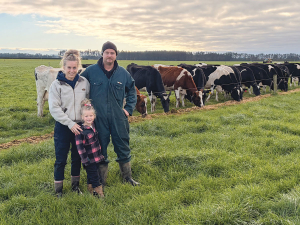
For Canterbury dairy farmers Sian Meijer and Rick Wobben, wearable technology has become one of their most valuable on-farm tools - helping manage 1850 cows across an expansive, high-performing dairy operation while improving efficiency, mating outcomes and day-to-day decision making.
Fonterra has unveiled its annual results for the 2026 financial year, posting $27 billion in revenue and close to $20 billion returned to New Zealand farmer owners and unit holders.
The first major update to the Dairy Cattle Code of Welfare in more than a decade has been released, marking what DairyNZ describes as an important step in ensuring animal welfare standards continue to evolve alongside scientific evidence and on-farm realities.
Ravensdown shareholders have elected Jane Montgomery and Kate Acland to the Ravensdown Board for three-year terms, following a closely contested director election.
Federated Farmers says new legislation replacing the Resource Management Act will cut red tape, unlock investment and help grow New Zealand's export-led economy, after the Planning Bill and Natural Environment Bill passed their third reading in Parliament yesterday.




OPINION: The same mainstream media muppets that brought you Jacindamania in 2017 have been flat out pimping for the Opportunities…
OPINION: Your old mate reckons the atrocious way farmers in the UK are treated by their lords and masters in…




