A programme to lift the productivity of Māori-owned land around the northern Hawke's Bay town of Wairoa has been given an additional $440,000 by the Government.
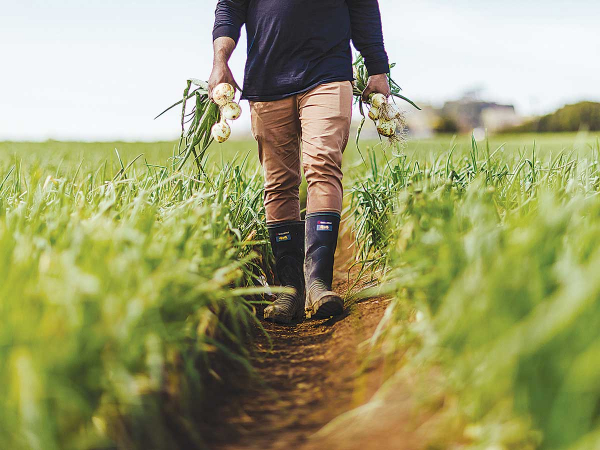
The money from the Ministry for Primary Industries (MPI) is to be used by the Wairoa Horticultural Hub to convert mostly Māori-owned land into high-value horticultural crops - mainly apples. The Hub has already received $875,000 from the Provincial Growth Fund and a loan of $1.4 million to develop the project. It has also been supported by the Hawke's Bay Regional Council and the local Wairoa Council.
The Hub is being coordinated by Tatau Tauta o te Wairoa trust. Its chairman Leon Symes told Rural News that the potential growth for horticulture in the region is huge.
He says until recently the main employer in the town was the meat works, but by developing horticulture it will manage risk better and provide incentives for people to come back to Wairoa and work.
Symes says the role of his trust is to act as the broker to help Māori entities who own land, much of which is running sheep and beef, to look at the opportunities that horticulture offers and get their operations underway.
"At present, only 225 hectares in the district are used for horticulture. Our ultimate goal is to increase this to 900 hectares," he says.
One property, owned by the Māori-owned Ohuia Incorporation is already on board and growing apples on its 18 hectare block, which is seen as a model that other Māori entities can emulate.
Symes says they want to get ahead of the curve and, as well as generating better returns on the land, they also want to focus on environmental outcomes and avoid any pollution of waterways. He says they want to go beyond just growing apples and develop post-harvest facilities such as packhouses.
Agriculture Minister Damien O’Connor claims the Government investment will enable landowners to get on-the-ground support to identify suitable parcels of land to be sustainably developed into horticulture.
“It’s part of a long-term vision to harness the full benefits of the Wairoa district’s soils, water and climate which has the capacity to become a premier horticulture region,” he says.
“A key driver for the Wairoa project is to convert enough land to justify the establishment of post-harvest cool store and processing facilities.”
O’Connor says the project will not only provide much-needed employment opportunities, but also increase social and economic outcomes for the whole Wairoa district.
It’s anticipated the trees will start producing fruit within three years and reach full production in five to seven years.